

Bicycle Tubes
Ontrack was created in 2009 with firmly committed to the progression of more people riding bicycles by engineering and producing quality, long-lasting bicycle tires that are attainable by the masses.
Ontrack Dedicated to the needs of professional riders and commuters of the world, the value-focused Ontrack brand is driven to provide tires that any and every rider can depend upon.
Why Choose Us?
High quality
Our products are manufactured or executed to very high standards, using the finest materials and manufacturing processes.
Competitive Price
We offering a higher-quality product or service at an equivalent price. As a result we have a growing and loyal customer base.
Rich experience
Our company has many years of production work experience. The concept of customer-oriented and win-win cooperation makes the company more mature and stronger.
After-sale service
Professional and thoughtful after -sales team, let you worry about us after -sales Intimate service, strong after -sales team support.
-
 Bicycle Butyl TubeOptimal air retention performance, anti-freezing, heat-resisting. All butyl rubber made, excellent tensile elongation performance. 0.90MM thickness. 0.90mm in thickness. Lightweight and durableAdd to Inquiry
 -
 26 Inch Bicycle Inner TubeONTRACK butyl bicycle tubes are made of high butyl rubber material, reinforced dual thickness tube/valve interface to prevent punctures better air tightness, heat resistance, and great value.. 26Add to Inquiry
 -
 27.5 Bicycle TubeA 27.5 bicycle tube is a crucial component of the inner tire system designed specifically for bicycles with 27.5-inch diameter wheels. It serves as the inflatable structure that holds air, enablingAdd to Inquiry
 -
 29 Inch Bicycle Inner TubesONTRACK 29 inch bicycle inner tubes are made with high-quality materials that are resistant to punctures, abrasions, and tears. The larger size reduces rolling resistance by providing a wider contactAdd to Inquiry
 -
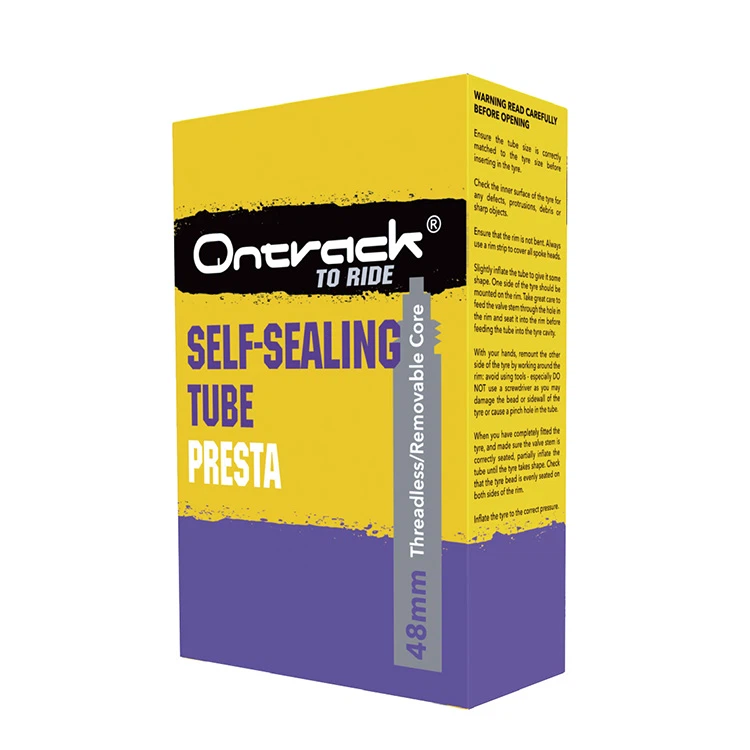
 Self Sealing Bicycle Inner Tubes0.9MM. 0.9mm in thickness. Very high-quality inner tubes prefilled with sealant, which prevents flats by instantly sealing punctures in the tread area of the tire. Enjoy your no-worry trip!.Add to Inquiry
 -
 Extra Strong Self-Sealing Bicycle TubeUltra-strong self-sealing bicycle inner tubes are made from premium materials for superior durability and strength while remaining lightweight and flexible. With its self-sealing technology, thisAdd to Inquiry
 -
 Super Thick Self-Sealing Bicycle TubesSuper thick self-sealing bicycle tubes are bicycle tubes designed to be extremely durable and reliable. Made from high-quality materials, these tubes can withstand the roughest terrain and harshestAdd to Inquiry
 -
 Super Lite Bicycle Inner TubeSuper lite bicycle inner tube is an excellent piece of cycling equipment that has been designed with the modern cyclist in mind. It is an ultra-lightweight inner tube that has been engineered withAdd to Inquiry
 -
 Lightweight Bicycle TubesLightweight bicycle tubes are significantly lighter than traditional tubes, improving overall performance and speed. Cyclists can travel further and faster with less effort, making for a moreAdd to Inquiry
 -
 Heavy Duty Bicycle Inner TubesHeavy-duty bicycle inner tubes are designed to withstand the wear and tear of rough terrain, sharp objects, and high pressures. They can resist punctures and tears. Ride confidently on rocky terrainAdd to Inquiry
 -
 Extra Thick Bicycle Inner TubesExtra-thick bicycle inner tubes are one of the latest innovations in the bicycle industry and are widely welcomed by cycling enthusiasts. These tubes are designed to be stronger and more flexibleAdd to Inquiry
 -
 TPU Bicycle Inner TubesTPU standing for Thermoplastic Polyurethane, a flexible plastic with an inherently low weight. The highly elastic TPU bicycle tubes raise performance to levels previously unreached with either butylAdd to Inquiry


- Email: info@ontrackcn.com
- Add:Building 24, No. 19 Haiwan Avenue, Xitangqiao Street, Haiyan County, Jiaxing City, Zhejiang Province, China
What is Bicycle Tubes?
An inner tube is an inflatable torus that forms the interior of some pneumatic tires. The tube is inflated with a valve stem, and fits inside of the casing of the tire. The inflated inner tube provides structural support and suspension, while the outer tire provides grip and protects the more fragile tube.
Benefits of Bicycle Tubes
Shock absorption
Bicycle tubes help absorb shocks and vibrations from the road surface, providing a smoother ride and reducing fatigue for the rider. This is particularly beneficial on rough terrains or when cycling over bumps and obstacles.
Repairable
If a tube gets punctured, it can often be repaired with a patch kit, extending its life and saving money on replacements. This repairability also makes tubes a practical choice for long rides or tours where a spare tire might not be feasible to carry.
Weight distribution
Tubes allow the tire to deform and conform to the terrain, which helps distribute the weight of the bike and the rider more evenly. This can improve traction and stability, especially in wet or slippery conditions.
Versatility
Tubes are compatible with a wide variety of tire designs and sizes, making them a versatile choice for different types of bicycles and cycling conditions, from road bikes to mountain bikes.
Standard inner tubes
These are the most common and widely used inner tubes, typically made from butyl rubber. Standard inner tubes are known for their durability, affordability, and ease of use. They are suitable for a wide range of riding conditions, from casual commuting to moderate off-road adventures. Standard inner tubes are available in various sizes and valve types, making them a versatile choice for most cyclists.
Self-sealing inner tubes
Also known as puncture-resistant or slime tubes, self-sealing inner tubes are designed to automatically seal small punctures and prevent air loss. These inner tubes are filled with a sealant that quickly plugs holes caused by thorns, glass, or other sharp objects. Self-sealing inner tubes are ideal for cyclists who frequently ride on rough or debris-laden surfaces, offering added peace of mind and reducing the risk of flats.
Latex inner tubes
Made from natural latex rubber, these inner tubes are favored by performance-oriented cyclists for their lightweight and supple characteristics. Latex inner tubes offer lower rolling resistance and a smoother ride compared to butyl rubber tubes. However, they are more prone to air loss and require more frequent inflation. Latex inner tubes are often used in racing and competitive cycling where every advantage counts.
Tubeless inner tubes
While technically not inner tubes, tubeless systems are worth mentioning. Tubeless tires do not require an inner tube; instead, they rely on an airtight seal between the tire and the rim. This setup allows for lower tire pressures, reducing the risk of pinch flats and improving traction. Tubeless systems are popular among mountain bikers and increasingly among road cyclists seeking enhanced performance and reliability.
Material of Bicycle Tubes
Butyl
Most tubes are made of butyl rubber. It is very elastic and holds air well. The weight of the tubes however, changes drastically depending on its application and tyre size. The tubes themselves have little effect on rolling resistance, but the more flexible it is, the better. The majority of tube manufactures use butyl rubber.
Latex
Most latex tubes are lighter than butyl versions. They also offer a high level of puncture protection from snake bites and foreign bodies. This is due to the talcum powder on the outside of the latex tubes. The powder prevents the tube from sticking to the tyre, allowing it to deform when poked. When mounting latex tubes, I recommend adding a little more talcum powder to ensure they don’t stick longer. Their high level of flexibility lowers the rolling resistance as well. Latex tubes cannot come into contact with oil or grease and should be kept out of direct sunlight and away from higher temperatures. The biggest disadvantage to latex is quick air loss, which means that tube pressure needs to be checked before every ride.
Thermoplastic
The third, relatively unknown, material tubes are made of is thermoplastic. The biggest difference to latex and butyl tubes is that they are made from a composite material instead of rubber. Thermoplastic tubes are more elastic and durable than other tube materials and offer the best level of puncture protection.

How to Choose a Bike Tube
Look at the sidewall of your tire for size markings
Most of the tires have a stamped or etched in size so you know exactly which size tire you have. So there's two number sets that you really need to look at. One number means the diameter of the tire and the other number means the width of the tire. Depending on the brand of your tire you might see these in metric or in imperial numbers.
Now find the exact bike tube size you need
Now that you know the number we can search for the exact size tube for your bike. So tubes come in a range rather than an exact specification. So for example: If your bike is a 27.5 inch diameter tire by 2.75, you can find a tube that is ranging between 2.0 and 3.0 that'll fit that tire.
The other number you want to note is the diameter of the tire. So the diameter of your tire simply needs to be matched up with the tube. For example, a 700c tire can match up with a 700c tube. And a 27.5 inch tire, also known as 650b, matches up with the 27.5 inch tube. If you want another point of reference check out the ISO numbers--or the international standard numbers--and match that up to your tube.
Don't forget to check the valve type
The last thing you want to note is the type of valve that's already installed on the tube that you're replacing. Presta valves are skinnier and have a lockable valve whereas Schrader valves look like what comes on your car. Then measure the length of the valve on the tube that you're replacing make sure that the new tube has a valve of that exact same length.
What Are the Differences Between Latex and Butyl Rubber Tubes?
Latex rubber tubes offer slightly enhanced handling characteristics - because latex rubber is slightly more flexible than traditional butyl rubber, the tubes adapt quickly to the tyres changing shape while cornering and on impacts. Latex tubes gene
If you’ve got deep section, aerodynamic rims, you’ll need a longer valve so there’s enough protruding from the rim to attach a pump to.
There’s no standard as to how much longer a valve will need to be, but 60-80mm valves will work for more aero wheels. For comparison, a standard valve tends to be around 40mm.
If your rims are really, really deep you’ll need to get a valve extender. These little widgets screw onto the end of a normal valve to add extra length, but can be fiddly to use.
Make sure that you’ve got the right length valve to suit your wheel depth to avoid getting stranded.
How To Change A Bike Inner Tube
Here is a quick rundown on how to replace an inner tube in three easy steps:
What you'll need: (1) screwdriver; (1) wrench; new bike tube(s); (1) bike pump
Remove the wheel
The first thing you'll need to do is disassemble the wheel from the bike frame. To do this, start by laying the bike down on its side. If you're wanting to remove the front wheel, simply use a wrench to loosen the bolts on either side of the tire and take it right off.
If you're removing the back wheel, you'll first need to take off the chain before messing with the wheel. Loosen the bolts on either side of the tire as you did with the front, and then start moving the pedals slowly forward. As they move, you can pull the chain off. Once you've completed this task the wheel is ready to come off.
Removing the old tube
The next step in the process of replacing your inner tube is to take out the old one. To do this, you'll first need to take off the cap from the valve -- or nozzle -- where you inflate the tire.
Next, take a screwdriver or some kind of lever and wedge it between the tire and the wheel. On one side of the wheel, go around in a circle with the lever and pry it off from the rim. You won't need to take the whole tire off; you'll only enough to be able to expose the bike tube.
Once the tube is revealed completely, pull it out. Check the tube to find out its exact dimensions so that you know which tube to get to replace it.
Inserting the new tube
The first thing to do when putting the new tube in is to place the valve inside the rim. Next, start inserting the rest of the tube. Once you've got about 60 percent of the tube in, you can pump it up a little bit to make it easier for the rest of the way.
When the tube is all the way in, safe and secure, start tucking the tire back into the rim how it was before. The very last part of the tire will be tough to get back on, so use the lever or screwdriver to push it back in. Be careful here, as it is easy to puncture the new tube if you aren't paying attention.
Lastly, get the bike pump and inflate the tire up to your desired level and then screw the cap back on over the valve.
How to Patch a Bike Tube
Here are the typical steps for patching a tire tube
Grab your supplies
At a minimum, that's a patch kit and tire levers for removing the tube from the tire.
01
Find the leak
Closely check the tube; tiny holes require detective work or submersion in water to locate.
02
Decide whether to repair or replace
Severely damaged tubes can't be saved.
03
Clean, dry and rough up the surface area where the patch will be
It helps the adhesive stick.
04
Spread the glue and apply the patch
Once the glue is tacky, press the patch down, holding it firmly in place.
05
Understanding Bike Tube Sizes
The first step in buying a bike tube is to understand the sizing system. Tubes come in different diameters and widths to fit various tire sizes. The two most common sizing standards are the ISO (International Organization for Standardization) and the French sizing systems.
For example using a common road bike sizing, the ISO system uses two numbers, such as 700x25c, where 700 refers to the diameter in millimeters, and 25c represents the width. French sizing uses three numbers, such as 700x25-32, indicating the diameter range (700) and the width range (25-32mm), meaning the tube will fit a tire width between 25 and 32mm. This is similar for mountain bike tires however they are generally measures in inches, for example common wheel diameters are 29" and 27.5" so would display something like; 29x1.90-2.35 or 27.5x1.90-2.35To ensure compatibility, check your tire's sidewall for the correct size information.
It is also important to purchase tubes with valves that are compatible with your bike pump.
Common Causes of Tube Failures
1.A single puncture or small hole is commonly from a thorn, wire, or small nail. These may be repairable. Check tire as well for thorn, etc. and remove it.
2.Double slits are commonly the result of a rim pinch. The tube was pinched between the rim and an object in road/trail. Increase air pressure or use wider tires.
3.Blowout causing a large shredded hole. These are usually not repairable. Check tire and rim as well for damage.
4.A long cut or rip may also indicate a tire blow out. Typically this is not repairable. Use care when seating tire during installation.
5.Hole on inside edge of tube indicates a problem inside the rim, such as from rim strip failure, a protruding spoke or other sharp object inside the rim.
6.Cut at valve core, commonly from misalignment of tube in rim or riding with low pressure. Be sure tube is mounted straight in rim and check pressure before rides.
7.Leaky valve core. Tighten with a valve core tool such as the VC-1. More common with Schrader type valves, but also possible on some Presta valves.
Ontrack was created in 2009 with firmly committed to the progression of more people riding bicycles by engineering and producing quality, long-lasting bicycle tires that are attainable by the masses.



FAQ
As one of the most professional bicycle tubes manufacturers and suppliers in China, we're featured by quality products and competitive price. Please rest assured to wholesale the best bicycle tubes for sale here from our factory.
