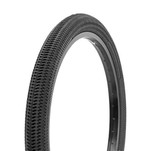
Ontrack was created in 2009 with firmly committed to the progression of more people riding bicycles by engineering and producing quality, long-lasting bicycle tires that are attainable by the masses.
Ontrack Dedicated to the needs of professional riders and commuters of the world, the value-focused Ontrack brand is driven to provide tires that any and every rider can depend upon.
Why Choose Us?
High quality
Our products are manufactured or executed to very high standards, using the finest materials and manufacturing processes.
Competitive Price
We offering a higher-quality product or service at an equivalent price. As a result we have a growing and loyal customer base.
Rich experience
Our company has many years of production work experience. The concept of customer-oriented and win-win cooperation makes the company more mature and stronger.
After-sale service
Professional and thoughtful after -sales team, let you worry about us after -sales Intimate service, strong after -sales team support.
What is Gravel Bicycle Tires X-PACK?
Gravel tires are unique. They can't be classified as knobby mountain bike tires, nor are they anything like classic road bike tires. They're somewhere in between, catering to unique demands and having their own characteristic features. There is a wide variety of tire dimensions, treads, and even rubber compounds.
Benefits of Gravel Bicycle Tires X-PACK
Enhanced stability and control
One of the main benefits of specific wheels for gravel cycling is enhanced stability and control. Gravel roads can be unpredictable and bumpy, making it challenging to maintain balance and control. However, specific wheels designed for this type of terrain have wider rims which can handle wider tires, providing a larger contact patch with the surface. This results in increased stability and control allowing riders a smoother ride through gravel and other unpaved roads.
Increased traction
Another advantage of specific wheels for gravel cycling is increased traction. Gravel roads can be slippery and unpredictable, and the right wheels can make a significant difference in how well you can grip the road. Mounting wider tires on gravel wheels provide more surface area resulting in better traction, even on loose gravel.
More comfortable ride
Gravel roads can be rough and uncomfortable, but specific wheels designed for this type of terrain provide a more comfortable ride. The wider rims with wider tires will absorb shock and vibration, reducing the impact on the rider's body. This results in a smoother ride, allowing you to enjoy your adventure without feeling every bump and jolt.
Better durability
Gravel roads can be harsh on wheels, causing wear and tear over time. However, specific wheels for graveling are built to withstand the rough terrain making them more durable than regular road bike wheels. This means you can ride longer and harder without worrying about damaging your wheels.
Slicks
Tires with minimal or no tread. They offer the least rolling resistance, hence are the fastest, but provide minimal grip. Ideal for beach riding and dry, hard-packed gravel. Not recommended for mountainous terrain.
Small knob tires
These feature a modest knob pattern, making them a versatile choice for various terrains. They roll reasonably well on asphalt and offer more grip than slicks, though not significantly.
Hybrid: Flat center with side knobs
These tires feature a nearly flat tread, similar to slicks, but are equipped with side knobs. Primarily designed for Type C riders, they are also effective in gravel races with substantial asphalt or hardpack surfaces and minimal mud. The catch is that these tires require aggressive riding to gain traction, as grip is optimal when the bike is leaned into turns. Consequently, they are recommended for more experienced cyclists.
Hybrid: Light tread with side knobs
Similar to the above, but with small knobs on the tread for added grip. This slight modification results in a minor reduction in speed but significantly enhances traction. More forgiving than the flat tread variant, these tires are beginner-friendly and better suited for technical terrains. While they offer improved performance over slicks in muddy conditions, they are not ideal for deep mud.
Larger knobs
These tires are designed for tougher terrains and are ideal for Type A riders. Their construction is akin to mountain bike tires but slightly narrower. While they offer maximum grip, they also have the highest rolling resistance, making them perfect for riders who prioritize safety over speed. They are particularly suitable for beginners or those frequently riding in mud or snow. For these tire types, it's advisable to opt for the widest possible size to mitigate speed loss. Consider pairing a larger knobbed tire in the front with a faster tire in the rear to optimize performance.
Bead
The tire bead is a part that holds the tire onto the rim. The tire bead is only found in clincher tires and tubeless tires. A tire bead is usually made of either wire or kevlar material. For a bike with more cost-friendly, people will often choose wire material while kevlar is the option for those who want premium quality tires can go for kevlar beads. The clincher tire that comes with kevlar beads is often referred to as a folding tire.
Casing
The foundation of a bike tire that connects the bead lies on the casing. Not only connecting, but this part also provides enough resistance from stretch to keep the air in while conforming to the ground surface. Usually, a casing is built with either nylon, silk, or cotton material and measured in TPI or Threads per Inch.
Tires with lower TPI will provide good puncture protection but do not have excellent rolling resistance. On the other hand, tires with higher TPI provide supple riding and good rolling resistance but are prone to have reduced puncture protection.
Puncture protection
Some tires manufacturers will feature more rubber and increase the thickness of the tread and some others might use specific compounds to enhance tire resilience. All this activity is to improve the tire's resistance to puncture while keeping the tire stay lightweight despite being puncture-proof.
Sidewall
Part of the casing except it doesn't intend to touch the ground hence, it becomes the thinnest part among all other sections of tire anatomy. This part contains all the information about the bike's tire that you need such as the recommended tire pressure, the tire width, and the wheel size.
Tread
Part of the tire that contacts the ground.
It's a good idea to periodically inspect your bike tires for embedded glass, rock shards or other sharp objects, especially after riding a route that has substantial debris. These small embedded items may not cause an immediate flat but can slowly work their way through a tire to eventually cause a puncture. Use your fingernail or a small tool to remove this debris before it causes a problem.
Periodically check your tire sidewalls and tread for excessive wear, damage, dryness or cracking. Tires with any of these symptoms increase your risk for a flat tire. If unsure about their condition, ask a bike pro at your local REI or other reputable bike shop to evaluate your tires.

How to Check Your Gravel Bike Tire Pressure
Checking your tire pressure is an essential part of maintaining your gravel bike's performance and safety. Here's how to check your tire pressure:
Get a tire pressure gauge. There are many types of gauges available, including digital, analog, and dial gauges. Some pumps even have a built-in gauge.
Use the methods listed above to find your ideal pressure. Remember, the pressure will vary from ride to ride depending on the conditions and the surface, and on how fast you plan to ride.
Use the gauge to measure the pressure: Remove the cap from the valve stem and press the gauge onto the valve stem. You should hear a hissing sound as air escapes from the tire and enters the gauge. Once the gauge has stopped moving, take a reading.
Adjust the pressure as needed: If the pressure is too high or too low, use a pump with a pressure gauge to add or remove air until the pressure matches your target pressure.
The perfect gravel tire checks all the boxes when it comes to tire width, tread pattern, and casing. These factors help optimize a tire for specific terrain, whether it's light gravel, hardpack dirt, or chunky backcountry routes.
1. Gravel bike tire size
Gravel riders choose either 700c or 650b tires to match the wheel size they're running. If your bike frame only accommodates one of those wheel sizes, this decision is already made for you. However, many modern gravel bikes work with either standard so riders can easily swap between wheelsets.
2. Tubeless gravel bike tires
Tubeless tires have taken over as the preferred setup for cyclists who ride off pavement. Almost all bike tires for gravel are tubeless-ready so riders can easily make the swap from standard tires with inner tubes.
Tubeless tires reduce weight and can be run at lower pressures for more grip and cushion in rugged terrain. In case of a puncture, the tubeless sealant automatically stops the leak so you can keep on rolling without interruption. Riders can carry small tire plugs to repair a tire with a puncture too large to be effectively sealed by the sealant.
Still, some riders may reach for standard tubed tires when tools are limited and sealant refills aren't an option. It can be a more straightforward fix to simply pop a new inner tube into the tire during remote expeditions or backcountry trips. In most situations, however, tubeless tires are what you'll want to use.
3. Gravel bike tire width
Our recommendation is to simply choose the widest tire that your bike frame will accept. More often than not, the traction and comfort gains from wider rubber outweigh the gram savings from narrower gravel tires.
Narrow vs. wide tires
Going beyond 32mm wide means you're entering gravel bike tire territory- most gravel bikes are designed to perform at their best with tires between 38-45mm wide. Some modern bikes even have clearance to run 50mm gravel tires.
The argument for narrower gravel bike tires is that the reduced rotational weight can help with climbing and accelerations. If you want a lightweight setup that still rolls fast on smoother terrain, the narrower 35-38mm range will be your sweet spot.
Tire width is a common talking point before gravel races and, in a game of mere millimeters, it can make a big difference for the pros who need to get these specs just right. For most riders, however, the comfort and traction from wide tires are more important than pure pace.
4. Gravel bike tire tread
Tire tread is where you can truly customize your gravel setup based on the terrain. Tire manufacturers put their creativity on full display with tread patterns running the gamut from smooth slicks to dense knobs. Different treads have certain strengths and weaknesses so having the right match is key to getting the most out of your ride. Picking the wrong tread pattern won't be the end of the world, but may limit grip in dicier conditions.
5. Gravel bike tire casing
Gravel bike tire casing is all about finding the right balance between durability and performance. Tire casing refers to the woven layers of material that make up the actual tire which can be tuned to deliver certain ride qualities. Gravel tires are available in a variety of casing options, including lightweight, standard, and plus-rated tires with puncture protection.
Supple, lightweight casing
A high TPI (threads per inch) indicates a supple and comfortable tire, but it may not be as durable as other tires. The weight savings here can also help in races and increase efficiency on smoother roads. If you typically ride on lighter gravel with plenty of time on paved surfaces, you can get away with running a lightweight, super supple tire.
Standard casing
Durability is especially important in gravel biking where tires receive a constant beating from small rocks and jagged surfaces. Tire brands often make tires available in a range of casings with the standard model providing all-rounder performance that's plenty durable with a comfortable ride feel. This casing sweet spot lets you ride tons of terrains without having to worry about swapping tires every time.
Casing with puncture protection
Many gravel tires come with an extra layer of puncture protection within the casing. The tough, puncture-resistant fabric reduces the chance of a flat when riding over especially chunky or sharp terrain. These tires will typically have the term "plus" in their name and do come with a weight penalty, often weighing around 30g to 60g more per tire. That trade-off is worth it if you frequently ride over sharp, rocky gravel or want to do your best to avoid flats during a race.
Obviously, a gravel bike will have wider tires: from 30 to 47mm. This much wider range actually reflects the various ways of practicing gravel biking. (In road cycling, the practice is the same for everyone, so the differences are much less significant.)
Nevertheless, there's an average width of 38 to 42mm for gravel bike tires.
Narrower sections are suitable for those who occasionally ride on trails or for those who are very skilled on challenging paths and want to experience something close to cyclo-cross.
Beyond 42mm, it's very comfortable, perfect for long trips or bikepacking, or on the other hand, for those looking for an experience similar to mountain biking.
How Do You Measure Bicycle Tire Size?
Bike tires are typically measured in two dimensions- diameter and width. The diameter measurement is an approximation of the tire's total outside diameter including treads, and the width is a measurement of the approximate total width of the tire when mounted and inflated. For mountain bike tires these dimensions are expressed in inches, while a millimeter-based system called French sizing is used for road, gravel, and track. For example, a 29 x 2.25 mountain bike tire is about 29" in diameter and about 2.25" wide, while a 700c x 25 road tire is approximately 700mm in diameter and 25mm wide.
This makes it pretty straightforward to fit a modern tire to a modern rim-a 700c tire will almost definitely fit a 700c road rim (we'll explain that "c" later), and a 29" tire will likely fit a 29" mountain bike rim. But some obsolete or unusual sizes can be misleadingly labeled, and any tire's nominal measurements (especially width) are really just approximations. Rim width and tire pressure can significantly influence the size of a tire when mounted and inflated, and tires often measure a bit larger or smaller when installed than the printed dimension would suggest.
To reduce confusion, most tires are also labeled with a second system of measurements called ISO (formerly known as ETRTO). The ISO measurement displays the tire's nominal width in millimeters, followed by the diameter of the tire's bead (the surface that actually attaches to the rim) in millimeters (ex: 25 x 622 is a common road tire). This measurement can help resolve any ambiguity about whether a tire will fit a particular rim, but as with other systems, the ISO measurement of a tire's width is an approximation and may be impacted by pressure and rim width.
Road Vs. Gravel Bike Tire Clearance
The main consideration, if you're planning to swap gravel tires onto your road bike, is tire clearance. Most road bikes can only fit tires in the 25-32mm range (versus 40-45mm for gravel bikes). Before buying tires, look up the maximum tire clearance for your bike. This will narrow down your tire options. If you choose the widest tires your bike can fit, you can run the lowest tire pressures possible, which will increase your comfort and traction on gravel.
If your bike doesn't have a listed maximum tire width, the ISO standard is to have at least 6mm of clearance between your tire and any part of the frame. Daring riders will push this to around 4mm and get away with it, but be wary. If you go too wide, the tire will rub your frame. Mud, dirt, and debris can also get caught between the tire and frame and cause damage.
Ontrack was created in 2009 with firmly committed to the progression of more people riding bicycles by engineering and producing quality, long-lasting bicycle tires that are attainable by the masses.



FAQ
Hot Tags: gravel bicycle tires x-pack, China gravel bicycle tires x-pack manufacturers, suppliers, factory, tpu bicycle inner tubes, mtb bicycle tyres, e bike tires lightning, self sealing bicycle tubes, city bicycle tires scorcher, mtb bicycle tires cutlass