When it comes to equipping your bike with the right inner tubes, you've got a bunch of options out there. But the big question on many cyclists' minds is: Are butyl bicycle tubes better than other types? As a supplier of butyl bicycle tubes, I've got some insights to share that'll hopefully clear things up for you.
First off, let's talk about what butyl is. Butyl rubber is a synthetic rubber that's been around for a while. It's used in all sorts of applications, and one of its sweet spots is making bicycle inner tubes. The main reason butyl tubes are so popular is their air - retention properties. Unlike some other types of tubes, butyl rubber has a really low permeability to air. That means once you pump up your tire, the air stays in there for a long time. You won't have to worry about constantly checking your tire pressure and topping it off every few days. If you're someone who's busy and doesn't have a lot of time to mess around with bike maintenance, this is a huge plus.
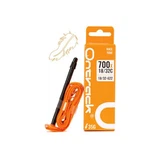
Take a look at our Bicycle Butyl Tube. It's designed to hold air like a champ. Whether you're using it for a casual weekend ride or a long - distance cycling adventure, you can count on it to keep your tires properly inflated.
Another great thing about butyl tubes is their durability. They're resistant to a lot of the common wear and tear that inner tubes face. For example, they can handle a fair amount of abrasion. When your bike is moving, the tube rubs against the inside of the tire and the rim. Butyl tubes can withstand this friction without getting damaged easily. They're also less likely to develop small leaks due to minor impacts. If you hit a pothole or a sharp rock on the road, a butyl tube has a better chance of staying intact compared to some other types.


Now, let's compare butyl tubes with latex tubes. Latex tubes are known for being super light and having a really smooth ride. They offer better shock absorption and can make your bike feel more responsive. However, they come with some drawbacks. Latex tubes have a much higher air permeability than butyl tubes. That means you'll have to inflate them more often. Also, they're more delicate. They can be easily punctured by small objects on the road, like thorns or glass shards. If you're riding in an area with a lot of debris on the ground, a latex tube might not be the best choice.
On the other hand, butyl tubes are a more practical option for everyday use. They're tough and reliable. You can use them on all types of bikes, whether it's a mountain bike, a road bike, or a city commuter.
We also offer specific sizes to meet different needs. Check out our 26 Inch Bicycle Inner Tube and 29 Inch Bicycle Inner Tubes. These sizes are popular among cyclists, and our butyl tubes are made to fit them perfectly.
In terms of cost, butyl tubes are generally more affordable than latex tubes. If you're on a budget or just starting out with cycling, butyl tubes are a great way to go. You can get a high - quality butyl tube without breaking the bank. And since they last longer and require less maintenance, you'll actually save money in the long run.
Butyl tubes are also easier to repair. If you do get a flat, fixing a butyl tube is a relatively straightforward process. You can use a simple patch kit, and in most cases, you'll have your tube up and running again in no time. Latex tubes, on the other hand, are trickier to repair. They often require special glue and techniques, which can be a hassle if you're not experienced.
However, butyl tubes aren't perfect. They are heavier than latex tubes. If you're a competitive cyclist who's really focused on shaving off every last gram of weight from your bike, the extra weight of a butyl tube might be a concern. But for the average cyclist, the weight difference isn't going to make a huge impact on your ride.
When it comes to environmental impact, butyl rubber is a mixed bag. On one hand, it's a synthetic material, so it's not as eco - friendly as some natural rubber alternatives. But on the other hand, because butyl tubes last longer and need to be replaced less frequently, they actually generate less waste over time compared to some other types of tubes.
So, are butyl bicycle tubes better than other types? Well, it depends on your needs. If you're looking for a tube that's durable, holds air well, is affordable, and easy to repair, then butyl tubes are a great choice. They're perfect for everyday cycling, commuting, and even some light - duty off - road riding.
If you're interested in purchasing our high - quality butyl bicycle tubes, we'd love to have a chat with you. Whether you're a bike shop owner looking to stock up or an individual cyclist in need of a new tube, we can work with you to find the right solution. Reach out to us to start a discussion about your requirements and let's see how we can help you get the most out of your cycling experience.
References
- "The Complete Guide to Bicycle Inner Tubes" by Cycling World Magazine
- "Materials and Performance of Bicycle Tubes" - A research paper from the Institute of Cycling Technology