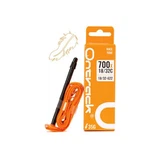
When it comes to equipping road bikes, cyclists often face a myriad of choices, and one crucial decision is selecting the right bicycle tubes. Among the available options, butyl bicycle tubes have long been a staple in the cycling world. As a supplier of butyl bicycle tubes, I am frequently asked whether these tubes are suitable for road bikes. In this blog post, I will delve into the characteristics of butyl bicycle tubes, their advantages and disadvantages for road bikes, and ultimately help you determine if they are the right choice for your road cycling needs.
Understanding Butyl Bicycle Tubes
Butyl rubber is a synthetic rubber compound known for its excellent air - retention properties. Butyl bicycle tubes are made from this material, which forms a tight seal around the air inside the tube. This means that once you inflate a butyl tube, it will hold air for a relatively long time compared to some other types of tubes.
The manufacturing process of butyl tubes involves shaping the butyl rubber into a tube and adding a valve stem. The valve stem is an essential part of the tube as it allows you to inflate and deflate the tube. There are different types of valve stems, such as Presta and Schrader valves, and the choice between them often depends on the rims of your road bike.
Advantages of Butyl Bicycle Tubes for Road Bikes
1. Air Retention
One of the most significant advantages of butyl tubes for road bikes is their superior air - retention. Road cyclists often need to maintain a specific tire pressure for optimal performance. With butyl tubes, you don't have to worry about checking and inflating your tires as frequently. This is especially beneficial for long - distance rides, where stopping to inflate the tires can be a hassle. For example, if you are on a multi - day road cycling tour, butyl tubes can save you time and effort in maintaining proper tire pressure.
2. Durability
Butyl tubes are relatively durable. They can withstand the rigors of road cycling, including bumps, vibrations, and minor abrasions. The thick walls of butyl tubes provide a certain level of protection against punctures. While they are not completely puncture - proof, they offer better resistance compared to some thinner tubes. This durability makes them a reliable choice for road cyclists who encounter various road conditions.
3. Cost - Effectiveness
Butyl tubes are generally more affordable than some high - end alternatives, such as latex tubes. For budget - conscious road cyclists, butyl tubes offer a great balance between performance and cost. You can get a high - quality butyl tube at a reasonable price, which is an important factor when considering the overall cost of maintaining your road bike.
4. Compatibility
Butyl tubes are highly compatible with most road bike rims and tires. Whether you have a traditional steel - rimmed road bike or a modern carbon - fiber rimmed bike, you can easily find a butyl tube that fits your needs. They come in various sizes, such as 26 Inch Bicycle Inner Tube, 27.5 Bicycle Tube, and 29 Inch Bicycle Inner Tubes, to accommodate different tire sizes commonly used on road bikes.
Disadvantages of Butyl Bicycle Tubes for Road Bikes
1. Weight
Compared to latex tubes, butyl tubes are heavier. For competitive road cyclists who are looking to shave off every possible gram from their bikes for better speed and acceleration, the extra weight of butyl tubes can be a drawback. However, for recreational road cyclists who are more concerned with comfort and durability, the weight difference may not be a significant issue.
2. Slower Deflation in Case of Puncture
While the air - retention property of butyl tubes is an advantage in normal use, it can be a disadvantage in case of a puncture. When a butyl tube gets punctured, it deflates more slowly compared to latex tubes. This slower deflation can sometimes cause the rider to continue riding on a damaged tube, which may lead to more severe damage to the tire or the rim.
3. Less Elasticity
Butyl rubber is less elastic than latex rubber. This means that butyl tubes may not conform as well to the shape of the tire under high pressure. As a result, the ride quality may be slightly less smooth compared to bikes equipped with latex tubes. However, modern butyl tube designs have improved in this regard, and the difference in ride quality may not be noticeable to most casual road cyclists.
Factors to Consider When Choosing Butyl Tubes for Road Bikes
1. Riding Style
If you are a competitive road cyclist who participates in races and time trials, you may be more sensitive to the weight and ride quality of your bike. In this case, you may want to weigh the advantages and disadvantages of butyl tubes carefully. On the other hand, if you are a recreational road cyclist who enjoys long - distance rides and wants a reliable and cost - effective tube, butyl tubes are an excellent choice.
2. Road Conditions
The type of roads you typically ride on also matters. If you frequently ride on rough roads with lots of potholes and debris, the durability of butyl tubes will be a significant advantage. However, if you mainly ride on smooth, well - maintained roads, the weight and ride quality factors may become more important.
3. Tire and Rim Compatibility
Make sure to choose a butyl tube that is compatible with your road bike's tires and rims. Check the size markings on your tires and rims to ensure a proper fit. Using an incompatible tube can lead to poor performance and potential safety issues.


Conclusion
In conclusion, butyl bicycle tubes are suitable for road bikes in many situations. Their excellent air - retention, durability, cost - effectiveness, and compatibility make them a popular choice among road cyclists. While they do have some drawbacks, such as weight and slightly less elasticity, these may not be significant concerns for most recreational road cyclists.
If you are in the market for high - quality butyl bicycle tubes for your road bike, we are here to help. Our range of butyl tubes includes various sizes and valve types to meet your specific needs. Whether you need a 26 Inch Bicycle Inner Tube, a 27.5 Bicycle Tube, or 29 Inch Bicycle Inner Tubes, we have you covered.
If you are interested in purchasing our butyl bicycle tubes or have any questions about our products, please feel free to contact us for a procurement discussion. We look forward to working with you to enhance your road cycling experience.
References
- "Bicycle Tire and Tube Guide" by Sheldon Brown
- "The Science of Cycling" by David G. Wilson
- Industry reports on bicycle tube materials and performance