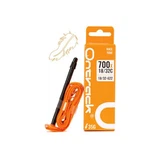
As a seasoned supplier of bicycle tyre liners, I've witnessed firsthand the importance of maintaining these often - overlooked components. A bicycle tyre liner acts as a crucial barrier between the tyre and the rim, protecting against punctures and ensuring a smooth ride. But like all parts of a bicycle, tyre liners wear out over time. In this blog, we'll explore the signs that indicate your bicycle tyre liner is worn out and why it's essential to address this issue promptly.
Visible Cuts and Tears
One of the most obvious signs of a worn - out bicycle tyre liner is the presence of visible cuts and tears. These can occur due to various reasons, such as sharp objects on the road, improper installation, or simply the normal wear and tear of riding. When you inspect your tyre liner, look closely for any slits or holes. Even small cuts can compromise the liner's ability to protect the tyre from punctures.
If you notice a cut in the liner, it's important to replace it as soon as possible. Continuing to ride with a damaged liner increases the risk of a flat tyre, which can be not only inconvenient but also dangerous, especially during high - speed rides. You can find high - quality replacement liners at our store, including our Bicycle Tyre Liner, which is designed to provide long - lasting protection.
Thinning of the Liner
Over time, the constant friction between the tyre and the rim can cause the tyre liner to thin out. This thinning process weakens the liner and reduces its effectiveness in preventing punctures. To check for thinning, carefully remove the tyre from the rim and examine the liner. If it feels significantly thinner in some areas compared to others, or if it seems flimsy and lacks the original thickness, it's a sign that the liner is nearing the end of its lifespan.

Thinning can also lead to the liner tearing more easily, so it's crucial to be proactive. Our Bicycle Nylon Rim Tape is made from high - quality nylon material that resists thinning and offers excellent durability.
Discoloration
Discoloration of the tyre liner can be another indicator of wear. Exposure to sunlight, heat, and chemicals in the environment can cause the liner to change color. For example, a white liner may turn yellow or brown over time. While discoloration itself may not directly affect the liner's performance, it often accompanies other forms of degradation.

If you notice significant discoloration, it's a good idea to inspect the liner more closely for other signs of wear, such as cuts or thinning. Our Bicycle Tubeless Rim Tape is designed to withstand environmental factors and maintain its integrity, reducing the risk of discoloration and premature wear.
Loss of Elasticity
A new tyre liner has a certain degree of elasticity, which allows it to conform to the shape of the rim and provide a snug fit. As the liner wears out, it loses this elasticity. You can test the elasticity by gently stretching a small section of the liner. If it doesn't return to its original shape or if it feels stiff and brittle, it's a sign that the liner is worn.
Loss of elasticity can lead to improper fitting, which may cause the liner to shift or bunch up inside the tyre. This can create areas of weakness and increase the likelihood of a puncture. Our liners are engineered to maintain their elasticity over time, ensuring a secure and reliable fit.
Frequent Punctures
If you find yourself dealing with an unusually high number of punctures, it could be a sign that your tyre liner is worn out. A worn liner is less effective at protecting the tyre from sharp objects on the road. Even small thorns or glass shards that a new liner would easily deflect can penetrate a worn liner and cause a flat.
If you've been experiencing frequent punctures, it's worth taking a closer look at your tyre liner. Replacing it with a new, high - quality liner can significantly reduce the risk of future punctures and save you time and money in the long run.

Why It's Important to Replace a Worn - Out Tyre Liner
Replacing a worn - out tyre liner is not just about preventing punctures; it's also about ensuring your safety on the road. A flat tyre can cause you to lose control of your bicycle, especially at high speeds or in traffic. By replacing the liner in a timely manner, you can minimize this risk and enjoy a more reliable and comfortable ride.
In addition, a new tyre liner can improve the overall performance of your bicycle. It can reduce rolling resistance, which means you'll be able to pedal more efficiently and cover more distance with less effort. This is particularly important for cyclists who participate in races or long - distance rides.
How to Choose the Right Tyre Liner
When it comes to choosing a new tyre liner, there are several factors to consider. First, you need to make sure the liner is the right size for your tyre and rim. Most liners come in standard sizes, but it's always a good idea to double - check the specifications before making a purchase.
You also need to consider the type of riding you'll be doing. If you're an off - road cyclist, you may need a more durable liner that can withstand rough terrain and sharp objects. On the other hand, if you're mainly a road cyclist, a lighter and more flexible liner may be more suitable.
Our range of tyre liners, including the Bicycle Tyre Liner, Bicycle Nylon Rim Tape, and Bicycle Tubeless Rim Tape, offers a variety of options to meet different needs and preferences.
Contact Us for Your Bicycle Tyre Liner Needs
If you're experiencing any of the signs of a worn - out tyre liner or if you're simply looking to upgrade your current liner, we're here to help. As a trusted supplier of bicycle tyre liners, we offer high - quality products at competitive prices. Our team of experts can assist you in choosing the right liner for your bicycle and provide you with all the information you need for proper installation and maintenance.
Don't wait until a flat tyre ruins your ride. Contact us today to discuss your requirements and start enjoying a safer, more reliable cycling experience.
References
- Wilson, John. "Bicycle Maintenance Handbook." Cycling Press, 2018.
- Thompson, Sarah. "The Complete Guide to Bicycle Components." Sports Publishing, 2020.