

In the world of cycling, the pursuit of lighter and more efficient components is a never - ending journey. Among the various parts of a bicycle, inner tubes play a crucial role. Traditionally, rubber has been the go - to material for bicycle inner tubes. However, in recent years, Thermoplastic Polyurethane (TPU) has emerged as a promising alternative. As a TPU bicycle inner tubes supplier, I am often asked the question: "Are TPU bicycle inner tubes lighter than other materials?" Let's delve into this topic to find out.
Understanding the Materials
To answer the question, we first need to understand the properties of the materials commonly used for bicycle inner tubes. The most common materials are rubber (usually butyl rubber) and TPU.
Butyl Rubber Inner Tubes
Butyl rubber has been the standard material for bicycle inner tubes for decades. It has excellent air retention properties, which means it can hold air for a long time. This is because butyl rubber has a low permeability to air, preventing it from escaping quickly. Butyl rubber inner tubes are also relatively durable and can withstand a certain amount of wear and tear. However, one of the drawbacks of butyl rubber is its weight. Due to its density, butyl rubber inner tubes tend to be heavier compared to some other materials.
TPU Inner Tubes
TPU is a type of thermoplastic elastomer that combines the properties of rubber and plastic. It is known for its high flexibility, strength, and abrasion resistance. TPU inner tubes are made by extruding the TPU material into a tube shape. The manufacturing process allows for precise control over the thickness and properties of the tube. One of the key advantages of TPU is its low density, which makes it a potential candidate for lighter inner tubes.
Comparing the Weights
When comparing the weights of TPU and butyl rubber inner tubes, several factors come into play. The size of the inner tube, the thickness of the material, and the specific design can all affect the weight.
Size and Thickness
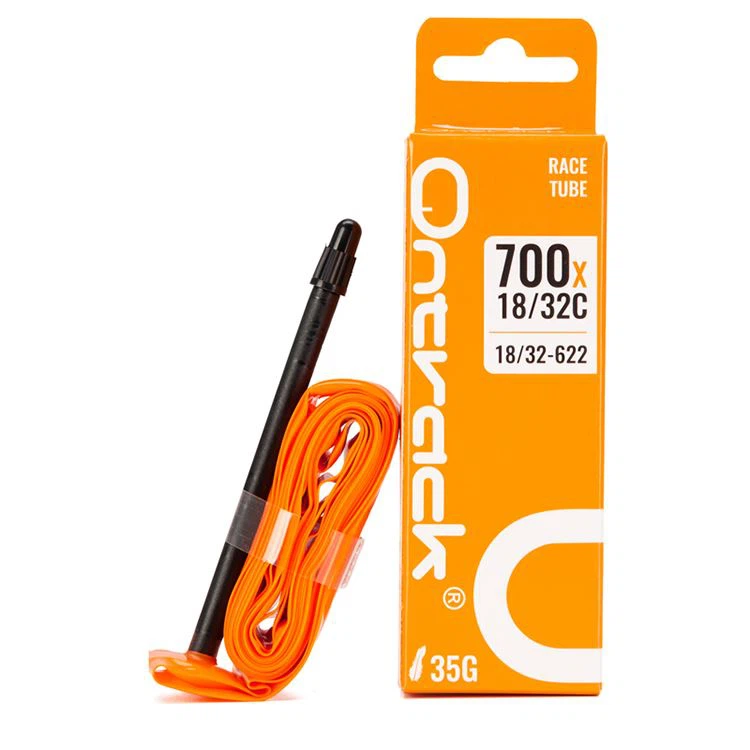
Inner tubes come in different sizes to fit various bicycle tires. Generally, larger inner tubes will weigh more than smaller ones, regardless of the material. However, when comparing inner tubes of the same size, TPU inner tubes are often lighter. This is because TPU has a lower density than butyl rubber. For example, a standard 700c inner tube made of butyl rubber might weigh around 120 - 150 grams, while a TPU inner tube of the same size could weigh as little as 80 - 100 grams.
The thickness of the inner tube also plays a role. Thicker inner tubes are more durable but also heavier. TPU inner tubes can be made thinner while still maintaining their strength and air - holding properties. This is due to the high strength - to - weight ratio of TPU. Manufacturers can optimize the thickness of TPU inner tubes to achieve a balance between weight and durability.
Design and Construction
The design of the inner tube can also affect its weight. Some TPU inner tubes are designed with features such as a seamless construction, which can reduce the overall weight. Seamless TPU inner tubes eliminate the need for additional material at the seams, making them lighter and potentially more reliable.
Other Advantages of TPU Inner Tubes
In addition to being lighter, TPU inner tubes offer several other advantages over traditional butyl rubber inner tubes.
Flexibility and Comfort
TPU is a highly flexible material, which allows the inner tube to conform to the shape of the tire more easily. This results in a smoother ride and better shock absorption. Cyclists may notice a difference in comfort, especially when riding on rough terrain.
Puncture Resistance
TPU has good puncture resistance. It can withstand small punctures better than butyl rubber in some cases. This is because TPU is more elastic and can stretch around sharp objects without tearing easily. As a result, TPU inner tubes may be less prone to flats, reducing the hassle of frequent repairs.
Environmental Friendliness
TPU is a more environmentally friendly material compared to butyl rubber. It is recyclable, which means that at the end of its life cycle, the TPU inner tube can be reused or repurposed. This is in line with the growing trend towards sustainable cycling.
Real - World Applications
The lighter weight and other advantages of TPU inner tubes make them suitable for a variety of cycling applications.
Road Cycling
In road cycling, every gram counts. Lighter inner tubes can contribute to a faster and more efficient ride. Road cyclists are often looking for ways to reduce the weight of their bicycles, and TPU inner tubes can be a great option. They can help improve acceleration and climbing performance.
Mountain Biking
Mountain biking involves riding on rough and uneven terrain. The flexibility and puncture resistance of TPU inner tubes make them well - suited for this type of cycling. They can provide a more comfortable ride and reduce the risk of flats, allowing mountain bikers to focus on the trail.
Conclusion
In conclusion, TPU bicycle inner tubes are generally lighter than butyl rubber inner tubes. Their low density, combined with the ability to be made thinner without sacrificing strength, makes them a lightweight alternative. In addition to being lighter, TPU inner tubes offer other benefits such as flexibility, puncture resistance, and environmental friendliness.
If you are a cyclist looking to upgrade your inner tubes or a bicycle manufacturer seeking high - quality components, TPU Bicycle Inner Tubes are definitely worth considering. Our Ultralight TPU Inner Tube is designed to provide the ultimate combination of light weight and performance.
If you are interested in purchasing TPU bicycle inner tubes, we invite you to contact us for a detailed discussion about your specific requirements. We are committed to providing high - quality products and excellent customer service.


