

As a supplier of TPU bicycle inner tubes, I've often been asked whether TPU bicycle inner tubes are prone to aging. This is a crucial question for cyclists and bike enthusiasts, as the longevity of inner tubes directly impacts the performance and safety of their bicycles. In this blog, I'll delve into the factors that affect the aging of TPU bicycle inner tubes, compare them with other materials, and provide insights on how to extend their lifespan.
Understanding TPU Bicycle Inner Tubes
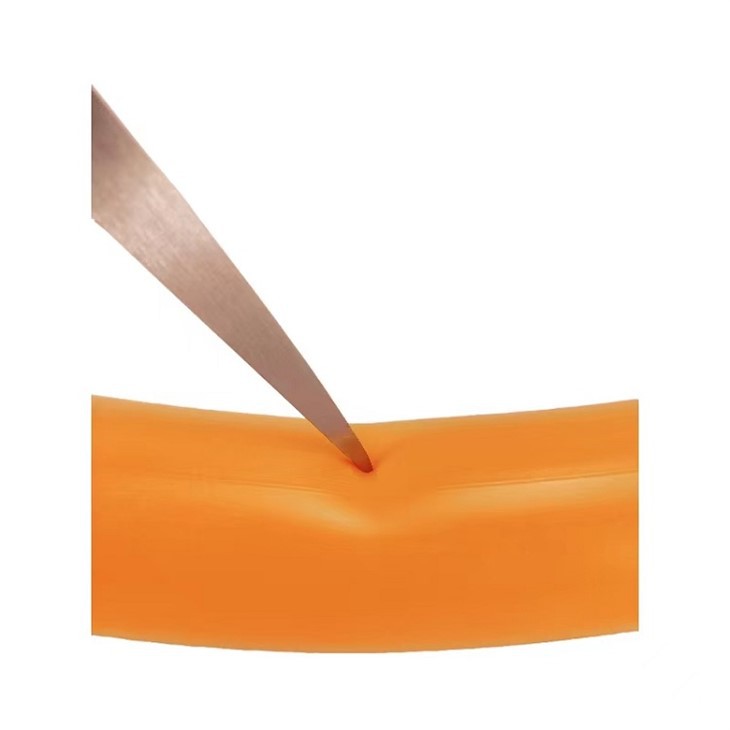
Before we discuss aging, let's first understand what TPU (Thermoplastic Polyurethane) is. TPU is a type of plastic polymer that offers a unique combination of properties, including high elasticity, tear resistance, and low weight. These characteristics make TPU an ideal material for bicycle inner tubes. TPU Bicycle Inner Tubes are known for their excellent puncture resistance, which can significantly reduce the risk of flats. They are also more lightweight compared to traditional rubber inner tubes, which can improve the overall performance of the bicycle.
Factors Affecting the Aging of TPU Bicycle Inner Tubes
Several factors can contribute to the aging of TPU bicycle inner tubes. Understanding these factors can help cyclists take appropriate measures to prolong the lifespan of their inner tubes.
Exposure to UV Rays
One of the primary factors that can cause TPU inner tubes to age is exposure to ultraviolet (UV) rays. UV rays can break down the molecular structure of TPU, leading to a loss of elasticity and strength. Over time, this can cause the inner tube to become brittle and more prone to punctures. To minimize the effects of UV exposure, it's recommended to store your bicycle in a shaded area or use a bike cover when not in use.
Temperature Fluctuations
Extreme temperature changes can also have a negative impact on TPU inner tubes. High temperatures can cause the TPU to soften and become more susceptible to damage, while low temperatures can make the inner tube more rigid and less flexible. It's important to avoid exposing your bicycle to extreme temperatures for extended periods. If you live in an area with harsh weather conditions, consider using insulated bike storage or a temperature-controlled environment.
Chemical Exposure
Exposure to certain chemicals can also accelerate the aging process of TPU inner tubes. For example, contact with oil, grease, or solvents can cause the TPU to degrade and lose its properties. When cleaning your bicycle, it's important to use mild, non-abrasive cleaners and avoid using harsh chemicals that could damage the inner tubes.
Mechanical Stress
The constant pressure and friction that TPU inner tubes experience during normal use can also contribute to their aging. Over time, the repeated bending and stretching of the inner tube can cause it to wear out and develop cracks. To reduce mechanical stress, make sure your tires are properly inflated and avoid riding over rough terrain or potholes whenever possible.
Comparing TPU with Other Inner Tube Materials
To better understand the aging characteristics of TPU bicycle inner tubes, it's helpful to compare them with other common inner tube materials, such as butyl rubber and latex.
Butyl Rubber
Butyl rubber is a traditional material used for bicycle inner tubes. It is known for its excellent air retention properties, which can help keep your tires inflated for longer periods. However, butyl rubber inner tubes are generally heavier than TPU inner tubes and are more prone to punctures. In terms of aging, butyl rubber can also be affected by UV rays and temperature fluctuations, but it is generally more resistant to chemical exposure compared to TPU.
Latex
Latex inner tubes are another popular option for cyclists. They are known for their high elasticity and lightweight, which can provide a smoother ride. However, latex inner tubes are more expensive than TPU and butyl rubber inner tubes and are more prone to punctures. Latex is also more sensitive to UV rays and chemical exposure, which can cause it to age more quickly.
Overall, TPU bicycle inner tubes offer a good balance of performance, durability, and weight. While they are not immune to aging, proper care and maintenance can help extend their lifespan.

Tips for Extending the Lifespan of TPU Bicycle Inner Tubes
To ensure that your TPU bicycle inner tubes last as long as possible, here are some tips to keep in mind:
Proper Inflation
Maintaining the correct tire pressure is crucial for the longevity of your TPU inner tubes. Underinflated tires can cause the inner tube to rub against the tire and the rim, leading to premature wear and tear. Overinflated tires, on the other hand, can put excessive stress on the inner tube and increase the risk of a blowout. Make sure to check your tire pressure regularly and inflate your tires to the recommended pressure.
Regular Inspections
Regularly inspect your TPU inner tubes for signs of damage or wear. Look for cracks, cuts, or bulges in the inner tube, as these can indicate that it needs to be replaced. If you notice any damage, it's important to replace the inner tube as soon as possible to avoid a flat tire.
Storage
Proper storage is also important for the longevity of your TPU inner tubes. When not in use, store your bicycle in a cool, dry place away from direct sunlight and heat sources. If you need to store your inner tubes for an extended period, make sure to deflate them and store them in a sealed container to prevent them from drying out.
Use of Protective Products
There are several protective products available on the market that can help extend the lifespan of your TPU inner tubes. For example, tire liners can provide an extra layer of protection against punctures, while sealants can help repair small punctures automatically. Consider using these products to enhance the durability of your inner tubes.
Conclusion
In conclusion, while TPU bicycle inner tubes are not completely immune to aging, they offer several advantages over other inner tube materials. With proper care and maintenance, TPU inner tubes can last for a long time and provide a reliable and high-performance solution for cyclists. If you're looking for a lightweight, puncture-resistant inner tube option, TPU Bicycle Inner Tubes or Ultralight TPU Inner Tube are definitely worth considering.
If you're interested in purchasing TPU bicycle inner tubes or have any questions about our products, please feel free to reach out to us for a procurement discussion. We're here to help you find the best inner tube solution for your needs.


