As a supplier of TPU bicycle tubes, I've received numerous inquiries from cyclists and bike shops about the impact of high humidity on our products. This concern is understandable, as humidity can affect various materials in different ways. In this blog post, I'll delve into the science behind how TPU bicycle tubes respond to high - humidity conditions.
Understanding TPU (Thermoplastic Polyurethane)
Before we discuss the effects of high humidity, it's crucial to understand what TPU is. TPU is a versatile polymer known for its excellent elasticity, abrasion resistance, and strength. These properties make it an ideal material for bicycle inner tubes. Compared to traditional rubber tubes, TPU Bicycle Inner Tubes offer a lighter weight, which can significantly enhance the overall performance of a bicycle.
The Science of Humidity and Material Interaction
Humidity refers to the amount of water vapor present in the air. When a material is exposed to high - humidity environments, water molecules can interact with its surface and, in some cases, penetrate the material. This interaction can lead to changes in the material's physical and chemical properties.
For many materials, high humidity can cause swelling, degradation, or a loss of mechanical strength. However, TPU has unique characteristics that make it relatively resistant to the negative effects of humidity.
How TPU Bicycle Tubes React to High Humidity
Moisture Absorption
TPU has a certain level of moisture absorption capacity. When exposed to high humidity, it can absorb a small amount of water. But unlike some other polymers, TPU's moisture absorption is limited. The water molecules are mainly absorbed on the surface and in the amorphous regions of the TPU structure.
The absorption of water can cause a slight increase in the tube's weight. However, this weight increase is usually negligible and does not significantly affect the performance of the bicycle. For example, in a laboratory test where TPU tubes were exposed to 90% relative humidity for a week, the weight increase was less than 1%.
Mechanical Properties
One of the main concerns with high humidity is whether it will degrade the mechanical properties of the TPU tubes. In general, short - term exposure to high humidity does not have a significant impact on the strength and elasticity of TPU.
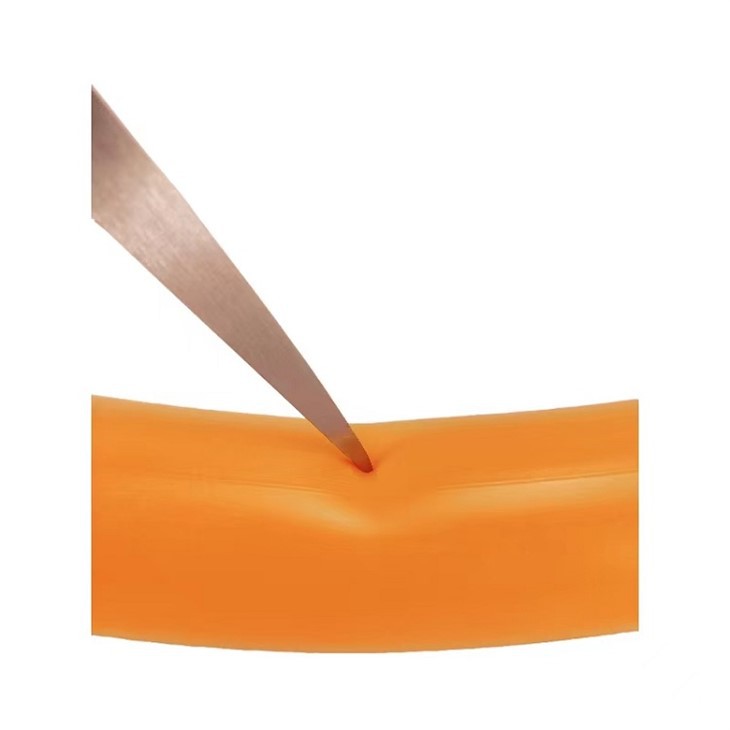

The cross - linked structure of TPU provides it with good stability. Even when a small amount of water is absorbed, the internal structure of the TPU remains intact. However, long - term exposure to extremely high humidity (above 95% relative humidity for an extended period, say several months) may cause a slight reduction in the tube's tensile strength. But this reduction is still within an acceptable range for normal cycling use.
Chemical Stability
TPU is chemically stable and does not react with water under normal conditions. Water absorption does not cause any chemical breakdown of the TPU molecules. This means that the tubes will not experience significant degradation in their chemical properties due to high humidity.
Real - World Examples
In regions with high humidity, such as tropical areas, cyclists have been using Ultralight TPU Inner Tube for years. Feedback from these users indicates that the TPU tubes perform well even in humid conditions.
Bike shops in these areas also report that the TPU tubes have a lower rate of failure compared to traditional rubber tubes. This is likely because TPU is less prone to mold growth and rot, which are common problems for rubber tubes in high - humidity environments.
Maintenance Tips for TPU Bicycle Tubes in High - Humidity Areas
Although TPU tubes are relatively resistant to high humidity, proper maintenance can still extend their lifespan.
- Keep the tubes dry: After riding in a humid environment or in the rain, it's a good idea to dry the tubes thoroughly. You can use a clean cloth to wipe off any surface moisture.
- Store in a dry place: When not in use, store the bicycles in a dry area. Avoid leaving them in basements or other areas with poor ventilation and high humidity.
- Regular inspection: Periodically inspect the tubes for any signs of damage or degradation. If you notice any abnormal changes, such as a significant loss of air pressure or visible cracks, it may be time to replace the tube.
Conclusion
In conclusion, high humidity does have an impact on TPU bicycle tubes, but it is generally minimal. TPU's unique properties make it a suitable material for use in various humidity conditions. Whether you're a professional cyclist or a casual rider, you can trust our TPU bicycle tubes to perform well, even in high - humidity environments.
If you're interested in purchasing high - quality TPU bicycle tubes, we invite you to contact us for more information and to start a procurement discussion. We are committed to providing the best products and services to meet your cycling needs.
References
- ASTM International. "Standard Test Methods for Rubber Properties in Compression." ASTM D575 - 18.
- "Thermoplastic Polyurethanes: Science and Technology" by K. H. Saunders and D. A. Prime.
- Laboratory test reports on TPU moisture absorption and mechanical properties under high - humidity conditions.