As a supplier of TPU bicycle tubes, I've often been asked whether TPU tubes are more resistant to ozone. This question is crucial for cyclists and bike manufacturers alike, as ozone resistance can significantly impact the lifespan and performance of bicycle tubes. In this blog, I'll delve into the science behind TPU's ozone resistance, compare it with traditional tube materials, and provide insights based on my experience in the industry.
Understanding Ozone and Its Effects on Bicycle Tubes
Ozone is a highly reactive gas composed of three oxygen atoms (O₃). It is present in the Earth's atmosphere, particularly in the lower stratosphere and the troposphere. While the ozone layer in the stratosphere protects us from harmful ultraviolet radiation, ground - level ozone is a pollutant formed through chemical reactions between nitrogen oxides (NOₓ) and volatile organic compounds (VOCs) in the presence of sunlight.
For bicycle tubes, ozone can cause significant damage. When rubber or other tube materials are exposed to ozone, the ozone molecules react with the double bonds in the polymer chains of the material. This reaction leads to the formation of ozonides, which are unstable and can break down the polymer chains. As a result, the tube material becomes brittle, cracks start to form, and the tube's structural integrity is compromised. These cracks can eventually lead to tube failure, such as punctures or blowouts, which can be dangerous for cyclists.

TPU: A Promising Material for Bicycle Tubes
Thermoplastic Polyurethane (TPU) is a type of polymer that has gained popularity in the bicycle tube industry in recent years. TPU offers several advantages over traditional tube materials, such as natural rubber and butyl rubber. One of the key benefits of TPU is its excellent ozone resistance.
The molecular structure of TPU plays a significant role in its ozone resistance. TPU is composed of hard and soft segments. The hard segments provide strength and rigidity, while the soft segments offer flexibility. Unlike some traditional rubber materials, TPU has fewer double bonds in its polymer chains. Since ozone reacts with double bonds, the reduced number of double bonds in TPU means that there are fewer sites for ozone to attack. As a result, TPU is less likely to form ozonides and is more resistant to ozone - induced degradation.
Comparing TPU with Traditional Tube Materials
Let's compare TPU with natural rubber and butyl rubber, two commonly used materials for bicycle tubes, in terms of ozone resistance.
Natural Rubber
Natural rubber is derived from the latex of rubber trees. It has good elasticity and is relatively inexpensive. However, natural rubber is highly susceptible to ozone damage. The polymer chains in natural rubber contain a large number of double bonds, making it an easy target for ozone. When exposed to ozone, natural rubber can quickly develop surface cracks, which can spread and weaken the tube over time. In areas with high ozone levels, natural rubber tubes may need to be replaced more frequently to avoid failure.
Butyl Rubber
Butyl rubber is a synthetic rubber that is known for its low air permeability, which helps to keep the tire inflated for longer periods. It has better ozone resistance than natural rubber due to its more saturated polymer structure. However, butyl rubber is still not as ozone - resistant as TPU. Over time, butyl rubber can also develop cracks when exposed to ozone, especially in harsh environmental conditions.
TPU
As mentioned earlier, TPU's unique molecular structure gives it superior ozone resistance compared to natural rubber and butyl rubber. TPU tubes can withstand prolonged exposure to ozone without significant degradation. This means that cyclists can rely on TPU tubes for a longer time, even in areas with high ozone pollution.
Real - World Testing and Evidence
In addition to the theoretical understanding of TPU's ozone resistance, there have been real - world tests and evidence to support its superiority. Many independent laboratories have conducted accelerated aging tests on different tube materials, including TPU, natural rubber, and butyl rubber. These tests involve exposing the tube samples to high levels of ozone for a certain period to simulate long - term exposure in the real world.
The results of these tests consistently show that TPU tubes perform much better than natural rubber and butyl rubber tubes. After the accelerated aging tests, TPU tubes show minimal signs of cracking or degradation, while natural rubber tubes are often covered in cracks, and butyl rubber tubes also show some degree of damage.
Cyclists who have switched to TPU Bicycle Inner Tubes have also reported positive experiences. They have noticed that their TPU tubes last longer and are more reliable, especially in areas with high ozone levels. For example, in urban areas with heavy traffic, where ozone pollution is often a problem, cyclists find that TPU tubes are less likely to fail due to ozone damage.
Other Benefits of TPU Bicycle Tubes
Apart from ozone resistance, TPU bicycle tubes offer several other benefits.
Lightweight
TPU is a lightweight material. Ultralight TPU Inner Tube can significantly reduce the overall weight of the bicycle, which is beneficial for cyclists, especially those who are into racing or long - distance cycling. A lighter bicycle requires less energy to pedal, allowing cyclists to ride faster and more efficiently.
High Elasticity
TPU has excellent elasticity, which means that it can stretch and return to its original shape easily. This property allows TPU tubes to adapt well to the changing shape of the tire during cycling, providing a smooth and comfortable ride.
Puncture Resistance
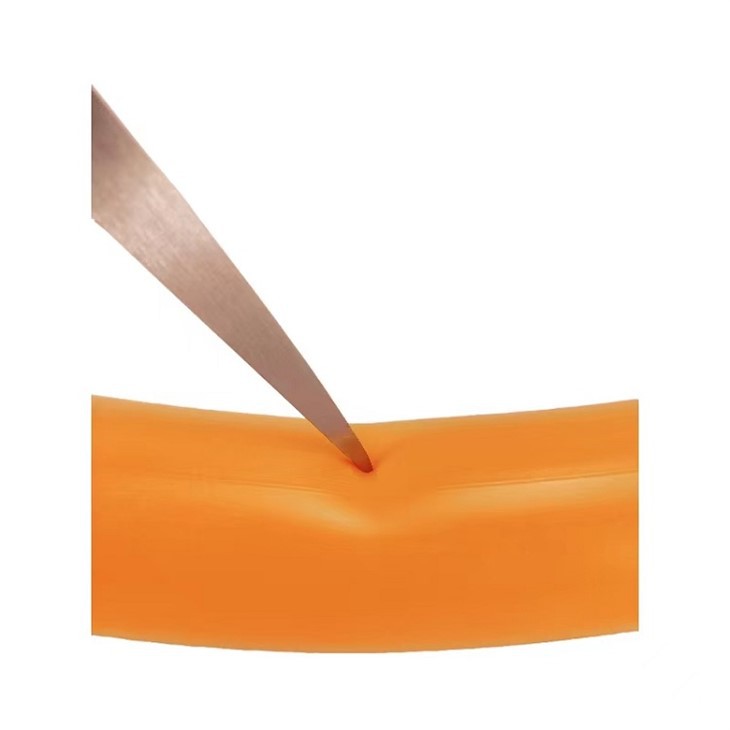
TPU tubes are also more puncture - resistant than some traditional tube materials. The tough polymer structure of TPU can withstand sharp objects better, reducing the risk of punctures from thorns, glass, or other debris on the road.
Conclusion and Call to Action
In conclusion, TPU bicycle tubes are indeed more resistant to ozone compared to traditional tube materials such as natural rubber and butyl rubber. Their unique molecular structure, with fewer double bonds, makes them less susceptible to ozone - induced degradation. Real - world testing and the experiences of cyclists have confirmed the superiority of TPU in terms of ozone resistance.
If you're a cyclist looking for a reliable and long - lasting tube, or a bike manufacturer seeking high - quality tube materials, I highly recommend considering TPU bicycle tubes. Our company is a leading supplier of TPU bicycle tubes, offering a wide range of products to meet your needs. Whether you need standard TPU tubes or Ultralight TPU Inner Tube, we have the right solution for you.
If you're interested in learning more about our TPU bicycle tubes or would like to discuss a potential purchase, please don't hesitate to reach out. We're always happy to provide more information and answer any questions you may have. Let's work together to ensure that cyclists can enjoy a safe and comfortable ride with our high - quality TPU bicycle tubes.
References
- "Polymer Science and Engineering" by Carl E. Carraher Jr.
- Industry reports on bicycle tube materials and their performance.
- Independent laboratory test results on ozone resistance of different tube materials.