Hey there, fellow cycling enthusiasts! I'm a supplier of bicycle butyl tubes, and I often get asked if a regular bicycle butyl tube can be used with a fat bike. It's a great question, and today, I'm going to dive deep into this topic to give you all the info you need.
First off, let's understand what a fat bike is. A fat bike is a unique type of bicycle designed for riding on soft or unstable surfaces like sand, snow, or mud. It's characterized by its extra-wide tires, typically ranging from 3.8 inches to 5 inches in width. These fat tires provide a larger contact area with the ground, which helps distribute the bike's weight more evenly and prevents it from sinking.
Now, let's talk about butyl tubes. Butyl tubes are a popular choice for many cyclists because they're relatively inexpensive, easy to find, and have good air retention properties. They're made from a synthetic rubber called butyl rubber, which is known for its low permeability to air. This means that butyl tubes can hold air for a longer time compared to other types of tubes.
So, can a bicycle butyl tube be used with a fat bike? The short answer is yes, but it's not as straightforward as it might seem. There are a few factors you need to consider before using a regular butyl tube on a fat bike.


Compatibility
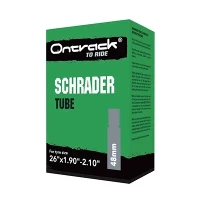
The first thing you need to check is the compatibility of the tube with your fat bike's tire. Fat bike tires come in different sizes, and you need to make sure that the tube you choose is the right size for your tire. Most fat bike tires are either 26 inches, 27.5 inches, or 29 inches in diameter. You can find the appropriate butyl tubes for these sizes on our website: 29 Inch Bicycle Inner Tubes, 26 Inch Bicycle Inner Tube, and 27.5 Bicycle Tube.
It's also important to note that fat bike tires have a much larger volume than regular bike tires. This means that you'll need a tube with a higher volume capacity to properly fit inside the tire. If you use a tube that's too small, it may not be able to hold enough air to support the weight of the bike and the rider, which can lead to flats or other issues.
Pressure
Another important factor to consider is the pressure rating of the tube. Fat bikes typically require lower tire pressures compared to regular bikes. This is because the wide tires need to be able to conform to the surface they're riding on, which requires a softer, more flexible tire. Most fat bikes are recommended to run at pressures between 5 and 15 psi (pounds per square inch).
When using a butyl tube on a fat bike, you need to make sure that the tube can handle the lower pressures without losing air or becoming damaged. Some butyl tubes are designed to handle lower pressures better than others, so it's important to choose a tube that's specifically rated for use with fat bikes.
Durability
Fat bikes are often used in harsh environments, such as snow, sand, and mud. This means that the tubes need to be durable enough to withstand the wear and tear of these conditions. Butyl tubes are generally quite durable, but they may not be as resistant to punctures as some other types of tubes.
If you're planning to ride your fat bike in areas with a lot of sharp objects or rough terrain, you may want to consider using a tube with additional puncture protection. Some butyl tubes come with a reinforced layer or a special coating that can help prevent punctures.
Installation
Installing a butyl tube on a fat bike can be a bit more challenging than installing a tube on a regular bike. The wide tires and large volume of the tube can make it difficult to get the tube properly seated inside the tire. It's important to take your time and follow the proper installation procedures to ensure that the tube is installed correctly.
One tip is to use a tire lever to help you get the tube into the tire. You can also use a little bit of soapy water to lubricate the tube and make it easier to install. Once the tube is inside the tire, make sure to check that it's evenly distributed and that there are no wrinkles or folds.
Benefits of Using a Butyl Tube on a Fat Bike
Despite the challenges, there are several benefits to using a butyl tube on a fat bike. One of the main benefits is the cost. Butyl tubes are generally less expensive than other types of tubes, which can be a big advantage if you're on a budget.
Another benefit is the air retention. Butyl tubes have good air retention properties, which means that you won't have to inflate your tires as often. This can be especially useful if you're riding in remote areas where it may be difficult to find a pump.
Finally, butyl tubes are widely available and easy to find. You can purchase them at most bike shops or online retailers, which makes it convenient to replace a tube if you get a flat.
Conclusion
So, can a bicycle butyl tube be used with a fat bike? The answer is yes, but you need to make sure that the tube is the right size, can handle the lower pressures, and is durable enough for the conditions you'll be riding in. If you follow these guidelines, you should be able to use a butyl tube on your fat bike without any problems.
If you're interested in purchasing butyl tubes for your fat bike, please don't hesitate to contact us. We're a leading supplier of bicycle butyl tubes, and we offer a wide range of sizes and styles to meet your needs. Whether you're a casual rider or a serious cyclist, we have the perfect tube for you.