When it comes to cycling, the reliability of your bicycle's components is crucial. One such component that often goes unnoticed until there's a problem is the inner tube. As a TPU bicycle tubes supplier, I'm frequently asked about the repairability of TPU (Thermoplastic Polyurethane) bicycle tubes. In this blog post, I'll explore whether TPU bicycle tubes can be repaired, the methods involved, and the pros and cons of doing so.
Understanding TPU Bicycle Tubes
TPU bicycle tubes have gained popularity in recent years due to their numerous advantages over traditional rubber tubes. They are incredibly lightweight, offering a significant weight savings that can enhance the overall performance of your bike. Additionally, TPU tubes are highly resistant to punctures, thanks to the material's inherent strength and flexibility. This makes them a favorite among cyclists who value speed and reliability.
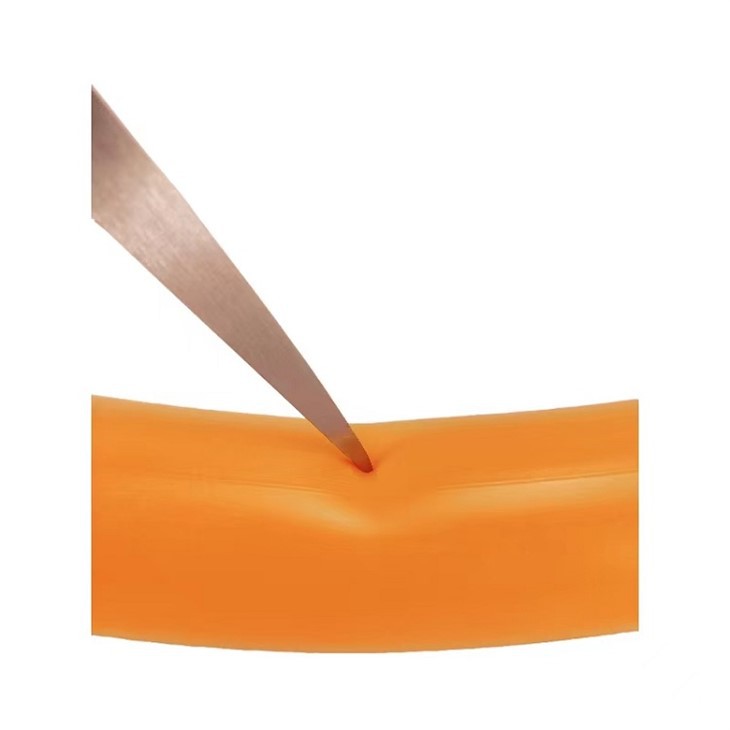
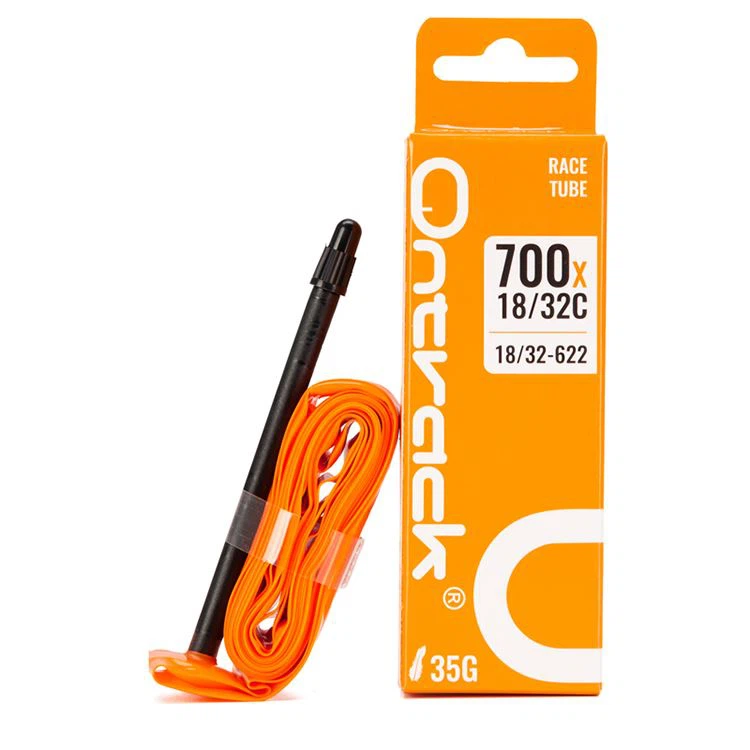
You can check out our Ultralight TPU Inner Tube for a prime example of the quality TPU tubes we offer. These tubes are designed to provide maximum performance and durability, making them an ideal choice for both casual and professional cyclists.
Can TPU Bicycle Tubes Be Repaired?
The short answer is yes, TPU bicycle tubes can be repaired. However, the process is not as straightforward as repairing a traditional rubber tube. TPU is a different material with unique properties, which means that special techniques and materials are required to ensure a successful repair.
One of the main challenges in repairing TPU tubes is finding a suitable adhesive. Traditional rubber tube repair kits often use vulcanizing glue, which does not bond well with TPU. Instead, you'll need to use a specialized adhesive that is designed to work with thermoplastic materials. These adhesives are typically stronger and more flexible than traditional glues, allowing them to bond securely to the TPU surface.
Repair Methods for TPU Bicycle Tubes
There are two main methods for repairing TPU bicycle tubes: patching and welding.
Patching
Patching is the most common method for repairing TPU tubes. It involves applying a patch to the damaged area using a specialized adhesive. Here's a step-by-step guide on how to patch a TPU bicycle tube:
- Locate the puncture: First, you need to find the source of the leak. You can do this by inflating the tube slightly and submerging it in water. Look for bubbles to indicate the location of the puncture.
- Prepare the surface: Once you've located the puncture, clean the area around it with a mild detergent and water. Dry the area thoroughly to ensure a good bond.
- Apply the adhesive: Apply a thin layer of the specialized TPU adhesive to the patch and the damaged area of the tube. Make sure to spread the adhesive evenly.
- Apply the patch: Carefully place the patch over the puncture, aligning it properly. Press down firmly on the patch to ensure a good bond.
- Let it dry: Allow the adhesive to dry completely according to the manufacturer's instructions. This may take several hours.
Welding
Welding is a more advanced method for repairing TPU tubes. It involves using a heat source to melt the TPU material and fuse it back together. This method requires specialized equipment and skills, so it's not recommended for beginners. However, it can provide a stronger and more permanent repair compared to patching.
Pros and Cons of Repairing TPU Bicycle Tubes
Like any repair process, there are pros and cons to repairing TPU bicycle tubes.
Pros
- Cost-effective: Repairing a TPU tube is often much cheaper than replacing it. This can save you money in the long run, especially if you frequently get punctures.
- Environmentally friendly: By repairing your TPU tube, you're reducing waste and extending the lifespan of the product. This is a more sustainable option compared to throwing away the tube and buying a new one.
- Convenience: If you're on a long ride and get a puncture, being able to repair the tube on the spot can save you a lot of time and hassle.
Cons
- Difficulty: As mentioned earlier, repairing TPU tubes can be more challenging than repairing traditional rubber tubes. It requires special techniques and materials, which may not be readily available.
- Strength of the repair: While a properly repaired TPU tube can be strong and reliable, the repair may not be as strong as the original material. This means that there is a risk of the tube failing again in the same area.
- Time-consuming: Repairing a TPU tube can take longer than replacing it, especially if you're using the welding method. This can be a drawback if you're in a hurry.
Conclusion
In conclusion, TPU bicycle tubes can be repaired, but the process requires special techniques and materials. Whether you choose to repair or replace your TPU tube depends on your personal preferences, the severity of the damage, and your level of skill. If you're comfortable with the repair process and have the necessary tools and materials, repairing your TPU tube can be a cost-effective and environmentally friendly option.
If you're interested in purchasing high-quality TPU bicycle tubes, check out our TPU Bicycle Inner Tubes page. We offer a wide range of TPU tubes to suit different needs and budgets. If you have any questions or would like to discuss your specific requirements, please feel free to contact us. We're always happy to help!