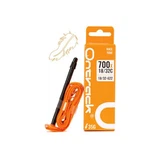
As a supplier of butyl bicycle tubes, I often encounter inquiries from cyclists and bike shops about the features of our products. One question that comes up frequently is whether butyl bicycle tubes have a quick - inflation feature. In this blog post, I'll delve into this topic, exploring the characteristics of butyl tubes, their inflation process, and whether they can be considered quick - inflating.
Understanding Butyl Bicycle Tubes
Butyl rubber is a popular material for bicycle inner tubes due to its excellent air - retention properties. It has a low permeability to air, which means that once the tube is inflated, it can hold air for a much longer time compared to tubes made from other materials. This is a significant advantage for cyclists as it reduces the frequency of tire inflation and helps maintain proper tire pressure, which is crucial for a smooth and efficient ride.
Our company offers a wide range of butyl bicycle tubes, including 29 Inch Bicycle Inner Tubes, 27.5 Bicycle Tube, and Bicycle Butyl Tube. These tubes are designed to fit different types of bicycles, from mountain bikes to road bikes, and are suitable for various riding conditions.
The Inflation Process of Butyl Tubes
The inflation process of butyl bicycle tubes is similar to that of other types of tubes. You can use a standard bicycle pump, whether it's a hand pump or a floor pump, to inflate the tube. The key difference lies in the air - retention aspect, which doesn't directly affect the speed of inflation.
When you start inflating a butyl tube, the initial stage is relatively quick. As you pump air into the tube, the pressure inside starts to build up. However, as the tube approaches its recommended pressure level, the resistance increases, and it becomes more difficult to add more air. This is a common phenomenon with all types of bicycle tubes, not just butyl ones.
The time it takes to inflate a butyl tube depends on several factors. The size of the tube is one of the most significant factors. Larger tubes, such as 29 - inch mountain bike tubes, require more air to reach the recommended pressure compared to smaller tubes, like those used on children's bikes. Another factor is the type of pump you are using. A high - volume floor pump can deliver more air per stroke, which can significantly reduce the inflation time compared to a small hand pump.


Quick - Inflation Feature: Fact or Fiction?
Now, let's address the question of whether butyl bicycle tubes have a quick - inflation feature. In general, butyl tubes do not have a built - in mechanism that makes them inflate faster than other types of tubes. However, some factors can make the inflation process seem quicker or more efficient.
One advantage of butyl tubes is their durability. They are less likely to develop leaks during the inflation process, which means you don't have to stop and check for leaks constantly. This can save you time and make the inflation process smoother. Additionally, the air - retention properties of butyl tubes mean that once they are inflated to the correct pressure, they will maintain that pressure for a long time. This reduces the need for frequent re - inflation, which can be seen as an indirect form of "quick - inflation" in the long run.
Some manufacturers may claim that their butyl tubes have a quick - inflation feature. In some cases, these claims may be based on improvements in the tube's valve design. A well - designed valve can allow air to flow more freely into the tube, reducing the inflation time. For example, some tubes come with Presta valves, which are known for their efficient air - flow characteristics. However, it's important to note that the valve is just one component of the tube, and the overall inflation time still depends on the factors mentioned earlier.
Tips for Quick Inflation of Butyl Tubes
If you want to inflate your butyl bicycle tubes as quickly as possible, here are some tips:
- Use a High - Quality Pump: Invest in a good floor pump with a high - volume chamber. This type of pump can deliver a large amount of air with each stroke, which can significantly reduce the inflation time.
- Check the Valve: Make sure the valve is clean and in good working condition. A clogged or damaged valve can restrict the air flow and slow down the inflation process.
- Pre - Stretch the Tube: Before installing the tube in the tire, give it a gentle stretch. This can help the tube expand more easily during inflation and reduce the overall inflation time.
- Follow the Recommended Pressure: Refer to the sidewall of the tire for the recommended pressure range. Over - inflating the tube can not only be dangerous but also make it more difficult to add air.
Conclusion
In conclusion, while butyl bicycle tubes do not have a specific quick - inflation feature in the traditional sense, they offer several advantages that can make the inflation process more efficient. Their durability, air - retention properties, and potential for valve improvements can contribute to a smoother and quicker inflation experience.
If you are in the market for high - quality butyl bicycle tubes, our company is here to provide you with the best products. We have a wide selection of tubes to meet your needs, and our team is always ready to assist you with any questions or concerns. Whether you are a professional cyclist or a casual rider, our butyl tubes are designed to provide you with a reliable and long - lasting solution.
If you are interested in purchasing our butyl bicycle tubes or have any questions about our products, please feel free to contact us for a procurement discussion. We look forward to working with you and helping you find the perfect tubes for your bicycles.
References
- "Bicycle Tire and Tube Basics" by Bicycle Retailer and Industry News
- "The Science of Bicycle Tubes" by Cycling Weekly