As a supplier of TPU bicycle inner tubes, I've often been asked whether TPU inner tubes have a better heat dissipation ability compared to traditional inner tubes. This is a crucial question for cyclists, especially those who engage in long - distance rides or high - intensity cycling. In this blog, we'll explore the science behind heat dissipation in bicycle inner tubes and see if TPU inner tubes truly hold an edge.
Understanding Heat Generation in Bicycle Inner Tubes
Before delving into heat dissipation, it's essential to understand how heat is generated in bicycle inner tubes. When a bicycle is in motion, the inner tube experiences a series of mechanical stresses. The constant compression and expansion of the tube as the bike moves over uneven surfaces, combined with the friction between the tube and the tire, lead to the generation of heat. Additionally, air molecules inside the tube collide with each other and the tube walls, creating more heat due to internal friction.
High temperatures inside the inner tube can have several negative effects. It can cause the air pressure inside the tube to increase, potentially leading to a blowout. Moreover, excessive heat can also degrade the materials of the inner tube over time, reducing its lifespan and performance.
Traditional Inner Tube Materials and Their Heat Dissipation
Traditional bicycle inner tubes are typically made of butyl rubber. Butyl rubber has excellent air - retention properties, which is why it has been the material of choice for many years. However, when it comes to heat dissipation, butyl rubber has its limitations.
Butyl rubber is a relatively poor conductor of heat. Its molecular structure is dense and non - porous, which restricts the transfer of heat from the inside of the tube to the outside environment. As a result, heat tends to build up inside the tube, increasing the risk of overheating and potential damage.
The Science of TPU and Heat Dissipation
Thermoplastic polyurethane (TPU) is a modern material that has gained popularity in the bicycle industry. TPU has several unique properties that make it potentially better for heat dissipation.
First, TPU has a more open molecular structure compared to butyl rubber. This open structure allows for better heat transfer. Heat can move more freely through the TPU material, enabling it to dissipate more effectively to the surrounding environment.

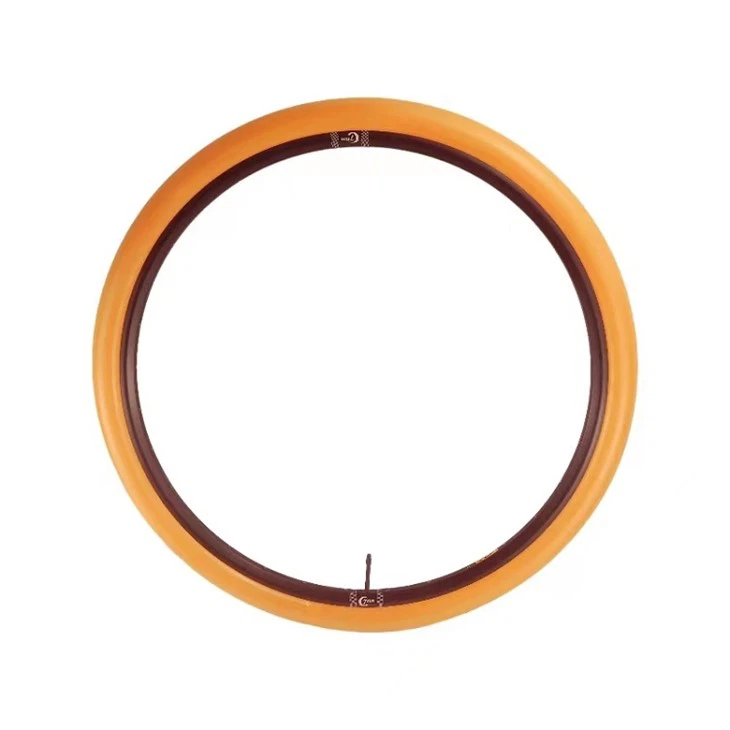
Second, TPU has a higher thermal conductivity than butyl rubber. Thermal conductivity is a measure of a material's ability to conduct heat. A higher thermal conductivity means that the material can transfer heat more quickly. According to some studies, TPU can conduct heat at a rate that is significantly higher than that of butyl rubber, which means that heat generated inside the TPU inner tube can be transferred to the outer surface of the tube and then to the air more rapidly.
Practical Evidence of TPU's Heat Dissipation Ability
In real - world cycling scenarios, there have been numerous reports from cyclists using TPU Bicycle Inner Tubes. Many cyclists have noticed that TPU inner tubes tend to stay cooler during long rides. For example, in a long - distance cycling event where cyclists were using both butyl rubber and TPU inner tubes, temperature sensors were placed inside the tubes. The results showed that the TPU inner tubes maintained a lower temperature throughout the ride compared to the butyl rubber inner tubes.
Another advantage of TPU inner tubes in terms of heat dissipation is their lightweight nature. Ultralight TPU Inner Tube reduces the overall mass of the wheel, which in turn reduces the amount of heat generated during cycling. Less heat generation means that the heat dissipation system (the TPU material itself) has an easier job of keeping the tube at a safe temperature.
Other Benefits of TPU Inner Tubes Related to Heat
Beyond just heat dissipation, TPU inner tubes offer other benefits that indirectly contribute to a cooler ride. TPU is more resistant to abrasion and punctures compared to butyl rubber. This means that cyclists can use a lower tire pressure without the fear of getting a flat. Lower tire pressure reduces the friction between the tire and the road surface, which in turn reduces heat generation.
In addition, TPU inner tubes are more flexible than butyl rubber inner tubes. This flexibility allows the tube to adapt better to the shape of the tire and the road surface, reducing the amount of internal stress and heat generated during compression and expansion.
Considerations and Limitations
While TPU inner tubes have many advantages in terms of heat dissipation, it's important to note that they are not a one - size - fits - all solution. The heat dissipation ability of TPU inner tubes can be affected by several factors, such as the ambient temperature, the cycling speed, and the type of terrain.
In extremely hot environments, even TPU inner tubes may struggle to dissipate heat effectively. High - speed cycling on rough terrains can also generate a large amount of heat, which may push the limits of the TPU's heat dissipation capabilities.
Conclusion
In conclusion, TPU bicycle inner tubes do have a better heat dissipation ability compared to traditional butyl rubber inner tubes. Their open molecular structure, higher thermal conductivity, and lightweight nature all contribute to more efficient heat transfer. This not only reduces the risk of overheating and blowouts but also extends the lifespan of the inner tube.
If you're a cyclist looking for a high - performance inner tube that can handle the heat, TPU Bicycle Inner Tubes are definitely worth considering. And if you're interested in our products or have any questions about TPU inner tubes, we welcome you to contact us for a procurement discussion. We're here to help you find the best inner tube solution for your cycling needs.
References
- "Thermal Conductivity of Polymers and Composites" - A scientific study on the thermal properties of various polymers, including TPU.
- "Bicycle Inner Tube Materials and Their Performance" - An industry - focused report comparing different inner tube materials.
- Cyclist testimonials and reports from real - world cycling events.