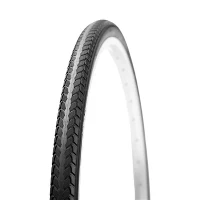
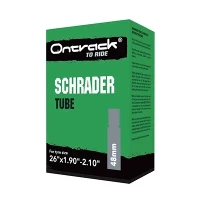
Hey there, fellow cyclists! As a supplier of butyl bicycle tubes, I've been getting a lot of questions lately about how these tubes stack up against inner tubes made from other materials. So, I thought I'd take the time to break it down for you and give you the lowdown on the pros and cons of butyl tubes compared to their counterparts.
What Are Butyl Bicycle Tubes?
First things first, let's talk about what butyl is. Butyl rubber is a synthetic rubber that's commonly used in the manufacturing of bicycle inner tubes. It's known for its excellent air retention properties, which means that your tires will stay inflated for longer periods of time compared to tubes made from other materials.
One of the main reasons why butyl tubes are so popular is because they're relatively inexpensive to produce. This makes them a great option for budget-conscious cyclists who still want a reliable and durable inner tube. Additionally, butyl tubes are resistant to punctures and abrasions, which means that they'll last longer and require less maintenance than other types of tubes.
How Do Butyl Tubes Compare to Other Materials?
Now that we know what butyl tubes are, let's take a look at how they compare to inner tubes made from other materials. There are several different types of materials that can be used to make bicycle inner tubes, including natural rubber, latex, and synthetic rubber compounds other than butyl.
Natural Rubber Tubes
Natural rubber tubes are made from the sap of rubber trees. They're known for their flexibility and comfort, which makes them a popular choice for cyclists who want a smooth and comfortable ride. However, natural rubber tubes are not as durable as butyl tubes and are more prone to punctures and leaks. They also have a shorter lifespan than butyl tubes and require more frequent replacement.
Latex Tubes
Latex tubes are made from a natural rubber compound that's similar to the sap of rubber trees. They're known for their high elasticity and low rolling resistance, which means that they'll provide a smoother and faster ride than other types of tubes. However, latex tubes are also more expensive than butyl tubes and are more prone to punctures and leaks. They also require more maintenance than butyl tubes and need to be inflated more frequently.
Other Synthetic Rubber Tubes
There are several different types of synthetic rubber compounds that can be used to make bicycle inner tubes. These compounds are designed to provide a combination of durability, flexibility, and comfort. However, they're not as widely used as butyl tubes and are often more expensive.
Advantages of Butyl Bicycle Tubes
Now that we've compared butyl tubes to other materials, let's take a look at some of the advantages of using butyl bicycle tubes.
Excellent Air Retention
One of the biggest advantages of butyl tubes is their excellent air retention properties. Butyl rubber is a dense material that's resistant to air leakage, which means that your tires will stay inflated for longer periods of time. This is especially important for cyclists who want to avoid the hassle of constantly checking and inflating their tires.
Durability
Butyl tubes are also known for their durability. They're resistant to punctures and abrasions, which means that they'll last longer and require less maintenance than other types of tubes. This is especially important for cyclists who ride on rough or uneven terrain.
Affordability
Another advantage of butyl tubes is their affordability. They're relatively inexpensive to produce, which means that they're a great option for budget-conscious cyclists. This is especially important for cyclists who are just starting out or who don't want to spend a lot of money on their equipment.
Compatibility
Butyl tubes are also compatible with a wide range of bicycle tires and rims. This means that you can use them with almost any type of bike, regardless of the make or model. This is especially important for cyclists who want to have the flexibility to switch between different types of tires and rims.
Disadvantages of Butyl Bicycle Tubes
While there are many advantages to using butyl bicycle tubes, there are also some disadvantages that you should be aware of.
Heavy
One of the biggest disadvantages of butyl tubes is their weight. Butyl rubber is a dense material, which means that butyl tubes are heavier than other types of tubes. This can make your bike feel slower and less responsive, especially when you're climbing hills or accelerating.
Low Elasticity
Butyl tubes also have a lower elasticity than other types of tubes. This means that they're not as flexible and may not provide as smooth of a ride as other types of tubes. This is especially important for cyclists who want a comfortable and responsive ride.
Limited Performance
Finally, butyl tubes may not provide the same level of performance as other types of tubes. They have a higher rolling resistance than latex tubes, which means that they may not be as fast or efficient. This is especially important for cyclists who are serious about racing or who want to achieve their best possible performance.
Conclusion
So, there you have it! That's a breakdown of how butyl bicycle tubes compare to inner tubes made from other materials. As you can see, there are both advantages and disadvantages to using butyl tubes, and the right choice for you will depend on your individual needs and preferences.


If you're a budget-conscious cyclist who wants a reliable and durable inner tube that will last for a long time, then butyl tubes are a great option. They're also a good choice for cyclists who ride on rough or uneven terrain and need a tube that's resistant to punctures and abrasions.
On the other hand, if you're a serious cyclist who wants the best possible performance and is willing to pay a premium for it, then you may want to consider using latex tubes or other high-performance synthetic rubber tubes. These tubes offer a combination of durability, flexibility, and comfort that's hard to beat.
If you're interested in purchasing butyl bicycle tubes, be sure to check out our selection of Bicycle Butyl Tube. We offer a wide range of sizes and styles to choose from, including 29 Inch Bicycle Inner Tubes and 27.5 Bicycle Tube. If you have any questions or would like to discuss your specific needs, feel free to reach out to us. We're here to help you find the perfect inner tubes for your bike and your riding style.
References
- "Bicycle Inner Tubes: A Guide to Materials and Types." Cycling Weekly, 2023.
- "The Pros and Cons of Different Bicycle Inner Tube Materials." Bicycling, 2022.
- "How to Choose the Right Bicycle Inner Tube." REI Co-op, 2021.