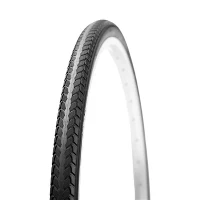
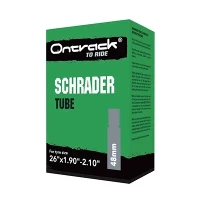
Adjusting the pressure of lightweight bicycle tubes is a crucial aspect of maintaining optimal performance and safety for cyclists. As a supplier of Lightweight Bicycle Tubes, I understand the significance of providing accurate information on this topic to our customers. In this blog post, I will share some insights and practical tips on how to adjust the pressure of lightweight bicycle tubes effectively.


Understanding the Importance of Proper Tube Pressure
Proper tube pressure plays a vital role in various aspects of cycling. Firstly, it affects the ride quality. A correctly inflated tube provides a smooth and comfortable ride by absorbing shocks and vibrations from the road surface. On the other hand, under - inflated tubes can make the ride feel bumpy and sluggish, as they tend to deform more easily under the weight of the cyclist.
Secondly, tube pressure impacts handling. Adequate pressure ensures better traction, allowing the tires to grip the road more effectively. This is especially important when cornering or braking, as it reduces the risk of skidding. Over - inflated tubes, however, can make the bike more difficult to control, as they provide less contact area with the road.
Finally, maintaining the right tube pressure is essential for the longevity of the tubes. Under - inflated tubes are more prone to pinch flats, where the tube gets squeezed between the tire and the rim, causing a puncture. Over - inflated tubes, on the other hand, are at a higher risk of bursting, especially when hitting a sharp object or a large pothole.
Factors Affecting Tube Pressure
Several factors influence the ideal pressure for lightweight bicycle tubes. These include the type of bike, the rider's weight, the riding surface, and the tire size.
-
Type of Bike: Different types of bikes require different tube pressures. Road bikes, for example, typically require higher pressures (usually between 80 - 130 psi) to reduce rolling resistance and increase speed. Mountain bikes, on the other hand, need lower pressures (around 25 - 35 psi) to provide better traction on rough terrain.
-
Rider's Weight: Heavier riders generally need to use higher tube pressures to support their weight. A general rule of thumb is to increase the pressure by about 2 - 3 psi for every 10 - 15 pounds of additional weight.
-
Riding Surface: The surface you ride on also affects the optimal tube pressure. For smooth roads, higher pressures are suitable as they reduce rolling resistance. On rough or uneven surfaces, lower pressures are better as they provide more shock absorption.
-
Tire Size: Smaller tires usually require higher pressures than larger ones. This is because smaller tires have a smaller contact area with the road, and higher pressure is needed to support the weight of the bike and the rider.
How to Check Tube Pressure
Before adjusting the tube pressure, you need to know the current pressure. You can use a tire pressure gauge to measure the pressure accurately. There are two main types of tire pressure gauges: analog and digital.
Analog gauges are the traditional type and are relatively inexpensive. They have a dial that shows the pressure reading. Digital gauges, on the other hand, are more accurate and easier to read, but they are usually more expensive.
To check the tube pressure, remove the valve cap from the tube valve. Press the pressure gauge firmly onto the valve. You may hear a small hiss of air, which is normal. Read the pressure on the gauge and compare it with the recommended pressure range for your bike.
Adjusting the Tube Pressure
Once you have determined the current pressure, you can adjust it as needed. To increase the pressure, you will need a bike pump. There are several types of bike pumps available, including floor pumps, hand pumps, and CO2 inflators.
-
Floor Pumps: Floor pumps are the most common type of pump used by cyclists. They are large and provide a high volume of air per stroke, making them ideal for quickly inflating tubes. To use a floor pump, attach the pump head to the tube valve. Make sure it is securely attached to prevent air leakage. Then, start pumping the handle up and down. Keep an eye on the pressure gauge on the pump to monitor the pressure. Stop pumping when you reach the desired pressure.
-
Hand Pumps: Hand pumps are more portable and convenient for on - the - road repairs. They are smaller and lighter than floor pumps but require more effort to use. To use a hand pump, attach the pump head to the valve and start pumping. It may take longer to reach the desired pressure compared to a floor pump.
-
CO2 Inflators: CO2 inflators are the fastest way to inflate a tube. They use compressed CO2 cartridges to quickly fill the tube. However, they are more expensive and less environmentally friendly than traditional pumps. To use a CO2 inflator, attach the inflator head to the valve and then attach a CO2 cartridge. Press the button on the inflator to release the CO2 into the tube.
If you need to decrease the pressure, you can simply press the valve core on the tube valve with a small object, such as a pen tip. This will release some air from the tube. Keep checking the pressure with a gauge until you reach the desired level.
Tips for Maintaining Proper Tube Pressure
- Regular Checks: Make it a habit to check the tube pressure regularly, at least once a week. This will help you catch any pressure issues early and prevent flats.
- Follow the Manufacturer's Recommendations: Always refer to the manufacturer's recommended pressure range for your specific bike and tubes. This information is usually printed on the sidewall of the tire.
- Be Careful with Temperature Changes: Temperature can affect tube pressure. As the temperature rises, the air inside the tube expands, causing the pressure to increase. Conversely, as the temperature drops, the pressure decreases. If you ride in different temperature conditions, you may need to adjust the pressure accordingly.
- Use Quality Tubes and Accessories: Investing in high - quality lightweight bicycle tubes and accessories, such as Super Lite Bicycle Inner Tube, can make a significant difference in performance and durability.
Conclusion
Adjusting the pressure of lightweight bicycle tubes is a simple yet important task that can greatly enhance your cycling experience. By understanding the factors that affect tube pressure, checking the pressure regularly, and adjusting it as needed, you can ensure optimal performance, safety, and longevity of your tubes.
If you are interested in purchasing high - quality lightweight bicycle tubes, we are here to assist you. Our Lightweight Bicycle Tubes are designed to meet the highest standards of quality and performance. We offer a wide range of options to suit different types of bikes and riding styles. Contact us today to start a procurement discussion and find the perfect tubes for your needs.
References
- Wilson, C. (2019). The Complete Guide to Bicycle Maintenance. Cycling Press.
- Smith, J. (2020). Understanding Bicycle Tires and Tubes. Biking World Magazine.
- Johnson, R. (2021). Optimal Tube Pressure for Different Riding Conditions. Cycling Science Journal.