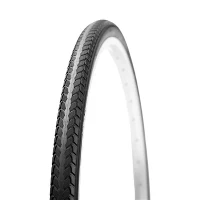
Selecting the right mountain bike (MTB) tires for a trail bike is a crucial decision that can significantly impact your riding experience. As an MTB bicycle tires supplier, I understand the importance of this choice and am here to guide you through the process. In this blog post, I'll share insights on various factors to consider when choosing MTB tires for your trail bike, along with some of our top product recommendations.
1. Tire Size
The first thing to consider when choosing MTB tires is the size. The size of your tires is typically indicated by two numbers, such as 26x2.1. The first number represents the diameter of the tire in inches, while the second number represents the width of the tire in inches.
-
Diameter: The most common tire diameters for MTB trail bikes are 26 inches, 27.5 inches, and 29 inches.
- 26 - inch tires are the traditional size and are known for their agility and quick handling. They are a great choice for technical trails with tight turns and obstacles.
- 27.5 - inch tires offer a good balance between the agility of 26 - inch tires and the rolling efficiency of 29 - inch tires. They are becoming increasingly popular for a wide range of trail riding.
- 29 - inch tires have a larger diameter, which allows them to roll over obstacles more easily and provides better traction. They are ideal for cross - country and fast - paced trail riding.
-
Width: Tire width affects the amount of traction, stability, and rolling resistance. Wider tires generally provide more traction and stability but may also have more rolling resistance. Narrower tires, on the other hand, offer less traction but better rolling efficiency. For trail riding, tire widths typically range from 1.9 inches to 2.5 inches. A width of around 2.1 - 2.3 inches is a popular choice for most trail bikes as it offers a good balance of traction and rolling efficiency.
2. Tread Pattern
The tread pattern of your MTB tires plays a vital role in determining their performance on different types of trails. There are several types of tread patterns available, each designed for specific trail conditions:
- Knobby Treads: Knobby treads are the most common type of tread pattern for MTB tires. They have large, widely spaced knobs that provide excellent traction on loose, muddy, or uneven terrain. Knobby tires are ideal for technical trails, cross - country riding, and downhill racing.
- Semi - Slick Treads: Semi - slick treads have a combination of knobs and a smooth center section. The smooth center section reduces rolling resistance and allows for faster speeds on hard - packed trails, while the knobs on the sides provide traction during cornering. Semi - slick tires are a good choice for mixed - terrain riding, including fire roads and hard - packed singletrack.
- Slick Treads: Slick treads have a completely smooth surface and are designed for maximum speed on hard, flat surfaces such as paved roads or smooth dirt paths. However, they offer very little traction on loose or wet terrain, so they are not suitable for most trail riding.
3. Compound
The rubber compound used in your MTB tires affects their grip, durability, and rolling resistance. There are generally two types of rubber compounds:
- Soft Compounds: Soft rubber compounds provide excellent grip, especially in wet or slippery conditions. They conform to the surface of the trail, allowing for better traction and cornering. However, soft compounds wear out more quickly than hard compounds, so they may not be the best choice for riders who cover a lot of miles or ride on abrasive terrain.
- Hard Compounds: Hard rubber compounds are more durable and have lower rolling resistance. They are a good choice for riders who prioritize longevity and efficiency over maximum grip. Hard - compound tires are suitable for dry, hard - packed trails and long - distance riding.
4. Tubeless vs. Tubed Tires
Another important decision when choosing MTB tires is whether to go with tubeless or tubed tires.
- Tubeless Tires: Tubeless tires do not require an inner tube. Instead, they seal directly to the rim, creating an airtight chamber. Tubeless tires offer several advantages, including lower rolling resistance, better traction, and the ability to run lower tire pressures without the risk of pinch flats. They also allow you to add sealant, which can help seal small punctures automatically. However, setting up tubeless tires can be more complicated and requires a compatible rim and valve.
- Tubed Tires: Tubed tires are the traditional option and are easier to install and maintain. They are also less expensive than tubeless tires. However, tubed tires are more prone to pinch flats and have higher rolling resistance compared to tubeless tires.
5. Our Product Recommendations
As an MTB bicycle tires supplier, we offer a range of high - quality tires to suit different trail riding needs. Here are some of our top products:
- MTB Bicycle Tires X - PACK: These tires feature a knobby tread pattern and a soft rubber compound, providing excellent traction on a variety of trail conditions. They are available in different sizes and widths to fit your specific bike.
- MTB Bicycle Tires TYPHOON: The TYPHOON tires are designed for fast - paced trail riding. They have a semi - slick tread pattern with a smooth center section for low rolling resistance and knobs on the sides for cornering traction. These tires are suitable for both cross - country and all - mountain riding.
- MTB Bicycle Tires WOLFTRACK: The WOLFTRACK tires are built for durability and performance on tough trails. They feature a hard - compound rubber and a knobby tread pattern that provides reliable traction on loose and rocky terrain. These tires are a great choice for riders who demand high - quality and long - lasting tires.
Conclusion
Choosing the right MTB tires for your trail bike is a personal decision that depends on your riding style, the type of trails you ride, and your budget. By considering factors such as tire size, tread pattern, compound, and whether to go tubeless or tubed, you can select the tires that will provide the best performance and riding experience for you.
If you're interested in purchasing our MTB bicycle tires or have any questions about our products, we encourage you to contact us for a procurement discussion. We're here to help you find the perfect tires for your trail bike.


References
- "The Mountain Bike Bible" by Joe Murray
- "Bicycling Magazine" - various issues on MTB tire technology and reviews.