When it comes to cycling, having the right equipment can make all the difference in your riding experience. One crucial component that often gets overlooked is the bicycle tube. As a supplier of high-quality TPU bicycle tubes, I understand the importance of choosing the right size for your bike. In this blog post, I'll share some insights on how to select the appropriate size of TPU bicycle tubes to ensure a smooth and safe ride.
Understanding TPU Bicycle Tubes
Before we delve into the sizing process, let's briefly discuss what TPU (Thermoplastic Polyurethane) bicycle tubes are. TPU is a versatile material known for its excellent properties, such as high elasticity, durability, and resistance to punctures. TPU bicycle tubes are lighter than traditional rubber tubes, which can improve the overall performance of your bike by reducing weight and rolling resistance. Additionally, TPU tubes are more flexible, allowing for a better fit inside the tire and providing a more comfortable ride.
If you're interested in exploring our range of TPU bicycle tubes, you can check out our TPU Bicycle Inner Tubes page.
Factors to Consider When Choosing TPU Bicycle Tube Size
1. Tire Size
The first and most important factor to consider when choosing a TPU bicycle tube is the size of your bike's tire. Tire sizes are typically printed on the sidewall of the tire and are represented by a combination of numbers and letters. The most common format is something like "26 x 1.75", where "26" refers to the diameter of the tire in inches, and "1.75" refers to the width of the tire in inches.

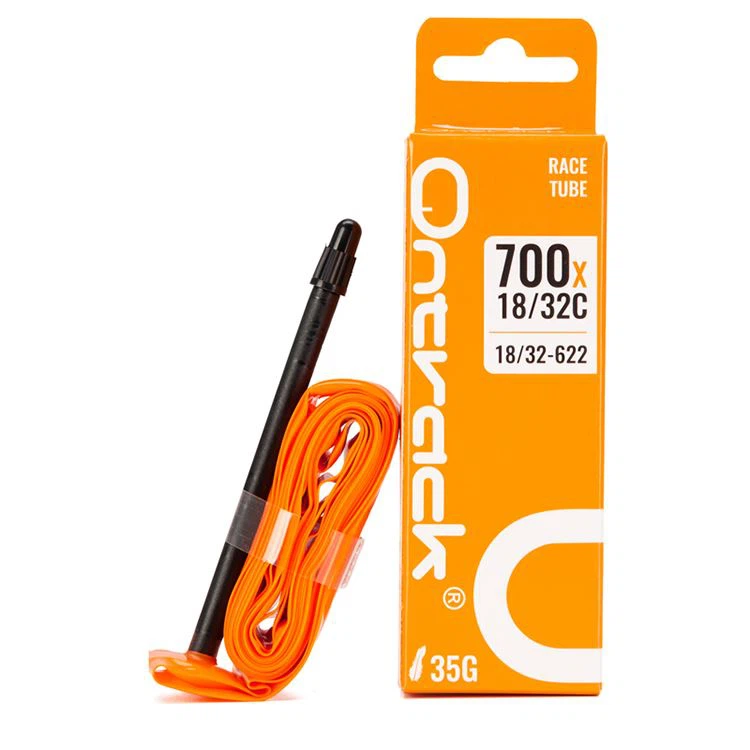
It's crucial to choose a TPU tube that matches the size of your tire. Using a tube that is too small may result in the tube being stretched too tightly, increasing the risk of punctures and blowouts. On the other hand, using a tube that is too large may cause the tube to bunch up inside the tire, leading to an uneven ride and potential handling issues.
2. Rim Width
In addition to tire size, you also need to consider the width of your bike's rim. The rim width can affect the compatibility of the TPU tube with your tire. Generally, wider rims require wider tubes to ensure a proper fit. You can find the rim width specification on the rim itself or in your bike's user manual.
As a general rule of thumb, the tube width should be within the recommended range for your rim width. Most TPU tube manufacturers provide a range of compatible rim widths on their product packaging or website. Make sure to check these specifications before making a purchase.
3. Riding Style and Terrain
Your riding style and the type of terrain you typically ride on can also influence the choice of TPU tube size. If you're an aggressive rider who likes to tackle rough terrain and jumps, you may want to choose a slightly wider tube for added durability and support. A wider tube can better withstand the impacts and stresses associated with off-road riding.
On the other hand, if you're a casual rider who mostly sticks to smooth roads and bike paths, a narrower tube may be sufficient. Narrower tubes are lighter and can offer lower rolling resistance, which can improve your speed and efficiency on flat terrain.
4. Valve Type
Another important consideration when choosing a TPU bicycle tube is the valve type. There are two main types of valves commonly used in bicycle tubes: Presta and Schrader. Presta valves are thinner and longer, typically found on high-performance road bikes and some mountain bikes. Schrader valves are wider and shorter, similar to the valves used in car tires, and are more commonly found on hybrid bikes, commuter bikes, and some mountain bikes.
Make sure to choose a TPU tube with the correct valve type for your bike's rims. Using the wrong valve type can make it difficult or impossible to inflate the tube properly.
How to Measure Your Tire and Rim
If you're unsure about the size of your bike's tire or rim, you can easily measure them using a tape measure or a caliper. Here's how:
Measuring Tire Size
To measure the diameter of your tire, place the bike on a flat surface and measure the distance from the ground to the top of the tire. Multiply this measurement by 2 to get the diameter of the tire. To measure the width of the tire, measure the distance across the widest part of the tire.
Measuring Rim Width
To measure the width of your rim, use a caliper to measure the distance between the inner edges of the rim where the tire sits. Make sure to measure at the center of the rim, as the width may vary slightly at different points.
Our Ultralight TPU Inner Tube
At our company, we offer a wide range of TPU bicycle tubes to suit different needs and preferences. One of our popular products is the Ultralight TPU Inner Tube. This tube is made from high-quality TPU material, which provides excellent durability and puncture resistance while keeping the weight to a minimum.
The Ultralight TPU Inner Tube is available in a variety of sizes to fit different tire and rim combinations. Whether you're a road cyclist looking for a lightweight tube to improve your speed or a mountain biker in need of a durable tube for off-road riding, our Ultralight TPU Inner Tube is a great choice.
Conclusion
Choosing the right size of TPU bicycle tubes is essential for a safe and enjoyable riding experience. By considering factors such as tire size, rim width, riding style, and valve type, you can select the perfect tube for your bike. At our company, we're committed to providing high-quality TPU bicycle tubes that meet the needs of cyclists of all levels.
If you have any questions or need further assistance in choosing the right size of TPU bicycle tubes, please don't hesitate to contact us. We're here to help you make the best decision for your cycling needs. Whether you're a professional cyclist or a casual rider, we have the perfect TPU tube for you. Start your journey with our top-notch TPU bicycle tubes and experience the difference in performance and comfort.
References
- Bicycle Tire and Tube Sizing Guide, Various Cycling Resources
- TPU Material Properties and Applications in Bicycles, Industry Research Papers