Hey there, fellow cycling enthusiasts! I'm [Your Name], and I run a bicycle valves supply business. Today, I'm gonna share with you how to install valves on carbon fiber rims. Carbon fiber rims are super popular these days because they're lightweight and strong, but installing valves on them can be a bit tricky. But don't worry, I've got you covered with some easy - to - follow steps.
Why Carbon Fiber Rims?
Before we jump into the installation process, let me quickly tell you why carbon fiber rims are so great. They offer better performance compared to traditional aluminum rims. They're lighter, which means you can pedal faster and climb hills more easily. They also absorb vibrations better, giving you a smoother ride. And let's not forget about the cool look they add to your bike. But when it comes to valves, we need to be extra careful because carbon fiber is a bit more delicate than other materials.
Tools You'll Need
First things first, you gotta gather the right tools for the job. Here's what you'll need:
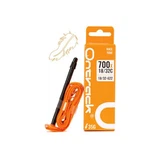
- A valve, of course. I highly recommend our Bicycle Tubeless Valve. It's designed to work perfectly with carbon fiber rims.
- A valve core tool. You'll use this to remove and install the valve core.
- A tire lever. This helps you remove and install the tire.
- Some soapy water. It'll make it easier to slide the valve in and out.
- A torque wrench. This is important for tightening the valve to the correct specifications.
Preparing the Rim
The first step is to prepare the carbon fiber rim. Start by removing the tire from the rim. Use the tire lever to gently pry the tire off. Be really careful not to scratch the carbon fiber. Once the tire is off, clean the rim thoroughly. Remove any dirt, debris, or old sealant. You can use a mild detergent and a soft brush to do this. Make sure the rim is completely dry before you move on.
Choosing the Right Valve
Now, let's talk about choosing the right valve. As I mentioned earlier, our Bicycle Tubeless Valve is a great option. When selecting a valve, you need to consider a few things. The length of the valve is crucial. It should be long enough to protrude through the rim and allow you to attach the pump or inflator. The diameter of the valve also matters. It needs to fit snugly into the valve hole in the rim.
Installing the Valve
Once you've got the right valve, it's time to install it. Here's how you do it:
- Lubricate the Valve: Dip the valve in soapy water. This will make it easier to insert into the valve hole in the rim.
- Insert the Valve: Carefully insert the valve through the valve hole from the inside of the rim. Make sure it goes in straight. You might need to wiggle it a bit to get it in place.
- Attach the Washer and Nut: On the outside of the rim, place the washer over the valve stem. Then, screw on the nut. Don't tighten it too much yet.
- Tighten the Valve: Use the torque wrench to tighten the nut to the manufacturer's recommended torque. This is really important because over - tightening can damage the carbon fiber rim, and under - tightening can cause air leaks.
Checking for Leaks
After you've installed the valve, it's time to check for leaks. Here's what you do:
- Inflate the Tire: Put the tire back on the rim. Then, use a pump to inflate the tire to the recommended pressure.
- Check for Leaks: Apply some soapy water around the valve stem and the area where the valve meets the rim. If you see bubbles forming, that means there's a leak. You'll need to tighten the nut a bit more or check if the valve is seated correctly.
Sealing the Rim
If you're using a tubeless setup, you'll need to seal the rim to prevent air leaks. Here's how:
- Apply Sealant: Pour some tubeless sealant into the tire. The amount of sealant you need depends on the size of the tire.
- Rotate the Tire: Once you've added the sealant, rotate the tire to spread the sealant evenly inside. This will help seal any small holes or gaps in the rim.
- Re - inflate the Tire: After spreading the sealant, re - inflate the tire to the recommended pressure. Check for leaks again using the soapy water method.
Tips and Tricks
- Take Your Time: Installing valves on carbon fiber rims is not a race. Take your time to do it right. Rushing can lead to mistakes and damage to the rim.
- Follow the Instructions: Always follow the manufacturer's instructions for both the valve and the rim. Different rims and valves may have specific installation requirements.
- Inspect Regularly: After you've installed the valve, inspect it regularly for any signs of wear or damage. Replace the valve if necessary.
Troubleshooting
Sometimes, things don't go as planned. Here are some common problems you might encounter and how to fix them:
- Valve Won't Go In: If the valve won't go in the valve hole, make sure it's the right size. You may also need to clean the valve hole more thoroughly.
- Air Leaks: If you're getting air leaks around the valve, check if the nut is tightened correctly. You may also need to add more sealant.
- Valve Core Issues: If you're having trouble with the valve core, use the valve core tool to remove it and inspect it. Replace the valve core if it's damaged.
Conclusion
Installing valves on carbon fiber rims may seem a bit daunting at first, but with the right tools, the right valve, and a bit of patience, you can do it like a pro. Remember, our Bicycle Tubeless Valve is a great choice for your carbon fiber rims.
If you're interested in purchasing high - quality bicycle valves for your carbon fiber rims or have any questions about the installation process, feel free to reach out to us. We're here to help you get the most out of your cycling experience. Whether you're a casual rider or a professional cyclist, having the right valves on your carbon fiber rims can make a big difference. So, don't hesitate to contact us for all your bicycle valve needs.


References
- "The Ultimate Guide to Carbon Fiber Rims" - Cycling Magazine
- Bicycle Valve Manufacturer's Installation Manual
- "Tubeless Tire Setup for Beginners" - Online Cycling Resource