

Hey there, fellow cycling enthusiasts! I'm a supplier of TPU bicycle tubes, and I'm super stoked to dive into how these bad boys perform on gravel roads. Gravel riding has been gaining some serious popularity lately, and choosing the right tubes can make a world of difference in your riding experience. So, let's get into it!
Why TPU Tubes?
First off, let's talk about what makes TPU (Thermoplastic Polyurethane) tubes so special. TPU is a high - performance material that offers a bunch of advantages over traditional rubber tubes. One of the most significant perks is their lightweight nature. Compared to rubber tubes, TPU tubes can shave off a fair amount of weight from your bike. This means less effort when you're pedaling up those gravelly hills.
Another great thing about TPU tubes is their flexibility. They can adapt well to different road conditions, including the uneven surfaces you'll find on gravel roads. This flexibility helps in maintaining a better contact between the tire and the ground, which in turn improves traction. And let's face it, good traction is crucial when you're riding on loose gravel, as it keeps you stable and in control.
Performance on Gravel Roads
Puncture Resistance
Gravel roads are full of sharp rocks and debris, so puncture resistance is a top priority. TPU tubes are known for their excellent puncture - resistant properties. The material is tough and can withstand a fair amount of abuse from those pesky gravel bits. Unlike rubber tubes, which can be more prone to getting punctured by small stones, TPU tubes have a better chance of keeping you rolling without a flat.
However, it's important to note that no tube is completely puncture - proof. But with TPU tubes, you're definitely reducing the risk. For example, if you're riding on a gravel road with lots of sharp flint stones, a TPU tube is more likely to bounce off those stones rather than getting pierced compared to a rubber tube.
Rolling Resistance
Rolling resistance is another key factor when it comes to cycling on gravel roads. You want a tube that allows your bike to roll smoothly with as little effort as possible. TPU tubes have a relatively low rolling resistance. The smooth surface of the TPU material means that there's less friction between the tube and the tire, which translates to a more efficient ride.
When you're riding on gravel, where the surface is already rough and requires extra energy to move forward, having a tube with low rolling resistance can make a big difference. You'll be able to maintain a better speed with less pedaling effort, which is great for long - distance gravel rides.
Comfort
Comfort is often overlooked, but it's essential for an enjoyable gravel riding experience. TPU tubes can contribute to a more comfortable ride. Their flexibility allows them to absorb some of the shocks and vibrations from the uneven gravel surface. This means less jolting and bouncing for you, which is a huge plus, especially on longer rides.
Think about it like this: when you hit a big rock or a pothole on a gravel road, a TPU tube will flex and cushion the impact, rather than transferring all that force directly to your body. This can help reduce fatigue and make your ride more pleasant.
Our TPU Bicycle Tubes
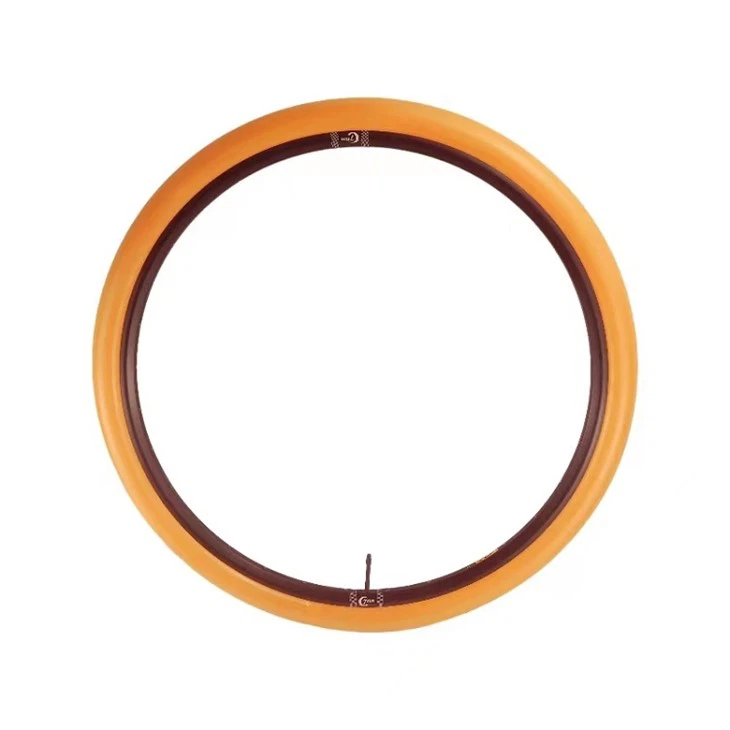
At our company, we offer a range of high - quality TPU bicycle tubes. Our Ultralight TPU Inner Tube is a game - changer for gravel riders. It's incredibly lightweight, which is perfect for those who want to shave off every possible gram from their bike. This tube is designed to provide excellent puncture resistance and low rolling resistance, making it ideal for gravel road adventures.
We also have our TPU Bicycle Inner Tubes series, which comes in different sizes to fit various bike tires. These tubes are made with the highest quality TPU material, ensuring durability and performance on all types of gravel roads. Whether you're a casual gravel rider or a hardcore cyclist, our TPU tubes are sure to meet your needs.
Maintenance
Maintaining TPU tubes is relatively easy. They don't require any special treatment like some other types of tubes. Just make sure to check the air pressure regularly. Proper air pressure is crucial for the performance of the tube. On gravel roads, you might want to adjust the air pressure slightly lower than on smooth roads to increase the tire's contact area with the ground and improve traction.
Also, after a long gravel ride, it's a good idea to inspect the tube for any signs of damage. If you notice any small cuts or abrasions, you can patch them up using a TPU - compatible patch kit. This will help extend the life of your tube and keep it performing at its best.
Real - World Experiences
I've heard from many of our customers who have used our TPU tubes on gravel roads. One customer, John, went on a 100 - mile gravel race. He was initially skeptical about switching from his old rubber tubes to TPU tubes, but he decided to give them a try. He was blown away by the performance. He said that the low rolling resistance allowed him to keep a good pace throughout the race, and he didn't have a single flat, even though the road was full of sharp rocks.
Another customer, Sarah, uses our TPU tubes for her weekend gravel rides. She loves how comfortable the ride is. She said that the flexibility of the tubes really helps in absorbing the bumps on the gravel roads, and she doesn't feel as tired after a long ride compared to when she used rubber tubes.

Conclusion
In conclusion, TPU bicycle tubes are a great choice for gravel road riding. They offer excellent puncture resistance, low rolling resistance, and enhanced comfort. Whether you're a beginner or an experienced gravel rider, our TPU tubes can take your riding experience to the next level.
If you're interested in purchasing our TPU bicycle tubes or have any questions about them, don't hesitate to reach out. We're always happy to help you find the right tubes for your bike and your riding style. Let's get you rolling on those gravel roads with confidence!
References
- "The Science of Cycling Tubes" - Cycling Science Journal
- "Gravel Riding: Best Practices and Equipment" - Gravel Cycling Magazine


