

Hey there, fellow cycling enthusiasts! As a supplier of TPU bicycle tubes, I've gotten a ton of questions about how these tubes perform on sandy beaches. Well, you're in the right place because I'm gonna break it all down for you.
First off, let's talk about what TPU is. TPU stands for thermoplastic polyurethane. It's a super - cool material that's been making waves in the cycling world. Unlike traditional rubber tubes, TPU has some unique properties that can be a game - changer, especially when you're riding on sandy beaches.
One of the biggest advantages of TPU tubes is their lightweight nature. Check out our Ultralight TPU Inner Tube. These tubes are significantly lighter than their rubber counterparts. On a sandy beach, where every bit of extra weight can make pedaling a struggle, having a lightweight tube can really help. You won't feel like you're dragging an anchor behind you as you try to navigate through the soft sand. It allows you to maintain a better speed and makes the whole riding experience a lot more enjoyable.
Another great thing about TPU is its flexibility. The material can easily adapt to the uneven surface of the beach. When you're riding on sand, the ground is constantly shifting, and your bike's wheels are going to encounter all sorts of bumps and dips. TPU tubes can flex and bend with the wheel, providing a smoother ride. This flexibility also helps in reducing the risk of pinch flats. Pinch flats happen when the tube gets squeezed between the rim and an object on the ground. On a beach, there could be small rocks or shells hidden in the sand. The flexibility of TPU tubes allows them to absorb the shock and avoid getting pinched.
Now, let's talk about puncture resistance. TPU tubes are known for being more puncture - resistant than regular rubber tubes. When you're on a sandy beach, there are all kinds of sharp objects that could potentially puncture your tube. Broken shells, pieces of glass, or even thorns from beach plants are all hazards. Our TPU Bicycle Inner Tubes are designed to withstand these challenges. The strong TPU material acts as a barrier, reducing the likelihood of a puncture. This means less time spent fixing flats and more time enjoying your ride on the beach.
But it's not all sunshine and rainbows. There are a few things to keep in mind when using TPU tubes on sandy beaches. One issue is the heat. TPU can be sensitive to high temperatures. On a hot summer day, the sand on the beach can get extremely hot, and this heat can transfer to the tubes. If the temperature gets too high, the TPU material might start to degrade over time. To prevent this, it's a good idea to avoid riding during the hottest part of the day. Also, make sure to keep an eye on the pressure of your tubes. High temperatures can cause the air inside the tubes to expand, increasing the pressure. Over - inflated tubes are more prone to bursting.
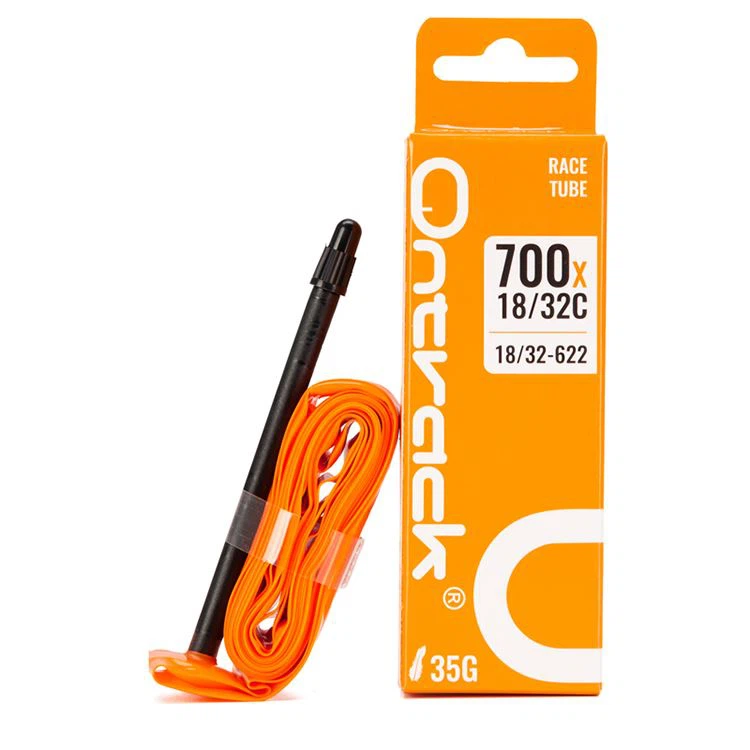

Another thing to consider is the installation. TPU tubes are a bit more delicate than rubber tubes. When you're installing them on your bike's wheels, you need to be extra careful. Make sure not to pinch or stretch the tube too much. If you're not confident in your tube - changing skills, it might be a good idea to have a professional do it for you.
In terms of air retention, TPU tubes are pretty good. They can hold air for a longer time compared to rubber tubes. This is great for beach rides because you don't want to have to stop every few miles to pump up your tires. However, you still need to check the pressure regularly, especially if you're going on a long ride.
Now, let's compare TPU tubes to other types of tubes on the market. Rubber tubes are the most common, but they're heavy and not as puncture - resistant. There are also butyl tubes, which are known for their good air retention. But they lack the flexibility and lightweight properties of TPU tubes. For beach riding, TPU tubes offer a great balance of performance features.
If you're thinking about taking your bike to the beach more often, investing in TPU tubes is a smart move. They can enhance your riding experience, reduce the risk of flats, and make your bike easier to handle on the soft sand. Whether you're a casual beach rider or a more serious cyclist looking for a new challenge, TPU tubes can meet your needs.
As a TPU bicycle tube supplier, I'm always here to answer any questions you might have. If you're interested in purchasing our TPU tubes, we're more than happy to have a chat about your specific requirements. We can help you choose the right tubes for your bike and your riding style. Whether you're looking for the ultralight option or a more heavy - duty tube for rough beach conditions, we've got you covered. So, don't hesitate to reach out and start a conversation about how our TPU tubes can take your beach rides to the next level.
References:
- General knowledge of cycling equipment and materials
- Product research and development data from our TPU tube production


