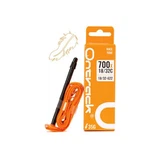
As a supplier of Bicycle Tubeless Valve, I've witnessed firsthand the growing popularity of tubeless technology in the cycling world. Tubeless setups offer numerous advantages, including lower rolling resistance, better traction, and the ability to run lower tire pressures without the risk of pinch flats. At the heart of a tubeless system lies the tubeless valve, a seemingly simple component that plays a crucial role in the interaction with sealant. In this blog post, I'll delve into the fascinating world of how a bicycle tubeless valve interacts with sealant and why it matters for your cycling experience.
The Basics of a Bicycle Tubeless Valve
Before we explore the interaction with sealant, let's first understand the basic structure and function of a bicycle tubeless valve. A tubeless valve is typically made of a threaded stem that protrudes through the rim, a valve core that controls the flow of air, and a base that seals against the rim. The valve stem is usually made of either aluminum or brass, while the valve core is a small, screw-in component that can be removed for adding or releasing air.
The primary function of a tubeless valve is to allow air to be pumped into the tire while preventing it from escaping. It also serves as a port for adding sealant to the tire. When properly installed, the valve creates an airtight seal between the tire and the rim, ensuring that the tire maintains its pressure and stays inflated.
The Role of Sealant in a Tubeless System
Sealant is a key component of a tubeless system. It is a liquid substance that is added to the tire to seal small punctures and prevent air from leaking out. Sealant typically contains a mixture of latex, water, and other additives that help it adhere to the inside of the tire and form a seal around any holes or tears.
When a puncture occurs, the sealant is forced into the hole by the air pressure inside the tire. The latex in the sealant coagulates and forms a plug, sealing the puncture and preventing air from escaping. This allows you to continue riding without having to stop and change a flat tire.
How a Tubeless Valve Interacts with Sealant
Now that we understand the basics of a tubeless valve and sealant, let's explore how they interact with each other. The interaction between a tubeless valve and sealant can be divided into three main stages: installation, use, and maintenance.
Installation
During the installation process, the tubeless valve plays a crucial role in adding sealant to the tire. To add sealant, you first need to remove the valve core from the valve stem. This allows the sealant to be poured into the tire through the valve opening. Once the desired amount of sealant has been added, the valve core is reinstalled, and the tire is inflated to the recommended pressure.
It's important to ensure that the valve core is tightened properly during installation to prevent air and sealant from leaking out. A loose valve core can cause the sealant to seep out of the valve, leading to a loss of pressure and reduced sealing effectiveness.
Use
During normal use, the tubeless valve and sealant work together to maintain the integrity of the tubeless system. The valve ensures that the tire remains inflated by preventing air from escaping, while the sealant seals any punctures that may occur.
As the tire rotates, the sealant is distributed evenly around the inside of the tire, coating the entire surface. This helps to ensure that any punctures are quickly sealed as soon as they occur. The valve also helps to prevent the sealant from drying out by keeping the air inside the tire moist.
However, over time, the sealant can dry out and lose its effectiveness. This can happen if the tire is left unused for an extended period or if the sealant is not replaced regularly. When the sealant dries out, it can become hard and brittle, making it less effective at sealing punctures.
Maintenance
Regular maintenance is essential to ensure that the tubeless valve and sealant continue to work effectively. One of the most important maintenance tasks is to check the sealant level regularly and add more if necessary. Over time, the sealant can evaporate or be used up to seal punctures, so it's important to keep an eye on the level and top it up as needed.
Another important maintenance task is to replace the valve core periodically. The valve core can become worn or damaged over time, which can cause air and sealant to leak out. By replacing the valve core regularly, you can ensure that the valve remains airtight and that the sealant is contained within the tire.
It's also a good idea to clean the valve stem and base regularly to remove any dirt or debris that may have accumulated. This can help to prevent the valve from becoming clogged and ensure that it functions properly.
The Importance of Choosing the Right Tubeless Valve
Choosing the right tubeless valve is crucial for ensuring a successful tubeless setup. There are several factors to consider when choosing a tubeless valve, including the type of rim, the tire size, and the intended use of the bike.


For example, if you have a deep-section rim, you may need a longer valve stem to ensure that it protrudes through the rim and allows for easy inflation. If you are using a wide tire, you may need a valve with a larger diameter to accommodate the increased volume of air and sealant.
It's also important to choose a high-quality tubeless valve that is made from durable materials and is designed to work effectively with sealant. A cheap or poorly made valve may not create a proper seal, leading to air and sealant leaks.
Conclusion
In conclusion, the interaction between a bicycle tubeless valve and sealant is a complex and important process that plays a crucial role in the performance and reliability of a tubeless system. By understanding how these components work together, you can ensure that your tubeless setup is properly installed, maintained, and functioning at its best.
As a supplier of Bicycle Tubeless Valve, I am committed to providing high-quality products that are designed to work effectively with sealant and meet the needs of cyclists of all levels. If you have any questions or need assistance with choosing the right tubeless valve for your bike, please don't hesitate to contact us. We would be happy to help you make the right decision and ensure that you have a safe and enjoyable cycling experience.
References
- "Tubeless Tire Technology: A Comprehensive Guide." Bicycle Retailer and Industry News.
- "How to Set Up Tubeless Tires." Park Tool Company.
- "The Benefits of Tubeless Tires." CyclingTips.