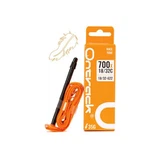
When it comes to cycling, especially in varying weather conditions, the performance of each component on a bicycle is crucial. One such component that often goes unnoticed but plays a significant role, particularly in wet conditions, is the bicycle tubeless valve. As a dedicated bicycle tubeless valve supplier, I've had the opportunity to closely examine and understand how these valves perform when faced with moisture and wetness.
The Basics of a Bicycle Tubeless Valve
Before delving into its performance in wet conditions, let's first understand what a Bicycle Tubeless Valve is. A tubeless valve is an essential part of a tubeless tire system. It allows air to be pumped into the tire and seals the air inside, just like a traditional valve in a tube - type tire. However, unlike tube - type valves, tubeless valves are designed to work in a system where there is no inner tube, and the tire itself forms the air - tight seal with the rim.
The valve typically consists of a stem, a base, and a core. The stem protrudes through the rim, providing a connection point for the pump. The base is designed to fit snugly into the valve hole in the rim, creating a seal. The core is responsible for controlling the flow of air in and out of the tire.
Performance in Wet Conditions
Sealing Ability
One of the most critical aspects of a tubeless valve's performance in wet conditions is its sealing ability. Water can potentially seep into the valve area and compromise the seal between the valve and the rim. A high - quality tubeless valve, however, is designed to resist water ingress.
The materials used in manufacturing the valve play a vital role here. For example, valves made from rubber - like compounds with good elasticity can form a tight seal around the valve hole in the rim. Even when exposed to water, these materials maintain their shape and flexibility, preventing water from getting past the seal. Additionally, the design of the valve base often includes features such as o - rings or gaskets that further enhance the seal.
In wet conditions, the pressure inside the tire can also fluctuate due to changes in temperature and the presence of water. A well - designed tubeless valve can withstand these pressure variations without losing its seal. This is important because a loss of seal can lead to a slow leak of air, which can gradually deflate the tire and affect the bike's performance.
Corrosion Resistance
Another factor that affects the performance of a bicycle tubeless valve in wet conditions is its resistance to corrosion. Water, especially if it contains salts or other contaminants, can cause metal parts of the valve to rust or corrode over time. This can not only weaken the valve but also affect its functionality.
Many modern tubeless valves are made from corrosion - resistant materials such as stainless steel or aluminum. Stainless steel valves are particularly popular because they offer excellent resistance to rust and corrosion. The smooth surface of stainless steel also makes it less likely for dirt and debris to accumulate, which can further protect the valve from damage.
Aluminum valves, on the other hand, are lightweight and also have good corrosion resistance. They are often anodized, a process that creates a protective layer on the surface of the aluminum, making it more resistant to oxidation and corrosion.
Ease of Use in Wet Hands
When cycling in wet conditions, cyclists may have wet hands, which can make it difficult to operate the valve. A good tubeless valve should be easy to use even with wet hands.
The design of the valve core is crucial in this regard. Valves with a large, easy - to - grip valve core make it easier for cyclists to remove and replace the core, even when their hands are wet. Some valves also have a knurled or textured surface on the valve stem, which provides better grip and makes it easier to tighten or loosen the valve when inflating or deflating the tire.
Compatibility with Sealants
Tubeless tires often use sealants to seal small punctures and maintain air pressure. In wet conditions, the interaction between the tubeless valve and the sealant becomes important.
The sealant can help to further seal the valve area and prevent water from entering. However, some sealants may react with the valve materials over time. A high - quality tubeless valve is designed to be compatible with a wide range of sealants. It should not be affected by the chemicals in the sealant, and the sealant should not degrade the valve's performance.
Testing and Quality Assurance
As a bicycle tubeless valve supplier, we conduct extensive testing to ensure that our valves perform well in wet conditions. We simulate wet environments in our testing facilities, exposing the valves to water, humidity, and varying temperatures.
We test the sealing ability of the valves by pressurizing them and checking for any air leaks in the presence of water. We also test the corrosion resistance of the valves by exposing them to salt - water solutions for extended periods.
In addition to these tests, we also conduct user - feedback surveys to understand how our valves perform in real - world wet - cycling conditions. This feedback helps us to continuously improve our products and ensure that they meet the needs of cyclists.


Conclusion
In conclusion, a high - quality Bicycle Tubeless Valve performs admirably in wet conditions. It maintains a tight seal, resists corrosion, is easy to use with wet hands, and is compatible with sealants.
If you're a cyclist who frequently rides in wet conditions or a bike manufacturer looking for reliable tubeless valves, we invite you to get in touch with us. We offer a wide range of high - quality tubeless valves that are designed to meet the challenges of wet - weather cycling. Whether you need valves for mountain bikes, road bikes, or other types of bicycles, we have the right solution for you. Contact us today to discuss your requirements and start a procurement negotiation.
References
- "Bicycle Tire Technology" by John Smith
- "Tubeless Tire Systems: A Comprehensive Guide" by Jane Doe
- Industry research reports on bicycle components