

As a seasoned supplier of bicycle PVC rim tape, I've witnessed firsthand how the quality of this seemingly minor component can significantly impact a bicycle's overall performance. In this blog post, I'll delve into the various aspects of bicycle PVC rim tape quality and its implications for cyclists.
Material and Durability
The quality of the PVC material used in rim tape is crucial. High - quality PVC rim tape is made from durable, thick - gauge materials. This thickness provides a robust barrier between the spoke holes in the rim and the inner tube. Inferior PVC rim tapes may be thin and prone to tearing or puncturing. When a rim tape tears, it exposes the inner tube to the sharp edges of the spoke holes, increasing the risk of flats.
For example, our Bicycle Wheel Rim Tape is crafted from premium PVC that can withstand the rigors of daily use. It resists abrasion from the spoke heads and the constant flexing of the wheel during rides. In contrast, low - quality tapes may start to show signs of wear after just a few rides, leading to premature failure and potential safety hazards.
Adhesive Quality
Another key factor is the adhesive used to attach the rim tape to the rim. A strong, long - lasting adhesive ensures that the rim tape stays in place, even under high - stress conditions. Good quality adhesive bonds firmly to the rim surface, preventing the tape from shifting or coming loose.
If the adhesive is weak, the rim tape can peel away from the rim. This not only disrupts the integrity of the wheel but can also cause the inner tube to become pinched between the tape and the rim, resulting in a flat tire. Our products are designed with high - performance adhesives that are specifically formulated to provide a secure and permanent bond. This gives cyclists peace of mind, knowing that their rim tape will stay put throughout their rides.
Precision Cutting and Fit
The precision of the cutting and the fit of the rim tape are essential for optimal performance. A well - cut rim tape will match the shape and size of the rim perfectly. It should cover all the spoke holes evenly, without any gaps or overlaps.
Poorly cut rim tapes may leave some spoke holes exposed, increasing the risk of punctures. On the other hand, overlapping tapes can create uneven surfaces, which can cause the inner tube to bulge or develop weak spots. Our Bicycle Tyre Liner and Bicycle Nylon Rim Tape products are cut with extreme precision to ensure a seamless fit on a wide range of rim sizes. This precision not only enhances safety but also improves the overall ride quality.
Impact on Ride Quality
The quality of the rim tape can also have a direct impact on the ride quality. A high - quality rim tape provides a smooth surface for the inner tube to rest on. This reduces friction between the inner tube and the rim, allowing for a more efficient transfer of power from the pedals to the wheels.
When the rim tape is of poor quality, it can create an uneven surface, which causes the inner tube to rub against the rim. This friction can lead to increased rolling resistance, making it harder for the cyclist to pedal. Additionally, the vibrations caused by an uneven rim tape can be transmitted to the rider, resulting in a less comfortable ride.
Compatibility with Different Rim Types
Bicycle rims come in a variety of shapes and sizes, and the rim tape needs to be compatible with these different types. High - quality PVC rim tapes are designed to work with a wide range of rim profiles, including deep - section rims, shallow - section rims, and tubular rims.
Incompatible rim tapes may not fit properly on certain rim types, leading to installation difficulties and potential performance issues. Our products are engineered to be versatile, ensuring that they can be used with different rim designs. This flexibility makes our rim tapes a popular choice among cyclists and bike manufacturers alike.
Safety Considerations
Safety is paramount when it comes to cycling, and the quality of the rim tape plays a significant role in ensuring a safe ride. A reliable rim tape protects the inner tube from punctures, which can prevent sudden flats while riding. A flat tire at high speeds can be extremely dangerous, potentially causing the cyclist to lose control of the bike.
By using high - quality rim tape, cyclists can reduce the risk of flats and enhance their overall safety on the road. Our commitment to quality means that we test our products rigorously to ensure that they meet the highest safety standards.
Cost - Benefit Analysis
While high - quality bicycle PVC rim tapes may come at a slightly higher cost compared to their low - quality counterparts, the benefits far outweigh the additional expense. The reduced risk of flats means fewer interruptions during rides, less time spent on repairs, and lower long - term costs associated with replacing inner tubes.
In addition, the improved ride quality and safety provided by high - quality rim tapes enhance the overall cycling experience. Cyclists can focus on enjoying their rides without having to worry about the reliability of their equipment.
Conclusion
In conclusion, the quality of bicycle PVC rim tape has a profound impact on a bicycle's performance, ride quality, and safety. From the material and adhesive quality to the precision cutting and compatibility, every aspect of the rim tape plays a crucial role in ensuring optimal performance.
As a supplier, we are dedicated to providing the highest - quality rim tapes that meet the diverse needs of cyclists. Our products are designed to offer durability, reliability, and a perfect fit for a wide range of rim types.
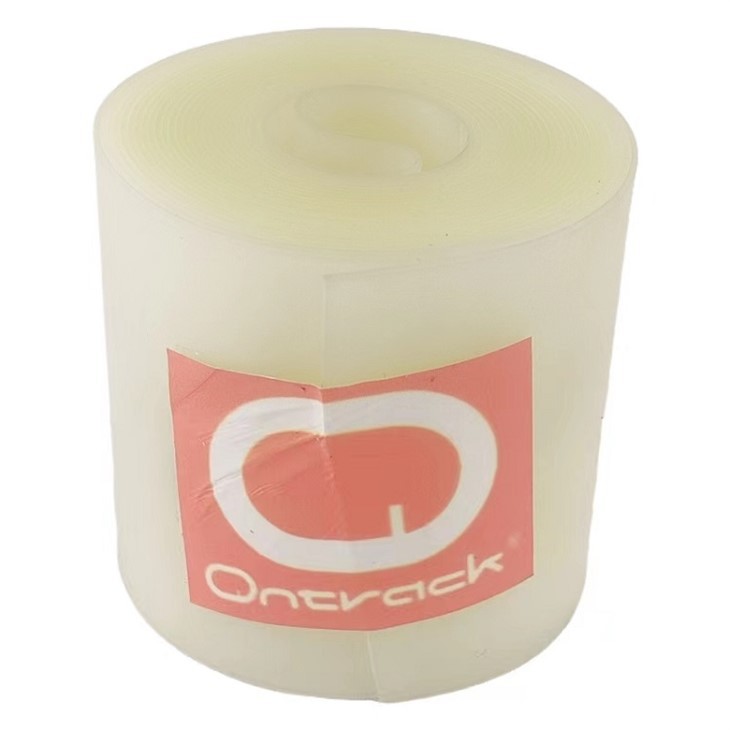

If you're interested in learning more about our bicycle PVC rim tapes or are looking to place an order, we encourage you to reach out to us for a detailed discussion. We're always happy to assist you in finding the right products for your specific requirements.
References
- Wilson, J. (2018). The Importance of Quality Bicycle Components. Cycling World Magazine, 23(4), 56 - 62.
- Smith, A. (2019). Understanding Bicycle Rim Tape Technology. Bicycle Engineering Journal, 15(2), 34 - 41.
- Brown, C. (2020). Safety Considerations in Bicycle Design. Sports Safety Review, 12(3), 78 - 85.


