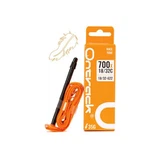
Hey there, fellow cycling enthusiasts! As a supplier of TPU bicycle inner tubes, I've seen firsthand the importance of maintaining the right air pressure in your bike's inner tubes. Whether you're a casual rider cruising through the park or a hardcore cyclist tackling challenging terrains, having the correct air pressure can significantly enhance your riding experience. In this blog post, I'll share some tips on how to check the air pressure in TPU bicycle inner tubes accurately.
Why is Correct Air Pressure Important?
Before we dive into the how-to, let's talk about why getting the air pressure right is crucial. First off, proper air pressure ensures optimal performance. When your tires are inflated to the recommended level, you'll enjoy a smoother ride, better handling, and improved traction. This means you can pedal more efficiently and cover more ground with less effort.
Secondly, correct air pressure extends the lifespan of your TPU inner tubes. Overinflated tires are more prone to blowouts, while underinflated tires can cause excessive wear and tear on the tube and the tire itself. By maintaining the right pressure, you can avoid costly replacements and keep your bike in top condition for longer.
Tools You'll Need
To check the air pressure in your TPU bicycle inner tubes accurately, you'll need a few essential tools:
- A Good Quality Tire Pressure Gauge: This is the most important tool for the job. There are several types of tire pressure gauges available, including digital and analog gauges. Digital gauges are generally more accurate and easier to read, but analog gauges are also reliable and can be a more affordable option.
- A Pump: You'll need a pump to add or release air from your inner tubes. Make sure your pump is compatible with the valve type on your TPU inner tubes. Most TPU inner tubes come with either Presta or Schrader valves, so choose a pump that can handle the type of valve you have.
Step-by-Step Guide to Checking Air Pressure
Now that you have the necessary tools, let's go through the steps to check the air pressure in your TPU bicycle inner tubes:
- Find the Recommended Pressure: The recommended air pressure for your TPU inner tubes is usually printed on the sidewall of your tires. Look for a range of pressures, such as "35-65 PSI" or "2.4-4.5 bar." This range indicates the minimum and maximum air pressure that your tires can safely handle.
- Prepare Your Tools: Make sure your tire pressure gauge is in good working condition and that your pump is ready to use. If you're using a digital gauge, turn it on and let it warm up for a few seconds.
- Remove the Valve Cap: Unscrew the valve cap from the valve on your inner tube. Keep the valve cap in a safe place so you don't lose it.
- Attach the Pressure Gauge: Press the pressure gauge firmly onto the valve stem. Make sure the gauge is sealed tightly to prevent air from escaping. You should hear a brief hiss of air as the gauge makes contact with the valve.
- Read the Pressure: Look at the display on your pressure gauge to see the current air pressure in your inner tube. If you're using an analog gauge, read the pressure where the needle points on the scale. Compare the reading to the recommended pressure range on your tire sidewall.
- Add or Release Air: If the air pressure in your inner tube is too low, use your pump to add air until you reach the recommended pressure. If the pressure is too high, press the small pin in the center of the valve stem with a small tool, such as a pen or a valve core remover, to release some air. Check the pressure again after adding or releasing air to make sure you've reached the correct level.
- Replace the Valve Cap: Once you've adjusted the air pressure to the recommended level, screw the valve cap back onto the valve stem. This will help prevent dirt and moisture from entering the valve and causing damage.
Tips for Accurate Pressure Checks
Here are some additional tips to help you check the air pressure in your TPU bicycle inner tubes accurately:
- Check the Pressure When the Tires Are Cold: Tire pressure can increase as the tires heat up during riding, so it's best to check the pressure when the tires are cold. This will give you a more accurate reading of the actual air pressure in your inner tubes.
- Check the Pressure Regularly: It's a good idea to check the air pressure in your TPU bicycle inner tubes at least once a week, especially if you're a frequent rider. This will help you catch any issues early and ensure that your tires are always inflated to the correct pressure.
- Use a Consistent Gauge: To get the most accurate readings, try to use the same tire pressure gauge every time you check the air pressure in your inner tubes. Different gauges may give slightly different readings, so using a consistent gauge will help you track changes in pressure over time.
Benefits of TPU Bicycle Inner Tubes
As a supplier of TPU Bicycle Inner Tubes, I can't help but mention the many benefits of using TPU inner tubes for your bike. TPU, or thermoplastic polyurethane, is a high-performance material that offers several advantages over traditional rubber inner tubes:
- Lightweight: TPU inner tubes are significantly lighter than rubber inner tubes, which can improve your bike's overall performance and handling. This is especially important for competitive cyclists who are looking to shave off every possible gram.
- Puncture Resistance: TPU is a strong and durable material that is more resistant to punctures than rubber. This means you'll have fewer flat tires and less downtime on the road.
- Flexibility: TPU inner tubes are more flexible than rubber inner tubes, which allows them to conform to the shape of your tires more easily. This can improve the overall ride quality and reduce the risk of pinch flats.
- Longevity: TPU inner tubes have a longer lifespan than rubber inner tubes, which means you'll save money in the long run by not having to replace your inner tubes as often.
Our Ultralight TPU Inner Tube
One of our most popular products is our Ultralight TPU Inner Tube. This inner tube is designed for cyclists who are looking for the ultimate in lightweight performance. It weighs just a fraction of a traditional rubber inner tube, yet it still offers excellent puncture resistance and durability.
The Ultralight TPU Inner Tube is also very easy to install and maintain. It comes with a pre-installed valve core and a valve cap, so you can get it up and running in no time. And because it's made from TPU, it's more resistant to aging and degradation than rubber inner tubes, which means it will last longer and perform better over time.
Conclusion
Checking the air pressure in your TPU bicycle inner tubes accurately is an important part of bike maintenance. By following the steps outlined in this blog post and using the right tools, you can ensure that your tires are always inflated to the correct pressure, which will improve your riding experience and extend the lifespan of your inner tubes.
If you're in the market for high-quality TPU bicycle inner tubes, look no further. As a leading supplier of TPU inner tubes, we offer a wide range of products to suit every cyclist's needs. Whether you're a casual rider or a competitive cyclist, we have the perfect inner tube for you.
If you're interested in learning more about our products or have any questions about TPU bicycle inner tubes, please don't hesitate to contact us. We'd be happy to help you find the right inner tube for your bike and answer any questions you may have. Let's work together to get you rolling on the road with confidence!


References
- "Bicycle Tire Pressure: How to Check and Adjust It." Bicycling.com.
- "TPU Bicycle Inner Tubes: The Future of Cycling?" CyclingTips.com.