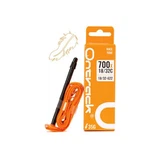
Hey there, fellow cyclists! As a supplier of TPU bicycle inner tubes, I've seen my fair share of common issues that riders face. In this blog, I'll walk you through how to troubleshoot those pesky problems with TPU inner tubes.
1. Slow Leaks
One of the most common problems you might encounter is a slow leak. You inflate your tube, and after a day or two, you notice that your tire is a bit flat. It can be frustrating, but don't worry; it's usually fixable.
First, you'll need to find the leak. Start by inflating the tube to a normal riding pressure. Then, submerge the tube in a bucket of water. Look for bubbles; they'll show you where the air is escaping. If you don't have a bucket big enough, you can also use a soapy water solution. Just apply it generously to the tube using a sponge or a brush, and watch for bubbles.
Once you've found the leak, it's time to patch it. For TPU tubes, you'll need a special TPU patch kit. These kits usually come with adhesive patches and instructions. Clean the area around the leak with a bit of rubbing alcohol to remove any dirt or grease. Then, apply the patch according to the kit's instructions. Make sure it's firmly pressed down and sealed.
If the leak is near the valve, it could be a problem with the valve itself. Check if the valve cap is tight. Sometimes, a loose valve cap can cause air to escape slowly. If the valve is damaged, you might need to replace it. You can find valve replacement kits at most bike shops.
2. Pinch Flats
Pinch flats are another common issue, especially if you're riding on rough terrain or hitting potholes. A pinch flat happens when the tire gets squeezed between the rim and an object on the road, causing two small holes in the tube.
To prevent pinch flats, make sure your tire pressure is correct. Check your bike's manual or the sidewall of your tire for the recommended pressure. Riding with too low a pressure increases the risk of pinch flats.
If you do get a pinch flat, you'll need to replace the tube. Unfortunately, pinch flats usually damage the tube beyond repair. When installing the new tube, be extra careful not to pinch it between the tire and the rim. Start by deflating the tube completely. Then, insert it into the tire, making sure it's evenly distributed. Slowly inflate the tube while checking that it's not getting pinched.
3. Valve Issues
Valve problems can also be a headache. Sometimes, the valve might not hold air properly, or it could break off completely.
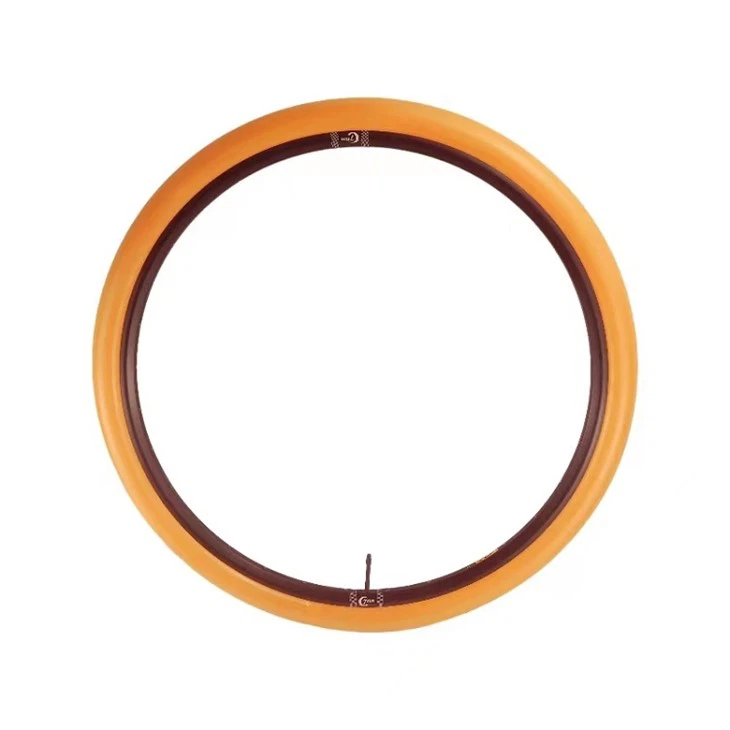
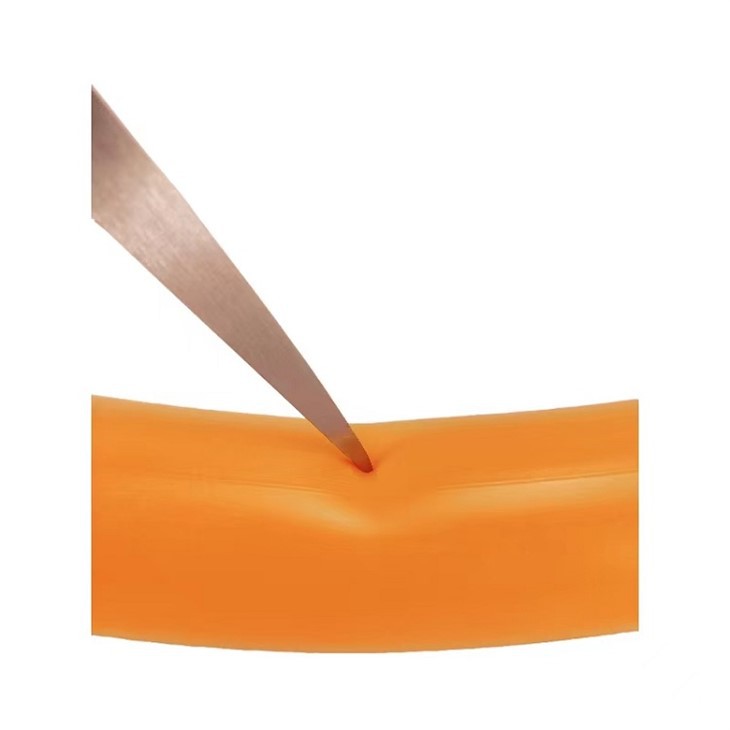
If the valve is not holding air, it could be due to a worn-out valve core. You can easily replace the valve core using a valve core tool. Just unscrew the old core and screw in a new one. Make sure it's tightened properly.
If the valve is broken or bent,you'll need to replace the tube. It's not worth trying to repair a severely damaged valve. When choosing a new tube, pay attention to the valve type. There are two main types: Presta and Schrader. Make sure you get the right one for your bike.
4. TPU Tube Separation
In some cases, you might notice that the TPU tube is starting to separate or delaminate. This can be a serious issue, as it can lead to a sudden loss of air.
TPU tube separation can be caused by a few factors. One is exposure to extreme temperatures. TPU can become brittle in very cold weather or soft in very hot weather, which can lead to separation. Try to store your bike in a temperature - controlled environment.
Another cause could be poor manufacturing. If you suspect that the tube is defective, contact the manufacturer or your supplier. As a TPU bicycle inner tubes supplier, we stand behind our products and offer replacement or refund if there are any manufacturing defects.
If the separation is minor, you might be able to use a special TPU adhesive to repair it. However, this is a tricky process and might not be a long - term solution. In most cases, it's better to replace the tube.
5. Compatibility Issues
Sometimes, the problem might not be with the tube itself but with its compatibility with your bike. For example, if you're using a TPU tube with a rim that's not designed for it, you might have issues with inflation or seating.
Before buying a TPU tube, make sure it's compatible with your bike's rim and tire size. Check the specifications of your bike and compare them with the tube's details. You can find this information on the tube's packaging or on the TPU Bicycle Inner Tubes page on our website.
If you're not sure about compatibility, you can always reach out to us. Our team of experts is happy to help you choose the right tube for your bike.
Tips for Maintaining TPU Bicycle Inner Tubes
- Regular Inspections: Check your tubes regularly for any signs of wear, damage, or leaks. A quick visual inspection can help you catch problems early.
- Proper Storage: Store your bikes and tubes in a cool, dry place. Avoid exposing them to direct sunlight or extreme temperatures for long periods.
- Use Quality Tires: High - quality tires can provide better protection for your tubes. They're less likely to let sharp objects through and cause flats.
Conclusion
Troubleshooting common problems with TPU bicycle inner tubes doesn't have to be a nightmare. By following these tips and being proactive about maintenance, you can keep your tubes in good shape and enjoy a smooth ride.
If you're in the market for high - quality TPU bicycle inner tubes, look no further than our Ultralight TPU Inner Tube range. We offer a variety of sizes and valve types to suit your needs.
If you have any questions or are interested in purchasing our TPU inner tubes, feel free to contact us. We're always ready to assist you with your cycling needs and look forward to discussing your procurement requirements.
References
- "Bicycle Maintenance Guide" - General cycling maintenance book
- Manufacturer's instructions for TPU inner tubes
- Online cycling forums and communities for real - world experiences and tips