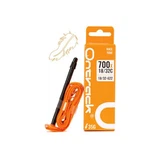
In the world of cycling, every component plays a crucial role in ensuring a smooth and safe ride. One such often-overlooked yet essential part is the bicycle nylon rim tape. As a supplier of high - quality bicycle nylon rim tape, I've encountered numerous questions from cyclists and bike shops alike. One of the most frequently asked questions is whether bicycle nylon rim tape is resistant to UV rays. In this blog post, I'll delve into the science behind nylon rim tape, its interaction with UV rays, and what this means for cyclists.
Understanding Bicycle Nylon Rim Tape
Before we discuss UV resistance, let's first understand what bicycle nylon rim tape is and its function. Nylon rim tape is a thin strip of material that is placed inside the bicycle rim, between the rim and the tube or tire. Its primary purpose is to protect the inner tube from sharp edges and spoke holes in the rim, preventing punctures.
Nylon is a popular choice for rim tape due to its high strength - to - weight ratio. It is flexible, durable, and can easily conform to the shape of the rim. Compared to other materials like PVC, nylon offers better resistance to tearing and stretching, making it a reliable option for long - term use.
The Impact of UV Rays on Materials
Ultraviolet (UV) rays are a part of the electromagnetic spectrum with wavelengths shorter than visible light. They are present in sunlight and can have a significant impact on various materials over time. When materials are exposed to UV rays, they can undergo a process called photodegradation.
Photodegradation occurs when the energy from UV rays breaks the chemical bonds in a material. This can lead to a variety of issues, including discoloration, embrittlement, and a reduction in mechanical properties. For example, a material that was once flexible and strong may become brittle and prone to cracking after prolonged UV exposure.
Is Bicycle Nylon Rim Tape Resistant to UV Rays?
The answer to this question is not a simple yes or no. Nylon, in general, has some degree of natural resistance to UV rays. However, this resistance can vary depending on several factors, such as the specific type of nylon used, the additives present in the material, and the duration and intensity of UV exposure.
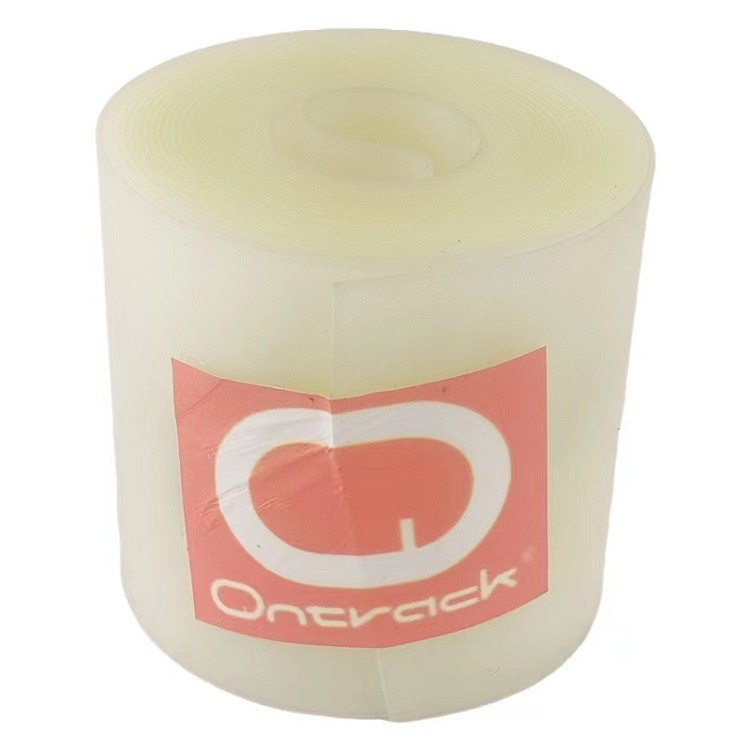

Some nylon rim tapes are treated with UV stabilizers during the manufacturing process. These stabilizers work by absorbing or reflecting UV rays, preventing them from reaching the nylon molecules and causing damage. Tapes with UV stabilizers are more likely to maintain their mechanical properties and appearance over time, even when exposed to sunlight.
On the other hand, if a nylon rim tape does not have UV stabilizers, it may be more susceptible to photodegradation. Prolonged exposure to sunlight can cause the tape to become brittle, discolored, and less effective at protecting the inner tube. In extreme cases, the tape may even break or tear, leading to punctures.
Factors Affecting UV Resistance
Type of Nylon
There are different types of nylon, such as nylon 6 and nylon 6,6. Each type has its own chemical structure and properties, which can affect its UV resistance. For example, nylon 6,6 generally has better resistance to heat and chemicals compared to nylon 6, but its UV resistance may also vary depending on other factors.
Additives
As mentioned earlier, UV stabilizers are additives that can significantly improve the UV resistance of nylon rim tape. Other additives, such as antioxidants, can also play a role in protecting the tape from degradation. These additives work together to enhance the overall durability of the tape in various environmental conditions.
Environmental Conditions
The location and climate where the bicycle is used also play a crucial role in determining the UV exposure of the rim tape. Bicycles used in regions with high levels of sunlight, such as deserts or tropical areas, are more likely to experience severe UV damage compared to those used in cloudy or temperate regions. Additionally, factors like humidity and temperature can also interact with UV rays and accelerate the degradation process.
Testing UV Resistance
To determine the UV resistance of bicycle nylon rim tape, manufacturers often conduct various tests. One common test is the accelerated weathering test, where the tape is exposed to artificial UV light in a controlled environment for an extended period. This test simulates years of outdoor exposure in a relatively short time, allowing manufacturers to assess the long - term performance of the tape.
Another test is the outdoor exposure test, where the tape is installed on a bicycle and left outdoors for a specified period. This test provides real - world data on how the tape performs under actual environmental conditions. By analyzing the results of these tests, manufacturers can make improvements to the tape's formulation to enhance its UV resistance.
Choosing the Right Rim Tape
As a supplier, I understand the importance of choosing the right rim tape for your bicycle. When it comes to UV resistance, here are some tips to keep in mind:
- Look for UV - stabilized tapes: When purchasing nylon rim tape, check the product description to see if it is treated with UV stabilizers. These tapes are more likely to withstand prolonged sun exposure.
- Consider your riding environment: If you live in an area with intense sunlight, you may want to invest in a high - quality, UV - resistant rim tape. On the other hand, if you mainly ride in shaded or indoor areas, the UV resistance of the tape may be less of a concern.
- Explore different options: There are other types of rim tapes available in the market, such as Bicycle Tyre Liner, Bicycle PVC Rim Tape, and Bicycle Tubeless Rim Tape. Each type has its own advantages and disadvantages, so it's important to choose the one that best suits your needs.
Conclusion
In conclusion, while bicycle nylon rim tape has some natural resistance to UV rays, its performance can be significantly improved with the use of UV stabilizers and other additives. The type of nylon, environmental conditions, and manufacturing processes all play a role in determining the tape's UV resistance. As a supplier, I'm committed to providing high - quality nylon rim tapes that are durable and can withstand the rigors of various riding environments.
If you're in the market for bicycle nylon rim tape or have any questions about our products, I encourage you to contact us for a procurement discussion. We can provide you with detailed information about our products, including their UV resistance, and help you choose the right solution for your needs.
References
- ASTM International. (2018). Standard Practice for Operating Fluorescent Ultraviolet (UV) Lamp Apparatus for Exposure of Nonmetallic Materials. ASTM G154 - 18.
- Kutz, M. (2013). Engineering Plastics Handbook. William Andrew Publishing.