

As a supplier of ultralight TPU inner tubes, I am often asked about the air retention ability of these innovative products. In this blog post, I will delve into the science behind the air retention of ultralight TPU inner tubes, exploring the factors that influence it and how it compares to other types of inner tubes.
Understanding TPU and Its Properties
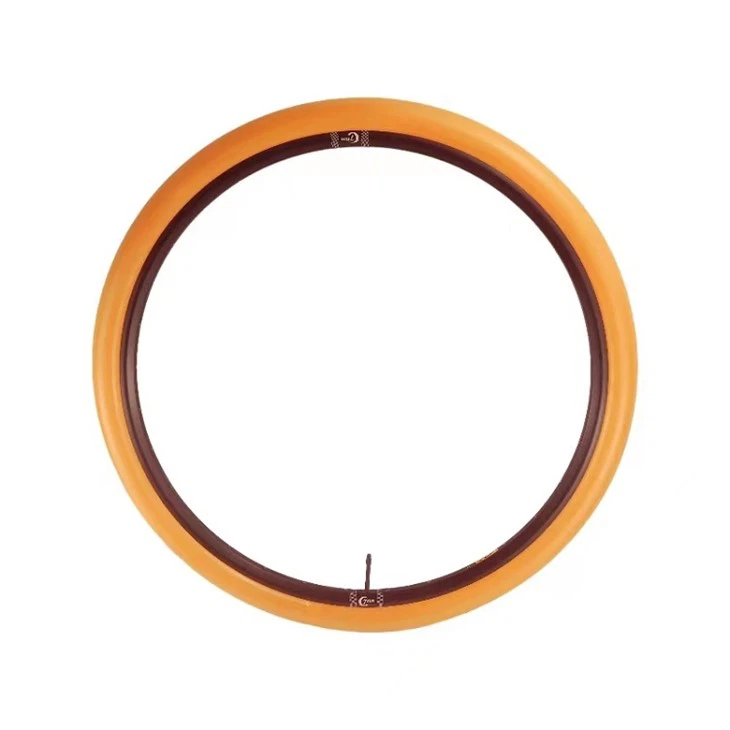
Thermoplastic Polyurethane (TPU) is a type of plastic that combines the properties of rubber and plastic. It is known for its high strength, flexibility, and abrasion resistance. These characteristics make TPU an ideal material for inner tubes, as it can withstand the rigors of cycling while providing a comfortable ride.
One of the key properties of TPU that contributes to its air retention ability is its low gas permeability. Gas permeability refers to the rate at which gases, such as air, can pass through a material. A material with low gas permeability will retain air better than a material with high gas permeability.
TPU has a relatively low gas permeability compared to other materials commonly used in inner tubes, such as butyl rubber. This means that ultralight TPU inner tubes are able to hold air for longer periods of time, reducing the frequency of inflation and ensuring a more consistent ride.
Factors Affecting Air Retention
While TPU's low gas permeability is a major factor in the air retention ability of ultralight TPU inner tubes, there are other factors that can also influence how well they hold air. These factors include:
1. Wall Thickness
The thickness of the inner tube's wall plays a significant role in its air retention ability. Thicker walls generally provide better air retention, as they offer more resistance to the passage of air. However, thicker walls also add weight to the inner tube, which can be a drawback for cyclists who are looking for a lightweight option.
Ultralight TPU inner tubes are designed to strike a balance between wall thickness and weight. By using advanced manufacturing techniques, we are able to produce inner tubes with thin walls that still provide excellent air retention. This allows cyclists to enjoy the benefits of a lightweight inner tube without sacrificing air retention.
2. Sealing Technology
The way the inner tube is sealed also affects its air retention ability. A well-sealed inner tube will prevent air from leaking out, while a poorly sealed inner tube will lose air more quickly.
At our company, we use state-of-the-art sealing technology to ensure that our ultralight TPU inner tubes are airtight. Our sealing process involves using a special adhesive to bond the edges of the inner tube together, creating a strong and durable seal. This helps to prevent air from leaking out, even under high pressure.
3. Temperature and Pressure
Temperature and pressure can also have an impact on the air retention ability of ultralight TPU inner tubes. As the temperature increases, the air inside the inner tube expands, which can cause the pressure to rise. If the pressure becomes too high, it can cause the inner tube to burst or leak.
Conversely, as the temperature decreases, the air inside the inner tube contracts, which can cause the pressure to drop. If the pressure drops too low, the inner tube may become flat or lose its shape.
To ensure optimal air retention, it is important to maintain the correct tire pressure and to avoid exposing the inner tube to extreme temperatures. Our ultralight TPU inner tubes are designed to withstand a wide range of temperatures and pressures, but it is still important to follow the manufacturer's recommendations for inflation and storage.
Comparing TPU Inner Tubes to Other Types of Inner Tubes
When it comes to air retention, ultralight TPU inner tubes offer several advantages over other types of inner tubes, such as butyl rubber inner tubes.
1. Better Air Retention
As mentioned earlier, TPU has a lower gas permeability than butyl rubber, which means that ultralight TPU inner tubes are able to hold air for longer periods of time. This reduces the frequency of inflation and ensures a more consistent ride.
2. Lighter Weight
Ultralight TPU inner tubes are significantly lighter than butyl rubber inner tubes. This makes them a popular choice among cyclists who are looking to reduce the weight of their bikes and improve their performance.
3. Greater Flexibility
TPU is a more flexible material than butyl rubber, which means that ultralight TPU inner tubes are able to conform to the shape of the tire more easily. This provides a better fit and reduces the risk of pinch flats.
4. Higher Resistance to Punctures
TPU is also more resistant to punctures than butyl rubber. This means that ultralight TPU inner tubes are less likely to be damaged by sharp objects on the road, such as glass or nails.
Conclusion
In conclusion, the air retention ability of ultralight TPU inner tubes is one of their key advantages. Thanks to TPU's low gas permeability, advanced sealing technology, and careful design, these inner tubes are able to hold air for longer periods of time, reducing the frequency of inflation and ensuring a more consistent ride.
In addition to their excellent air retention, ultralight TPU inner tubes are also lightweight, flexible, and resistant to punctures. These characteristics make them a popular choice among cyclists of all levels, from beginners to professionals.
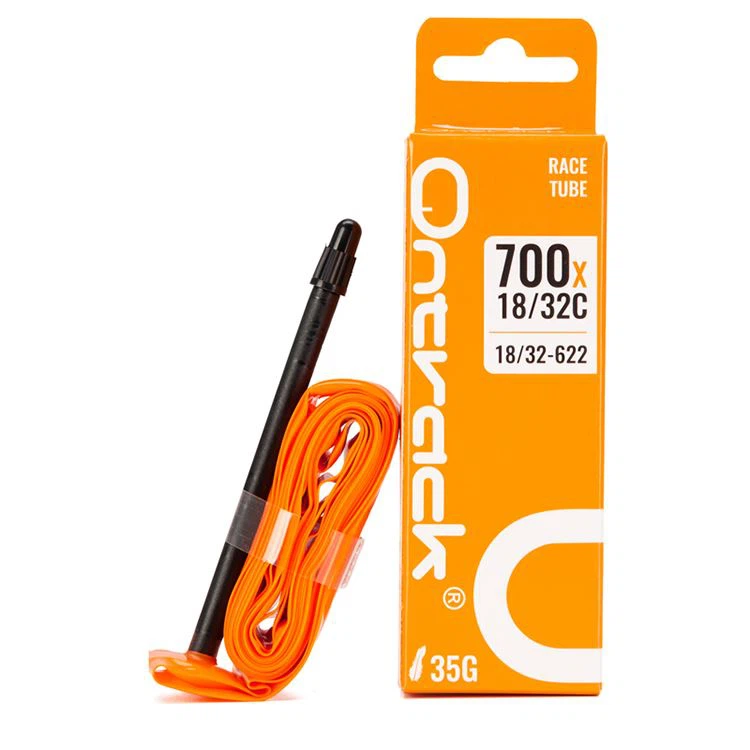
If you are interested in learning more about our Ultralight TPU Inner Tube or our other TPU Bicycle Inner Tubes, please do not hesitate to contact us. We would be happy to answer any questions you may have and to discuss your specific needs.
References
- "Thermoplastic Polyurethane (TPU): Properties, Applications, and Processing." Journal of Polymer Science Part B: Polymer Physics, vol. 45, no. 13, 2007, pp. 1639-1662.
- "Gas Permeability of Polymers." Polymer Science: A Comprehensive Reference, vol. 3, 2012, pp. 309-344.
- "The Science of Cycling: How Bicycles Work." MIT Press, 2012.


