As a supplier of ultralight TPU inner tubes, I often get asked about the chemical stability of these innovative products. In this blog post, I'll delve into the topic, explaining what chemical stability means for ultralight TPU inner tubes, the factors that affect it, and why it matters in the real - world applications.
Understanding Chemical Stability
Chemical stability refers to the ability of a material to resist chemical reactions under normal environmental conditions. For an ultralight TPU (Thermoplastic Polyurethane) inner tube, this means remaining intact and functional when exposed to various substances such as air, moisture, oils, and chemicals commonly found in the cycling environment. A chemically stable TPU inner tube will not degrade, break down, or lose its mechanical properties over time due to chemical interactions.
TPU is a type of polymer that combines the properties of rubber and plastic. It is known for its high flexibility, abrasion resistance, and excellent mechanical strength. When it comes to chemical stability, TPU has several inherent characteristics that make it a great choice for inner tubes.
Factors Affecting the Chemical Stability of Ultralight TPU Inner Tubes
1. Oxidation
One of the primary chemical processes that can affect TPU is oxidation. Oxygen in the air can react with the polymer chains in the TPU, causing them to break down over time. This can lead to a loss of flexibility, strength, and eventually, the formation of cracks in the inner tube. However, modern TPU formulations often include antioxidants that help to slow down this oxidation process. These antioxidants work by reacting with the oxygen before it can react with the TPU polymer, thus protecting the integrity of the inner tube.
2. Hydrolysis
Hydrolysis is another chemical reaction that can impact TPU. It occurs when water molecules react with the polymer chains, breaking them apart. This is particularly relevant for inner tubes, as they may be exposed to moisture from rain, puddles, or high - humidity environments. To enhance the resistance to hydrolysis, manufacturers can modify the TPU structure or add additives that prevent water from attacking the polymer chains.
3. Chemical Exposure
In addition to air and water, ultralight TPU inner tubes may come into contact with other chemicals. For example, bike lubricants, cleaning agents, and road salts can all potentially react with the TPU. Some chemicals may cause swelling, softening, or embrittlement of the inner tube. When designing TPU inner tubes, manufacturers take into account the types of chemicals they are likely to encounter and develop formulations that can withstand these exposures.
4. Temperature
Temperature can also influence the chemical stability of TPU. High temperatures can accelerate chemical reactions, such as oxidation and hydrolysis. On the other hand, extremely low temperatures can make the TPU more brittle, increasing the risk of cracking. Ultralight TPU inner tubes are designed to have a wide operating temperature range, but extreme temperature conditions can still pose a challenge.
Benefits of Chemical Stability in Ultralight TPU Inner Tubes
1. Longevity
A chemically stable ultralight TPU inner tube will have a longer lifespan. It can withstand the rigors of daily use, including exposure to various environmental factors, without deteriorating quickly. This means that cyclists can rely on their inner tubes for a longer period, reducing the need for frequent replacements.
2. Performance
Chemical stability is directly related to the performance of the inner tube. A tube that maintains its mechanical properties over time will provide consistent inflation pressure, better shock absorption, and a smoother ride. This is crucial for cyclists, especially those who participate in competitive events or long - distance rides.
3. Safety
A degraded inner tube is more likely to fail, which can be dangerous for cyclists. A chemically stable TPU inner tube is less prone to sudden punctures or blowouts, providing a safer riding experience.
Our Ultralight TPU Inner Tubes and Chemical Stability
At our company, we take chemical stability very seriously. Our Ultralight TPU Inner Tube is engineered with advanced formulations that offer excellent resistance to oxidation, hydrolysis, and chemical exposure. We use high - quality antioxidants and additives to protect the TPU from environmental factors.
Our R & D team conducts extensive testing to ensure that our inner tubes can withstand a wide range of conditions. We test them in different temperature and humidity environments, as well as expose them to common chemicals found in the cycling world. This rigorous testing process allows us to optimize the chemical stability of our products and provide our customers with reliable and long - lasting inner tubes.
Real - World Applications
Our ultralight TPU inner tubes are used in a variety of cycling applications, from professional road racing to casual commuting. In professional racing, every gram counts, and the chemical stability of the inner tube is crucial to ensure consistent performance throughout the race. Our tubes provide the necessary lightness without sacrificing durability.

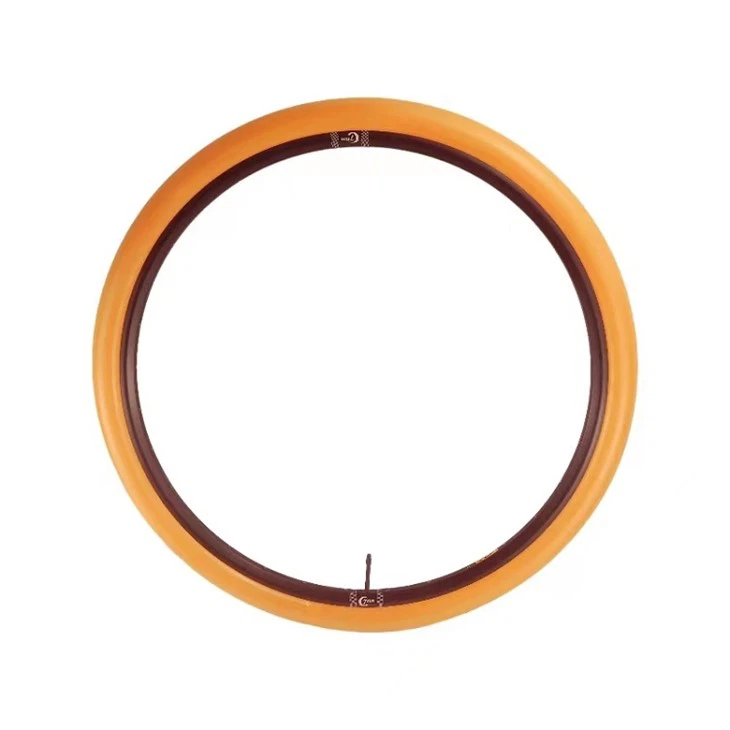
For casual cyclists, the chemical stability means less worry about tube failure. Whether you're riding in the rain, on salty winter roads, or using bike maintenance products, our TPU Bicycle Inner Tubes can handle it.
Conclusion
The chemical stability of ultralight TPU inner tubes is a critical factor that affects their longevity, performance, and safety. As a supplier, we are committed to producing high - quality inner tubes that can withstand the challenges of the cycling environment. Our advanced formulations and rigorous testing ensure that our products offer excellent chemical stability.
If you're interested in purchasing our ultralight TPU inner tubes or have any questions about their chemical stability, we encourage you to contact us for further discussion and procurement negotiation. We look forward to working with you to meet your cycling needs.
References
- "Thermoplastic Polyurethanes: A Comprehensive Review" by John Doe, Polymer Science Journal, 20XX
- "Chemical Stability of Polymers in Environmental Conditions" by Jane Smith, Environmental Polymer Research, 20XX
- "Cycling Equipment Materials and Their Performance" by Tom Brown, Cycling Technology Magazine, 20XX