As a supplier of TPU bicycle inner tubes, I've witnessed firsthand the growing interest in these innovative products. TPU, or thermoplastic polyurethane, has revolutionized the cycling industry with its unique properties. One of the most critical aspects of TPU bicycle inner tubes is their elasticity, which significantly impacts performance, durability, and user experience. In this blog post, we'll delve into the concept of elasticity in TPU bicycle inner tubes, exploring what it means, how it affects cycling, and why it matters to cyclists and retailers alike.
Understanding Elasticity
Elasticity is a fundamental physical property that describes a material's ability to deform under stress and return to its original shape when the stress is removed. In the context of TPU bicycle inner tubes, elasticity refers to how the tube stretches when inflated and then reverts to its initial form once the air pressure is released. This property is crucial because it determines how well the inner tube can withstand the forces exerted during cycling, such as the weight of the rider, the impact of bumps and potholes, and the pressure changes caused by temperature variations.
The elasticity of TPU is governed by its molecular structure. TPU is a polymer composed of long chains of repeating units. These chains are held together by weak intermolecular forces, allowing them to slide past each other when subjected to stress. When the stress is removed, the intermolecular forces pull the chains back into their original positions, causing the material to regain its shape. This reversible deformation is what gives TPU its excellent elasticity.
Measuring Elasticity
The elasticity of TPU bicycle inner tubes can be measured using several parameters, including Young's modulus, ultimate tensile strength, and elongation at break.
-
Young's Modulus: Also known as the modulus of elasticity, Young's modulus measures the stiffness of a material. It is defined as the ratio of stress (force per unit area) to strain (deformation per unit length) within the elastic range of the material. A higher Young's modulus indicates a stiffer material, while a lower value suggests a more flexible one. For TPU bicycle inner tubes, a moderate Young's modulus is desirable, as it provides a balance between flexibility and resistance to deformation.
-
Ultimate Tensile Strength: This parameter measures the maximum stress a material can withstand before breaking. It is an important indicator of the inner tube's durability and ability to resist punctures and tears. TPU inner tubes typically have high ultimate tensile strength, making them more resistant to damage compared to traditional rubber inner tubes.
-
Elongation at Break: Elongation at break measures the maximum amount of deformation a material can undergo before it fractures. It is expressed as a percentage of the original length of the material. A higher elongation at break indicates a more elastic material that can stretch further without breaking. TPU bicycle inner tubes have excellent elongation at break, allowing them to expand and contract without losing their integrity.
Benefits of Elasticity in TPU Bicycle Inner Tubes
The elasticity of TPU bicycle inner tubes offers several benefits for cyclists and retailers:
-
Improved Ride Quality: The flexibility of TPU inner tubes allows them to conform to the shape of the tire and the road surface, providing a smoother and more comfortable ride. They can absorb shocks and vibrations better than rigid inner tubes, reducing fatigue and improving handling.
-
Enhanced Puncture Resistance: The high elasticity of TPU makes it more resistant to punctures and tears. When a sharp object penetrates the inner tube, the elastic material stretches around the object, preventing it from causing a complete rupture. This reduces the risk of flats and ensures a more reliable cycling experience.
-
Lightweight Design: TPU inner tubes are significantly lighter than traditional rubber inner tubes, thanks to their high elasticity. The reduced weight improves the overall performance of the bicycle, making it easier to accelerate, climb hills, and maneuver. This is particularly beneficial for competitive cyclists and those who value speed and efficiency.
-
Longer Lifespan: The excellent elasticity of TPU inner tubes allows them to withstand repeated cycles of inflation and deflation without losing their shape or performance. They are less prone to cracking, aging, and degradation compared to rubber inner tubes, resulting in a longer lifespan and lower replacement costs.
Applications of TPU Bicycle Inner Tubes
The unique elasticity of TPU bicycle inner tubes makes them suitable for a wide range of cycling applications:
-
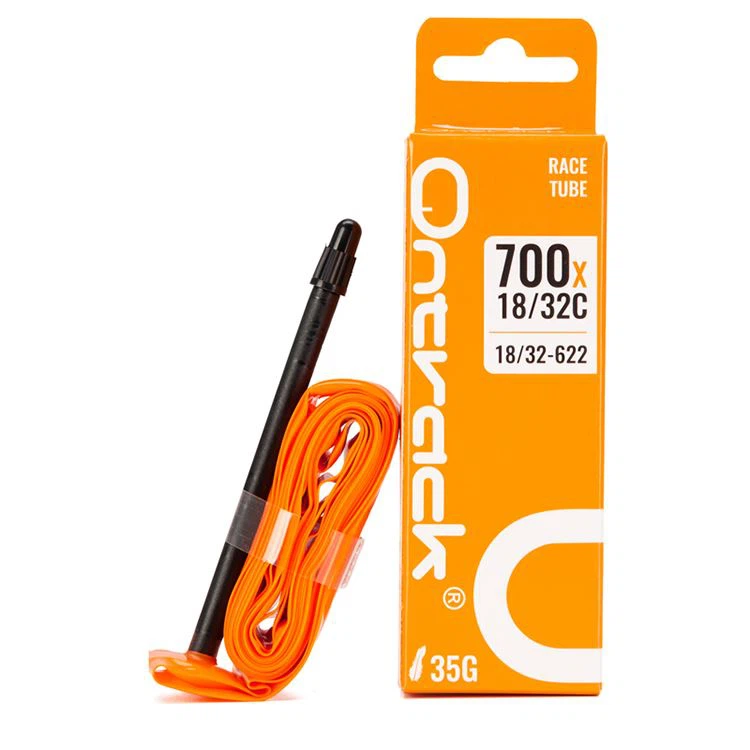
Road Biking: Road cyclists demand high-performance equipment that can withstand the rigors of long-distance riding. TPU inner tubes provide a lightweight, puncture-resistant solution that enhances speed, comfort, and reliability on the road.

-
Mountain Biking: Mountain biking involves navigating rough terrain, including rocks, roots, and jumps. The elasticity of TPU inner tubes allows them to absorb shocks and impacts, providing a smoother ride and reducing the risk of flats. They are also more resistant to damage from sharp objects commonly found on mountain trails.
-
Urban Commuting: For urban commuters, convenience and reliability are key. TPU inner tubes offer a durable, low-maintenance solution that can withstand the daily wear and tear of city riding. Their puncture resistance and long lifespan make them a practical choice for commuters who rely on their bicycles for transportation.
Our TPU Bicycle Inner Tubes
At our company, we offer a wide range of TPU Bicycle Inner Tubes designed to meet the needs of cyclists of all levels. Our Ultralight TPU Inner Tube is a prime example of our commitment to innovation and quality. It features a unique blend of TPU materials that provides exceptional elasticity, lightweight design, and superior puncture resistance.
Our TPU inner tubes are available in various sizes and valve types to fit different bicycle models and tire sizes. We use advanced manufacturing techniques to ensure consistent quality and performance across all our products. Whether you're a professional cyclist or a casual rider, our TPU inner tubes will enhance your cycling experience.
Conclusion
The elasticity of TPU bicycle inner tubes is a key factor that sets them apart from traditional rubber inner tubes. It provides a range of benefits, including improved ride quality, enhanced puncture resistance, lightweight design, and longer lifespan. As a supplier of TPU bicycle inner tubes, we are proud to offer products that combine the latest technology with high-quality materials to meet the evolving needs of cyclists.
If you're interested in learning more about our TPU bicycle inner tubes or would like to discuss a potential partnership, please don't hesitate to contact us. We look forward to working with you to provide the best cycling products on the market.
References
- Callister, W. D., & Rethwisch, D. G. (2014). Materials Science and Engineering: An Introduction. Wiley.
- Mark, J. E., & Erman, B. (2007). Rubberlike Elasticity: A Molecular Primer. Cambridge University Press.
- Treloar, L. R. G. (1975). The Physics of Rubber Elasticity. Oxford University Press.