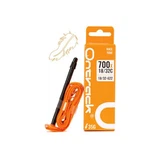
When it comes to cycling, one component that often gets overlooked but is crucial for a smooth ride is the bicycle butyl tube. As a supplier of high - quality bicycle butyl tubes, I've received numerous inquiries about the lifespan of these tubes under normal use. In this blog, I'll delve into the factors that influence the lifespan of a bicycle butyl tube and provide some insights to help cyclists and retailers understand how long they can expect these tubes to last.
Understanding Bicycle Butyl Tubes
Before discussing their lifespan, it's essential to understand what bicycle butyl tubes are. Butyl rubber is a synthetic rubber known for its excellent air - retention properties. Bicycle butyl tubes are made from this rubber and are designed to hold air within the bicycle tire, providing the necessary cushioning and support for a comfortable ride. They come in various sizes to fit different types of bicycle tires, such as 27.5 Bicycle Tube and 29 Inch Bicycle Inner Tubes.
Factors Affecting the Lifespan of Bicycle Butyl Tubes
1. Frequency of Use
The more often a bicycle is used, the more wear and tear the butyl tube will experience. A daily commuter who rides several miles each day will put more stress on their tubes compared to a recreational cyclist who only rides on weekends. Over time, the constant flexing and movement of the tube as the bike moves can cause small cracks and leaks to develop. For a daily commuter, a butyl tube might last anywhere from 6 months to a year, while a weekend rider could expect their tubes to last 1 - 2 years.
2. Riding Conditions
The type of terrain and environment in which a bicycle is ridden also play a significant role in the lifespan of the butyl tube. Riding on rough, unpaved roads with lots of potholes, rocks, and debris increases the risk of punctures. Sharp objects can easily penetrate the tube, causing immediate damage. In contrast, riding on smooth, well - maintained roads reduces this risk. Additionally, extreme weather conditions can affect the tube. High temperatures can cause the rubber to expand and become more brittle, while cold temperatures can make it more rigid and prone to cracking.
3. Tire Pressure
Maintaining the correct tire pressure is crucial for the longevity of the butyl tube. Under - inflated tires put more strain on the tube as it has to support the weight of the bike and rider over a larger surface area. This can lead to the tube folding and pinching, which may result in a pinch flat. On the other hand, over - inflated tires are more likely to burst under pressure, especially when hitting a hard object. It's important to follow the manufacturer's recommended tire pressure, which is usually indicated on the sidewall of the tire.


4. Quality of the Tube
The quality of the butyl tube itself is a major factor. Higher - quality tubes are made from better - grade butyl rubber and are more resistant to punctures and wear. They are also more likely to have a consistent thickness, which helps to distribute the pressure evenly and reduces the risk of leaks. At our company, we offer Bicycle Butyl Tube products that are manufactured to the highest standards, using premium materials to ensure a longer lifespan.
Signs of a Worn - Out Butyl Tube
It's important for cyclists to be able to recognize the signs that their butyl tube needs to be replaced. Some common signs include:
- Frequent Flat Tires: If you find yourself getting flats more often than usual, it could be a sign that the tube is worn out and developing small leaks.
- Visible Damage: Look for cracks, cuts, or bulges on the surface of the tube. These are clear indications that the tube is no longer in good condition.
- Loss of Air Retention: If you have to constantly inflate your tires to maintain the correct pressure, the tube may be losing its ability to hold air.
Extending the Lifespan of Bicycle Butyl Tubes
1. Regular Inspections
Cyclists should regularly inspect their tubes for signs of damage. This can be done by removing the tire and visually examining the tube. Check for any cuts, cracks, or bulges, and also look for any signs of wear on the valve.
2. Proper Maintenance
Proper maintenance of the bicycle as a whole can also extend the lifespan of the butyl tube. Keep the tires clean and free of debris, and make sure the wheels are properly aligned. This reduces the risk of uneven wear on the tube.
3. Using Tire Liners
Tire liners are thin strips of material that can be placed between the tube and the tire. They act as an extra layer of protection against punctures, reducing the risk of damage to the tube.
General Lifespan Estimates
While it's difficult to give an exact lifespan for a bicycle butyl tube due to the many factors involved, a general estimate can be provided. Under normal use, which includes regular weekend rides on well - maintained roads, a high - quality butyl tube can last 1 - 2 years. However, if a bicycle is used more frequently or in harsh conditions, the lifespan may be reduced to 6 months to a year.
Why Choose Our Bicycle Butyl Tubes
As a supplier of bicycle butyl tubes, we take pride in offering products that are of the highest quality. Our tubes are manufactured using the latest technology and premium butyl rubber, ensuring excellent air - retention and durability. We offer a wide range of sizes to fit different types of bicycles, including 27.5 Bicycle Tube and 29 Inch Bicycle Inner Tubes.
If you're a retailer looking to stock high - quality bicycle butyl tubes or a cyclist in need of reliable tubes, we invite you to get in touch with us for procurement and further discussions. Our team of experts is ready to assist you in finding the right products for your needs.
References
- "The Bicycle Manual" by Park Tool Company
- "Bicycling Science" by David Gordon Wilson