As a supplier of ultralight TPU inner tubes, I'm excited to share with you the intricate production process behind these remarkable products. Ultralight TPU inner tubes have gained significant popularity in the cycling world due to their exceptional properties, such as high strength, flexibility, and resistance to punctures. In this blog post, I'll take you through each step of the production process, from raw material selection to the final product.
Raw Material Selection
The first and most crucial step in the production of ultralight TPU inner tubes is the selection of high-quality raw materials. Thermoplastic polyurethane (TPU) is the primary material used in these inner tubes. TPU is a versatile polymer that offers a unique combination of properties, including excellent abrasion resistance, high elasticity, and good chemical resistance.
When selecting TPU for our ultralight inner tubes, we look for materials that have a high molecular weight and a low density. A high molecular weight ensures that the TPU has good mechanical properties, such as strength and toughness. A low density, on the other hand, helps to reduce the weight of the inner tube, making it more suitable for high-performance cycling applications.
We source our TPU from reputable suppliers who adhere to strict quality control standards. This ensures that the TPU we use meets our specifications and provides the best possible performance for our ultralight inner tubes.
Extrusion
Once the TPU raw material has been selected, it is time to start the extrusion process. Extrusion is a manufacturing process in which a material is forced through a die to create a continuous profile. In the case of ultralight TPU inner tubes, the TPU is melted and then extruded through a circular die to form a tube.
The extrusion process begins by feeding the TPU pellets into a hopper. The pellets are then conveyed into an extruder, where they are heated and melted. The molten TPU is then forced through a circular die, which gives the tube its shape. The diameter and thickness of the tube can be controlled by adjusting the size of the die and the speed of the extruder.
During the extrusion process, it is important to maintain a consistent temperature and pressure to ensure the quality of the tube. Any fluctuations in temperature or pressure can cause defects in the tube, such as uneven thickness or surface roughness. To prevent these issues, we use advanced extrusion equipment that is equipped with temperature and pressure sensors to monitor and control the process.
Cooling and Sizing
After the TPU tube has been extruded, it is immediately cooled to solidify the material. Cooling is typically done by passing the tube through a water bath or a cooling chamber. The cooling process helps to maintain the shape of the tube and prevent it from deforming.
Once the tube has been cooled, it is sized to the desired dimensions. Sizing is done by passing the tube through a series of sizing dies or rollers. These dies or rollers help to ensure that the tube has a uniform diameter and thickness.
Valve Installation
The next step in the production process is the installation of the valve. The valve is an essential component of the inner tube as it allows air to be pumped in and out of the tube. There are several types of valves available for TPU inner tubes, including Presta valves and Schrader valves.
The valve installation process begins by drilling a hole in the tube at the appropriate location. The valve is then inserted into the hole and secured in place using a valve stem nut or a bonding agent. The valve is then tested to ensure that it is properly installed and functions correctly.
Welding and Sealing
After the valve has been installed, the ends of the tube are welded together to form a continuous loop. Welding is typically done using a high-frequency welding process or a heat sealing process. These processes use heat and pressure to melt the TPU material at the ends of the tube and fuse them together.
Once the tube has been welded, it is sealed to prevent air from leaking out. Sealing is done by applying a sealing agent to the welded area. The sealing agent helps to create a watertight and airtight seal, ensuring that the inner tube retains its air pressure.
Quality Control
Quality control is an integral part of the production process for ultralight TPU inner tubes. At every stage of production, we conduct rigorous quality checks to ensure that the inner tubes meet our high standards.
During the extrusion process, we monitor the temperature, pressure, and speed of the extruder to ensure that the tube has a uniform diameter and thickness. We also inspect the surface of the tube for any defects, such as bubbles, cracks, or surface roughness.
After the tube has been sized, we measure the diameter and thickness of the tube to ensure that it meets our specifications. We also test the valve to ensure that it functions correctly and does not leak.
Once the tube has been welded and sealed, we conduct a final quality check to ensure that the inner tube is airtight and free from defects. We inflate the inner tube to the recommended pressure and check for any leaks using a leak detector. We also inspect the surface of the tube for any signs of damage or deformation.
Packaging and Shipping
After the inner tubes have passed the quality control checks, they are ready to be packaged and shipped to our customers. The inner tubes are typically packaged in plastic bags or boxes to protect them during transportation.
We offer a variety of packaging options to meet the needs of our customers. We can also customize the packaging with our customers' logos or branding.
Once the inner tubes have been packaged, they are shipped to our customers using a reliable shipping carrier. We offer worldwide shipping and can deliver the inner tubes to our customers' doorsteps in a timely manner.
Conclusion
The production process of an ultralight TPU inner tube is a complex and intricate process that requires careful attention to detail at every stage. From raw material selection to the final product, we take pride in producing high-quality inner tubes that meet the needs of our customers.
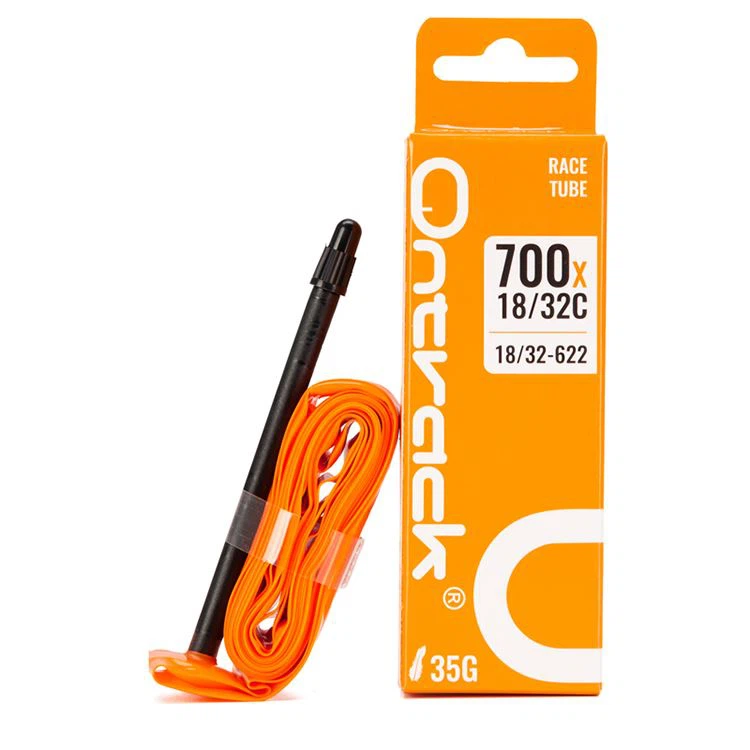
If you're interested in purchasing Ultralight TPU Inner Tube or TPU Bicycle Inner Tubes, please feel free to contact us for more information. We're always happy to discuss your specific requirements and provide you with a quote.

References
- "Thermoplastic Polyurethane (TPU): Properties, Processing, and Applications" by John A. Manson and Leslie H. Sperling
- "Extrusion: The Definitive Processing Guide and Handbook" by Christopher Rauwendaal
- "Bicycle Technology" by Frank Berto