Hey there, cycling enthusiasts! As a supplier of TPU bicycle tubes, I've had my fair share of questions about these nifty little components. One question that pops up quite often is, "What is the stiffness of TPU bicycle tubes?" Well, buckle up (or should I say, pump up your tires), because we're about to dive deep into the world of TPU tube stiffness.
What's TPU Anyway?
Before we get into stiffness, let's quickly talk about TPU. TPU stands for Thermoplastic Polyurethane. It's a type of plastic that's known for being super flexible, durable, and lightweight. These qualities make it a great material for bicycle tubes. Unlike traditional rubber tubes, TPU tubes are more resistant to punctures and can withstand a lot of wear and tear.
Understanding Stiffness in Bicycle Tubes
Stiffness in bicycle tubes is all about how much the tube resists deformation when pressure is applied. Think of it like this: when you're riding your bike, the weight of you and the bike itself puts pressure on the tubes. A stiffer tube will keep its shape better under this pressure, while a less stiff tube might deform more easily.
There are a few factors that can affect the stiffness of TPU bicycle tubes. One of the main ones is the thickness of the tube. Thicker tubes tend to be stiffer because they have more material to resist deformation. However, thicker tubes are also heavier, which can be a drawback for some cyclists who are looking for a lightweight setup.
Another factor is the manufacturing process. Different manufacturers might use different techniques to make their TPU tubes, which can result in variations in stiffness. For example, some manufacturers might use a special heat treatment process to make the tubes more rigid.
Benefits of Stiff TPU Bicycle Tubes
So, why would you want a stiff TPU bicycle tube? Well, there are a few reasons. First of all, a stiffer tube can provide better handling. When the tube keeps its shape better under pressure, it can help your bike track more smoothly on the road or trail. This can be especially important for high-speed riding or when you're making quick turns.
Stiff tubes can also be more efficient. When the tube doesn't deform as much, it can reduce rolling resistance. Rolling resistance is the force that opposes the motion of your bike as it rolls along the ground. By reducing rolling resistance, you can save energy and go faster with less effort.
In addition, stiff TPU tubes are often more durable. They can withstand more pressure and abuse without getting damaged. This means you'll have to replace your tubes less often, which can save you money in the long run.
Drawbacks of Stiff TPU Bicycle Tubes
Of course, there are also some drawbacks to using stiff TPU bicycle tubes. One of the main ones is the weight. As I mentioned earlier, thicker tubes tend to be stiffer, but they're also heavier. If you're a competitive cyclist or someone who likes to climb hills, a heavier tube might not be the best choice for you.
Another drawback is the ride quality. Stiffer tubes can transmit more vibrations from the road or trail to your bike and your body. This can make for a less comfortable ride, especially on rough surfaces.
Finding the Right Stiffness for You
So, how do you find the right stiffness for your TPU bicycle tubes? Well, it really depends on your riding style and preferences. If you're a casual cyclist who likes to take leisurely rides on smooth roads, a less stiff tube might be a good choice. It will provide a more comfortable ride and won't add too much weight to your bike.
On the other hand, if you're a serious cyclist who likes to go fast and push your limits, a stiffer tube might be better. It will give you better handling and efficiency, which can help you perform at your best.
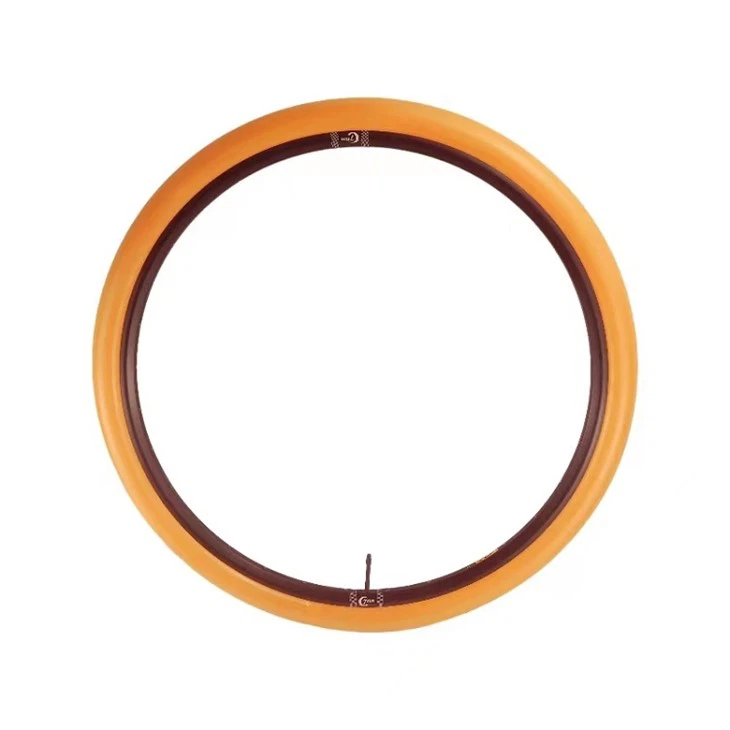
At our company, we offer a range of TPU bicycle tubes with different levels of stiffness. Whether you're looking for an Ultralight TPU Inner Tube for a lightweight setup or a TPU Bicycle Inner Tubes with more stiffness for better performance, we've got you covered.

How We Test Stiffness
We take the stiffness of our TPU bicycle tubes very seriously. That's why we use a variety of testing methods to ensure that our tubes meet the highest standards. One of the tests we use is the compression test. In this test, we apply a specific amount of pressure to the tube and measure how much it deforms. The less the tube deforms, the stiffer it is.
We also test our tubes for durability and puncture resistance. We want to make sure that our tubes can withstand the rigors of everyday riding and keep you rolling smoothly for miles to come.
Conclusion
So, there you have it! That's a brief overview of the stiffness of TPU bicycle tubes. As you can see, stiffness is an important factor to consider when choosing a tube for your bike. It can affect your handling, efficiency, and ride quality.
If you're interested in learning more about our TPU bicycle tubes or if you have any questions about stiffness or any other aspect of our products, please don't hesitate to contact us. We'd love to help you find the perfect tube for your needs. Whether you're a beginner cyclist or a seasoned pro, we've got the products and expertise to keep you rolling. So, what are you waiting for? Get in touch with us today and let's start your next cycling adventure together!
References
- Smith, J. (2020). The Science of Bicycle Tubes. Cycling Magazine.
- Johnson, A. (2019). Understanding TPU Materials in Bicycle Components. Materials Science Journal.
- Brown, C. (2021). The Impact of Tube Stiffness on Bicycle Performance. Cycling Research Report.