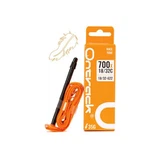
When it comes to mountain biking, having the right equipment can make all the difference in your riding experience. One crucial component that often goes overlooked is the tubeless valve. As a leading supplier of Bicycle Tubeless Valve, I've had the opportunity to work with a wide range of tubeless valves and understand the unique needs of mountain bikers. In this blog post, I'll discuss the different types of bicycle tubeless valves available for mountain bikes and help you determine which one is better suited for your riding style and preferences.
Understanding Tubeless Valves
Before we dive into the different types of tubeless valves, let's first understand what they are and why they're important. Tubeless valves are a key part of a tubeless tire setup, which eliminates the need for an inner tube. Instead, the tire is sealed directly to the rim, creating an airtight chamber. The tubeless valve is responsible for inflating and deflating the tire, as well as maintaining the air pressure.
One of the main advantages of a tubeless tire setup is reduced risk of flats. Without an inner tube, there's less chance of pinch flats or punctures caused by sharp objects on the trail. Tubeless tires also allow for lower tire pressures, which can improve traction and handling, especially on rough terrain. Additionally, tubeless setups can be more comfortable to ride, as they absorb more of the bumps and vibrations from the trail.
Types of Tubeless Valves
There are several types of tubeless valves available for mountain bikes, each with its own unique features and benefits. Here are some of the most common types:
Presta Valves
Presta valves are the most common type of valve used in high-performance bicycles, including mountain bikes. They're characterized by their long, thin design and a small threaded tip at the top. Presta valves are typically used with high-pressure tires, as they can handle pressures up to 120 psi or more.
One of the main advantages of Presta valves is their narrow design, which allows for a smaller hole in the rim. This makes them a popular choice for lightweight rims, as it reduces the amount of material removed from the rim. Presta valves also have a smaller diameter than Schrader valves, which can make them easier to install and remove from the rim.
Another benefit of Presta valves is their ability to hold air pressure better than Schrader valves. The small threaded tip at the top of the valve can be tightened to create a more secure seal, which helps prevent air from leaking out of the tire. This makes Presta valves a good choice for riders who want to maintain consistent tire pressure over long rides.
However, Presta valves do have some drawbacks. They require a special pump or adapter to inflate, as most standard bike pumps are designed for Schrader valves. Additionally, the small size of the valve can make it more difficult to install and remove from the rim, especially if you're using a tight-fitting tire.
Schrader Valves
Schrader valves are the most common type of valve used in car tires and some lower-end bicycles. They're characterized by their wider, shorter design and a spring-loaded valve at the center. Schrader valves are typically used with low-pressure tires, as they can handle pressures up to 60 psi or less.
One of the main advantages of Schrader valves is their simplicity and ease of use. They can be inflated with a standard bike pump or any other pump that's designed for car tires. Additionally, the wider diameter of the valve makes it easier to install and remove from the rim, especially if you're using a tight-fitting tire.
Another benefit of Schrader valves is their availability. They're widely used in many different types of vehicles, so they're easy to find at most bike shops and automotive stores. This makes them a good choice for riders who want a valve that's easy to replace if it gets damaged or lost.
However, Schrader valves do have some drawbacks. They're typically larger and heavier than Presta valves, which can add weight to your bike. They also have a larger diameter than Presta valves, which requires a larger hole in the rim. This can make them a less popular choice for lightweight rims, as it removes more material from the rim.
Removable Core Valves
Removable core valves are a type of valve that allows you to remove the valve core for easier inflation and deflation. They're available in both Presta and Schrader styles and are commonly used in tubeless tire setups.
One of the main advantages of removable core valves is their convenience. By removing the valve core, you can quickly and easily inflate or deflate the tire without having to worry about the valve stem getting in the way. This can be especially useful when you're adjusting tire pressure on the trail or when you're installing a new tire.
Another benefit of removable core valves is their ability to make it easier to add sealant to the tire. With the valve core removed, you can pour the sealant directly into the valve stem and then reinstall the core. This helps ensure that the sealant is evenly distributed throughout the tire, which can improve its effectiveness at sealing punctures.
However, removable core valves do have some drawbacks. They're typically more expensive than standard valves, as they require a more complex design. Additionally, the valve core can be easily lost or damaged, which can make it difficult to inflate or deflate the tire.
Tubeless Ready Valves
Tubeless ready valves are a type of valve that's specifically designed for use with tubeless-ready rims and tires. They're typically made from lightweight materials, such as aluminum or carbon fiber, and are designed to be compatible with a wide range of tire pressures.
One of the main advantages of tubeless ready valves is their compatibility with tubeless-ready rims and tires. They're designed to work seamlessly with these components, which helps ensure a proper seal and prevent air from leaking out of the tire. Additionally, tubeless ready valves are typically lighter and more durable than standard valves, which can improve the overall performance of your bike.
Another benefit of tubeless ready valves is their ability to handle a wide range of tire pressures. They're designed to work with both high-pressure and low-pressure tires, which makes them a versatile choice for mountain bikers who ride on different types of terrain.
However, tubeless ready valves do have some drawbacks. They're typically more expensive than standard valves, as they require a more complex design. Additionally, they may not be compatible with all types of rims and tires, so it's important to check the manufacturer's specifications before purchasing.
Which Type of Tubeless Valve is Better?
So, which type of tubeless valve is better for mountain bikes? The answer depends on several factors, including your riding style, the type of terrain you ride on, and your personal preferences. Here are some things to consider when choosing a tubeless valve:
Riding Style
If you're a cross-country rider who values speed and efficiency, a Presta valve may be the best choice for you. Presta valves are lightweight and can handle high pressures, which makes them a good choice for riders who want to maintain consistent tire pressure over long rides.
On the other hand, if you're a downhill or enduro rider who values traction and control, a Schrader valve may be a better option. Schrader valves are more forgiving when it comes to tire pressure, as they can handle lower pressures without losing air. This makes them a good choice for riders who want to run lower tire pressures for better traction on rough terrain.


Terrain
The type of terrain you ride on can also influence your choice of tubeless valve. If you ride on mostly smooth, hard-packed trails, a Presta valve may be sufficient. However, if you ride on rough, rocky terrain, a Schrader valve or a tubeless ready valve may be a better choice. These valves are more durable and can handle the increased stress and vibration of rough terrain.
Personal Preferences
Ultimately, the choice of tubeless valve comes down to personal preference. Some riders prefer the simplicity and ease of use of Schrader valves, while others prefer the high-performance and air-holding capabilities of Presta valves. It's important to try out different types of valves and see which one works best for you.
Conclusion
Choosing the right tubeless valve for your mountain bike is an important decision that can have a significant impact on your riding experience. By understanding the different types of tubeless valves available and considering your riding style, the type of terrain you ride on, and your personal preferences, you can make an informed decision and choose the valve that's best suited for your needs.
As a supplier of Bicycle Tubeless Valve, I'm committed to providing high-quality products and excellent customer service. If you have any questions or need help choosing the right tubeless valve for your mountain bike, please don't hesitate to contact me. I'd be happy to assist you in finding the perfect valve for your needs.
If you're interested in purchasing tubeless valves for your mountain bike, I encourage you to reach out to me to discuss your options and get a quote. I offer a wide range of tubeless valves at competitive prices, and I'm confident that I can provide you with the products and service you need to enhance your riding experience.
References
- "Bicycle Valve Types: Schrader vs. Presta." Park Tool Company.
- "Tubeless Tire Setup Guide." SRAM.
- "Choosing the Right Tubeless Valve." Shimano.