1. Check Wear and Tear
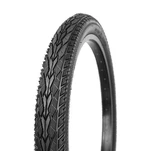
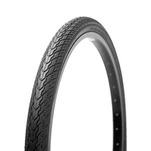
One of the most obvious signs that it's time to change your bike tyres is when they start to show visible wear and tear. This can include flat spots, cracks in the tread or sidewalls, or thinning of the tread. If you notice any of these issues, it's time to replace your tyres.
2. Know the tyre's age
Even if your tyres don't show any visible wear and tear, it's still a good idea to replace them every few years. Over time, tyres can dry out and become brittle, which can make them more prone to punctures and other damage. As a general rule of thumb, it's a good idea to replace your tyres every three to five years, depending on how much you ride. Additionally, you should also remember to do your two-wheeler insurance renewal at the right time to tackle unexpected situations in the future.
3. Evaluate performance
If you notice that your bike isn't performing as well as it used to, it might be time to change your tyres. Worn tyres can affect your bike's traction, handling, and overall performance. If you feel like your bike is slipping or sliding more than usual, or if it's not cornering as well as it used to, it might be time to replace your tyres.
4. Check how often you get punctures
If you're constantly getting flat tyres, it might be time to replace your tyres. While it's normal to get a flat tyre every once in a while, if you're getting them frequently, it could be a sign that your tyres are worn out and more prone to punctures. Additionally, it would be helpful to have a good motor insurance plan with road assistance coverage in case your bike ends up having a flat tyre while you're travelling.
5. See where you ride often
The type of riding you do can also affect how often you need to change your tyres. For example, if you do a lot of off-road riding, you might need to replace your tyres more often due to the rough terrain. On the other hand, if you mostly ride on smooth roads, your tyres might last longer.
6. Know the weight of your bike
The weight of the bike can also play a role in when to change the bike's tyres. If you have a heavier bike, your tyres will wear out faster due to the increased stress on them. In this case, you might need to replace your tyres more often. Ensuring proper maintenance of your bike also makes you favourable as a policyholder in the eyes of your bike insurance provider.