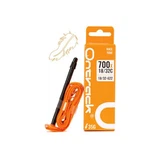
Are there any special maintenance requirements for bicycle tyre liners?
As a supplier of bicycle tyre liners, I've encountered numerous inquiries from cyclists and bike enthusiasts about the maintenance of these essential components. Bicycle tyre liners play a crucial role in protecting the inner tube from punctures caused by sharp objects on the road, such as glass shards, thorns, or metal fragments. They act as an additional layer of defense between the tyre and the inner tube, enhancing the overall durability and reliability of the bike's wheels. In this blog post, I'll delve into the special maintenance requirements for bicycle tyre liners, offering insights and practical tips to ensure their optimal performance and longevity.
Understanding the Basics of Bicycle Tyre Liners
Before we discuss maintenance, it's important to understand the different types of bicycle tyre liners available on the market. The most common materials used for tyre liners are PVC and nylon. Bicycle PVC Rim Tape is known for its flexibility and affordability, making it a popular choice for casual cyclists. On the other hand, Bicycle Nylon Rim Tape is more durable and resistant to abrasion, making it suitable for more demanding riding conditions, such as mountain biking or long-distance touring. Bicycle Tyre Liner can also vary in thickness and width, depending on the specific needs of the bike and the rider.
General Maintenance Tips
Regardless of the type of tyre liner you use, there are some general maintenance tips that apply to all. First and foremost, it's important to regularly inspect your tyre liners for any signs of wear and tear. Look for cuts, tears, or holes in the liner, as these can compromise its effectiveness in preventing punctures. If you notice any damage, it's recommended to replace the liner as soon as possible to avoid potential flats.
Another important aspect of maintenance is keeping your tyre liners clean. Over time, dirt, grime, and debris can accumulate on the surface of the liner, which can reduce its ability to protect the inner tube. To clean your tyre liners, simply remove them from the tyre and wash them with mild soap and water. Rinse them thoroughly and allow them to dry completely before reinstalling them.
In addition to regular cleaning, it's also important to lubricate your tyre liners periodically. Lubrication helps to reduce friction between the liner and the inner tube, which can prevent premature wear and tear. You can use a silicone-based lubricant or a dry lubricant specifically designed for bicycle components. Apply the lubricant to the surface of the liner and spread it evenly using a clean cloth.


Special Considerations for Different Riding Conditions
The maintenance requirements for bicycle tyre liners can vary depending on the type of riding you do. For example, if you frequently ride on rough or uneven terrain, such as gravel roads or mountain trails, your tyre liners are likely to experience more wear and tear than if you ride on smooth pavement. In this case, it's important to inspect your liners more frequently and replace them more often to ensure optimal performance.
If you live in an area with extreme weather conditions, such as hot summers or cold winters, you may also need to take special precautions to protect your tyre liners. In hot weather, the heat can cause the liner to expand and become more prone to damage. To prevent this, it's important to keep your bike in a cool, shaded place when not in use and to avoid over-inflating your tyres. In cold weather, the cold can cause the liner to become brittle and crack. To prevent this, it's important to store your bike in a warm, dry place and to use a tyre liner that is designed to withstand cold temperatures.
Troubleshooting Common Problems
Even with proper maintenance, you may still encounter some common problems with your bicycle tyre liners. One of the most common problems is a puncture in the liner itself. If you notice a puncture in your liner, it's important to replace it as soon as possible to prevent further damage to the inner tube. You can also try to repair the puncture using a patch kit specifically designed for bicycle tyre liners.
Another common problem is a misalignment of the liner. If the liner is not properly aligned with the tyre, it can cause the inner tube to rub against the edge of the liner, which can lead to premature wear and tear. To fix this problem, simply remove the liner and reposition it so that it is centered within the tyre. Make sure that the liner is evenly spaced around the circumference of the tyre and that there are no wrinkles or folds.
Conclusion
In conclusion, bicycle tyre liners are an important component of your bike that require regular maintenance to ensure optimal performance and longevity. By following the tips and guidelines outlined in this blog post, you can keep your tyre liners in good condition and prevent flats and other problems. Remember to inspect your liners regularly, keep them clean and lubricated, and take special precautions when riding in different conditions. If you have any questions or concerns about the maintenance of your bicycle tyre liners, please don't hesitate to contact us. We're here to help you keep your bike in top shape and enjoy a safe and comfortable ride.
If you're interested in purchasing high-quality bicycle tyre liners, please feel free to contact us. We offer a wide range of tyre liners made from the finest materials and designed to meet the needs of cyclists of all levels. Our experienced team can help you choose the right liner for your bike and provide you with expert advice on installation and maintenance. Contact us today to learn more about our products and services and to start enjoying the benefits of a puncture-free ride.
References
- Bicycle Maintenance Manuals
- Manufacturer's Recommendations for Bicycle Tyre Liners
- Cycling Magazines and Online Resources