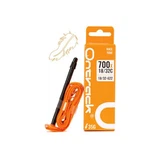
Hey there, fellow cycling enthusiasts! As a supplier of butyl bicycle tubes, I've seen firsthand how important it is to have the right tube and know how to install it properly. In this blog post, I'm gonna walk you through the step-by-step process of installing butyl bicycle tubes. Whether you're a seasoned cyclist or just getting started, this guide will help you get the job done right.
Why Choose Butyl Bicycle Tubes?
Before we dive into the installation process, let's talk a bit about why butyl bicycle tubes are a great choice. Butyl rubber is known for its excellent air retention properties. That means you won't have to pump up your tires as often compared to other types of tubes. They're also pretty durable and can withstand a fair amount of wear and tear. Plus, they're compatible with most standard bicycle rims and tires.
What You'll Need
To install a butyl bicycle tube, you'll need the following tools and materials:
- A butyl bicycle tube that matches the size of your tire. You can check out our 27.5 Bicycle Tube, 29 Inch Bicycle Inner Tubes, or Bicycle Butyl Tube for the right fit.
- A tire lever (usually a set of two or three is best).
- A pump to inflate the tube.
- A patch kit (just in case you have a flat later).
Step 1: Remove the Wheel
First things first, you gotta take the wheel off the bike. If it's a front wheel, loosen the quick-release skewer or the nuts on the axle. For a rear wheel, you might also need to shift the chain to the smallest cog to make it easier to remove. Once the wheel is off, lay it on a flat surface.
Step 2: Deflate the Tire
Use the valve cap to open the valve on the tube and let all the air out. You can press down on the valve core with a small tool or even your finger to speed up the process.
Step 3: Remove the Tire
Here's where the tire levers come in handy. Start by inserting one tire lever under the edge of the tire bead at a point opposite the valve stem. Hook the lever onto the rim and gently pry the tire bead up and over the rim. Then, insert a second tire lever a few inches away from the first one and do the same thing. Work your way around the wheel, using the levers to lift the tire bead off the rim. Once you've gone about halfway around, you should be able to use your hands to finish removing the tire from the rim.
Step 4: Inspect the Tire and Rim
While the tire is off, take a good look at both the tire and the rim. Check the tire for any cuts, punctures, or foreign objects that might have caused the flat. Also, inspect the rim for any sharp edges or damage that could puncture the new tube. If you find any issues, address them before installing the new tube.
Step 5: Install the New Tube
Before you put the new tube in, give it a quick once-over to make sure it's in good condition. Then, start by inserting the valve stem of the tube through the valve hole in the rim. Make sure the tube is lying flat inside the tire. Next, carefully tuck one side of the tire bead back onto the rim, starting at a point opposite the valve stem. Use your hands to work the tire bead onto the rim, making sure the tube doesn't get pinched. Once you've got about half of the tire bead on the rim, start using the tire levers to finish the job. Be careful not to pinch the tube with the levers.
Step 6: Inflate the Tube
Once the tire is back on the rim, it's time to inflate the tube. Use your pump to add a little air to the tube, just enough to give it some shape. As you inflate the tube, use your hands to work the tire into place and make sure it's evenly seated on the rim. Keep adding air until the tire reaches the recommended pressure. You can usually find the recommended pressure on the sidewall of the tire.
Step 7: Check the Installation
After you've inflated the tube, give the tire a good spin and check to make sure it's rotating smoothly. Also, check the tire pressure again to make sure it's still at the right level. If everything looks good, you're ready to put the wheel back on the bike.
Step 8: Reinstall the Wheel
Put the wheel back on the bike and tighten the quick-release skewer or the nuts on the axle. Make sure the wheel is centered and spins freely. If it's a rear wheel, shift the chain back to the appropriate gear.
Tips and Tricks
- Lubricate the tire bead and the tube with a little bit of soapy water before installing them. This will make it easier to get the tire on the rim and reduce the risk of pinching the tube.
- If you're having trouble getting the tire bead back on the rim, try using a third tire lever or asking a friend for help.
- When inflating the tube, don't overdo it. Overinflating the tire can cause it to burst or make the ride uncomfortable.
Conclusion
Installing a butyl bicycle tube isn't as hard as it might seem. With the right tools and a little bit of patience, you can do it yourself in no time. And remember, if you ever have any questions or need help choosing the right tube for your bike, we're here to assist you.
If you're interested in purchasing butyl bicycle tubes for your bikes, we'd love to have a chat with you. Whether you're a retailer looking to stock up or an individual cyclist in need of a reliable tube, we can offer you high-quality products at competitive prices. Reach out to us to start a procurement discussion.


References
- Bicycle repair manuals from major cycling brands.
- Online cycling forums and communities.