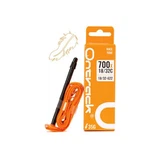
Hey there, fellow cycling enthusiasts! As a supplier of Bicycle Tubeless Valve, I've been getting a lot of questions lately about whether bicycle tubeless valves require maintenance. So, I thought I'd dive into this topic and share my insights with you all.
First off, let's understand what a bicycle tubeless valve is. It's a crucial component in a tubeless tire setup. Instead of using an inner tube to hold the air, the tire forms an airtight seal with the rim, and the tubeless valve is what you use to inflate and deflate the tire. It's a nifty little piece of equipment that has revolutionized the cycling world, offering benefits like lower rolling resistance, better traction, and the ability to run lower tire pressures without the risk of pinch flats.
Now, to answer the big question: do they require maintenance? The short answer is yes, but the level of maintenance is relatively low compared to other parts of your bike.
Why Maintenance is Necessary
One of the main reasons tubeless valves need some attention is to ensure they remain airtight. Over time, the rubber seal on the valve can wear out, especially if you're constantly removing and reinstalling the valve cap or if you're using a high - pressure air pump. A leaky valve can lead to slow air loss, which means you'll have to inflate your tires more often. And let's face it, nobody wants to be constantly reaching for the pump.
Another reason is the buildup of dirt and debris. When you're out on the trails or roads, your bike is exposed to all sorts of grime. This dirt can get into the valve and cause blockages, making it difficult to inflate or deflate your tires properly.
Types of Maintenance
Regular Inspections
I recommend giving your tubeless valves a quick inspection every few rides. Check for any visible signs of damage, like cracks in the rubber or bent valve stems. If you notice any issues, it's best to replace the valve right away. A damaged valve can not only lead to air leaks but also pose a safety risk if it fails while you're riding.
Cleaning
Cleaning your tubeless valves is a simple but effective maintenance task. You can use a soft brush or a cloth to gently wipe away any dirt or debris from the valve stem and the valve cap. If there's stubborn grime, you can use a mild soap and water solution, but make sure to dry the valve thoroughly afterward. This will help keep the valve functioning smoothly and prevent blockages.
Valve Core Maintenance
The valve core is the small, threaded part inside the valve that controls the flow of air. Over time, the valve core can become clogged or worn out. You can remove the valve core using a valve core tool (which is relatively inexpensive and easy to find) and clean it with a small brush or compressed air. If the valve core is damaged, you can replace it with a new one. This is a quick and inexpensive fix that can make a big difference in the performance of your tubeless valve.


Tightening
Periodically, you should check the tightness of the valve nut on the inside of the rim. Vibration from riding can cause the nut to loosen over time, which can lead to air leaks. Use a valve wrench to gently tighten the nut, but be careful not to overtighten it, as this can damage the valve or the rim.
How Often Should You Do Maintenance?
The frequency of maintenance depends on how often you ride and the conditions you ride in. If you're an avid cyclist who rides several times a week on rough terrain, you may need to do more frequent maintenance. I'd suggest inspecting your valves after every 5 - 10 rides and doing a more thorough cleaning and valve core check every month or so.
On the other hand, if you're a casual rider who only takes your bike out on weekends for a leisurely ride on paved roads, you can get away with less frequent maintenance. A quarterly inspection and cleaning should be sufficient in this case.
The Benefits of Proper Maintenance
Properly maintaining your bicycle tubeless valves has several benefits. Firstly, it ensures that your tires stay properly inflated, which improves your riding performance. You'll have better traction, lower rolling resistance, and a more comfortable ride.
Secondly, it extends the lifespan of your tubeless valves. By taking care of them, you won't have to replace them as often, which can save you money in the long run.
Finally, it gives you peace of mind. Knowing that your tubeless valves are in good condition means you can focus on enjoying your ride without worrying about sudden air leaks or valve failures.
Conclusion
So, to sum it up, yes, bicycle tubeless valves do require maintenance, but it's not a huge hassle. With a little bit of regular attention, you can keep your valves in top shape and enjoy all the benefits of a tubeless tire setup.
If you're in the market for high - quality bicycle tubeless valves, look no further. As a supplier, I offer a wide range of Bicycle Tubeless Valve options to suit different needs and budgets. Whether you're a professional cyclist or a weekend warrior, I've got the right valve for you.
If you have any questions or are interested in purchasing our tubeless valves, feel free to reach out. I'm always happy to help and discuss your specific requirements. Let's work together to keep your bikes rolling smoothly!
References
- Bicycle Mechanics Handbook, 3rd Edition
- Cycling Maintenance Guide by Cycling Weekly