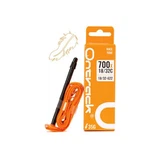
Hey there, fellow cycling enthusiasts! As a supplier of Bicycle Tubeless Valve, I've seen my fair share of folks running into issues when using these nifty little components. Tubeless valves are a game-changer for cyclists, offering better performance and fewer flats. But like any piece of tech, there are some common mistakes that can trip you up. Let's dive into what these are and how you can avoid them.
1. Incorrect Valve Selection
One of the most basic yet crucial mistakes is choosing the wrong tubeless valve for your setup. Tubeless valves come in different lengths, diameters, and materials, and picking the right one is essential for a proper fit.
Length Matters
If you've got a deep-section rim, you'll need a longer valve to ensure it protrudes enough from the rim for you to attach the pump or sealant injector. Using a valve that's too short can make it a real pain to inflate your tire and add sealant. On the flip side, a valve that's too long can get in the way and might even break off if it catches on something.
Diameter and Compatibility
The diameter of the valve stem also needs to match the valve hole in your rim. A valve that's too thick won't fit through the hole, while one that's too thin can lead to air leaks. Some rims have specific requirements for valve compatibility, so it's always a good idea to check your rim manufacturer's recommendations.
Material Considerations
Valves are typically made from either aluminum or plastic. Aluminum valves are more durable and can handle higher pressures, making them a great choice for high-performance or heavy-duty applications. Plastic valves, on the other hand, are lighter and more affordable, but they may not be as long-lasting. Choosing the wrong material for your riding style and needs can lead to premature wear and potential failures.
2. Poor Installation
Even if you've got the right valve, a shoddy installation can ruin everything. Here are some common installation mistakes to watch out for.


Not Cleaning the Rim
Before installing a tubeless valve, it's crucial to clean the rim thoroughly. Any dirt, grease, or debris on the rim surface can prevent the valve from sealing properly, leading to air leaks. Use a degreaser and a clean cloth to remove any contaminants from the valve hole and the surrounding area.
Incorrect Tightening
Over-tightening or under-tightening the valve can cause problems. If you over-tighten the valve, you can damage the valve stem or the rim. On the other hand, if you don't tighten it enough, the valve can come loose, resulting in air loss. Use a torque wrench or follow the manufacturer's recommended tightening specifications to ensure a proper fit.
Skipping the Sealant
Sealant is an essential part of a tubeless setup. It helps to seal small punctures and leaks, keeping your tire inflated. When installing a tubeless valve, make sure to add the appropriate amount of sealant to your tire. Skipping this step can leave you vulnerable to flats and make it difficult to maintain proper tire pressure.
3. Improper Maintenance
Once your tubeless valve is installed, it's important to keep it in good condition. Neglecting maintenance can lead to a host of problems down the road.
Not Checking for Leaks
Regularly checking for air leaks is crucial for a tubeless setup. You can do this by spraying a soapy water solution on the valve stem and around the base of the valve. If you see bubbles forming, it means there's a leak. Addressing leaks early can prevent more significant issues and keep your tire performing at its best.
Forgetting to Replace the Sealant
Sealant has a limited lifespan, and over time, it can dry out or lose its effectiveness. It's recommended to replace the sealant every few months or as recommended by the manufacturer. Failing to do so can result in reduced puncture protection and increased risk of flats.
Ignoring Valve Wear and Tear
Like any component, tubeless valves can wear out over time. Check your valves regularly for signs of damage, such as cracks, cuts, or excessive wear. If you notice any issues, replace the valve immediately to avoid potential failures.
4. Using the Wrong Tools
Using the right tools for the job can make a big difference when working with tubeless valves. Using improper tools can damage the valve or make the installation process more difficult.
Incorrect Pump
Using a pump that's not designed for tubeless tires can make it challenging to inflate your tire to the proper pressure. Tubeless tires require a higher initial burst of air to seat the tire bead properly. A floor pump with a high-volume chamber or a tubeless-specific air compressor is recommended for the best results.
Improper Sealant Injector
Adding sealant to your tire can be a messy job if you don't have the right tools. Using a dedicated sealant injector can make the process much easier and more precise. Avoid using makeshift tools or pouring sealant directly into the valve, as this can lead to uneven distribution and potential blockages.
5. Not Following Manufacturer Instructions
This may seem like a no-brainer, but you'd be surprised how many people skip reading the manufacturer's instructions. Each tubeless valve is designed differently, and following the specific instructions provided by the manufacturer is essential for proper installation and use.
Installation Guidelines
The manufacturer's instructions will typically include detailed steps on how to install the valve correctly, including any special tools or techniques required. Ignoring these guidelines can result in a faulty installation and potential issues down the road.
Maintenance Recommendations
In addition to installation instructions, the manufacturer may also provide maintenance recommendations for their tubeless valves. This can include information on sealant replacement intervals, valve inspection procedures, and other important tips. Following these recommendations can help extend the life of your valve and keep your tubeless setup in top condition.
Conclusion
Using a bicycle tubeless valve can offer many benefits, but it's important to avoid these common mistakes to ensure a smooth and trouble-free experience. By choosing the right valve, installing it correctly, maintaining it properly, using the right tools, and following the manufacturer's instructions, you can enjoy the advantages of tubeless technology without the headaches.
If you're in the market for high-quality Bicycle Tubeless Valve, look no further. As a trusted supplier, we offer a wide range of tubeless valves to suit your needs. Whether you're a casual rider or a competitive cyclist, we've got the perfect valve for you. Contact us today to discuss your requirements and start enjoying the benefits of tubeless technology.
References
- Various cycling forums and online communities
- Manufacturer's product manuals and specifications