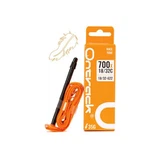
Do butyl bicycle tubes require any pre - installation preparation? This is a question that many cyclists and bike enthusiasts often ask. As a supplier of butyl bicycle tubes, I'm here to provide you with a comprehensive answer based on industry knowledge and practical experience.
Understanding Butyl Bicycle Tubes
Butyl rubber is a popular material for bicycle tubes due to its excellent air - retention properties. Compared to other types of rubber, butyl rubber has a lower permeability to air, which means that your tires will stay inflated for a longer time. This is a significant advantage, especially for long - distance cyclists or those who don't have the time to constantly check and refill their tires.


Our Bicycle Butyl Tube products are made from high - quality butyl rubber, ensuring durability and reliable performance. They are designed to fit a wide range of bicycle tire sizes, including 27.5 Bicycle Tube and 29 Inch Bicycle Inner Tubes.
Pre - installation Preparation
Inspect the Tube
Before installing a butyl bicycle tube, it's crucial to conduct a thorough inspection. Look for any visible signs of damage, such as cuts, punctures, or weak spots. Even a small nick can lead to a slow leak or a sudden blowout while riding. If you find any damage, do not install the tube. Instead, contact us for a replacement. We stand behind the quality of our products and offer a hassle - free return and replacement policy.
Check the Tire and Rim
The condition of the tire and rim also plays a vital role in the proper installation and performance of the butyl tube. Remove the old tube and carefully examine the inside of the tire. Look for any foreign objects, such as glass shards, thorns, or small stones, that could have caused the previous tube to puncture. Remove these objects to prevent them from damaging the new tube.
Inspect the rim as well. Make sure there are no sharp edges or burrs that could cut into the tube. If you notice any rough spots on the rim, you can use sandpaper to smooth them out. Additionally, check the rim tape to ensure it is intact and properly covering the spoke holes. A damaged or misaligned rim tape can cause the tube to be punctured by the spokes.
Lubrication
Lubricating the butyl tube and the inside of the tire can make the installation process much easier and reduce the risk of pinching the tube. You can use a small amount of soapy water or a specialized bicycle tube lubricant. Apply the lubricant to the tube, especially around the valve stem and the outer surface. Also, apply a thin layer of lubricant to the inside of the tire. This will help the tube slide into place smoothly and prevent it from getting stuck or pinched during installation.
Valve Stem Preparation
The valve stem is an important part of the butyl tube. Before installation, make sure the valve stem is in good condition. Check for any signs of damage or leakage around the base of the valve. If the valve cap is missing or damaged, replace it to prevent dirt and debris from entering the valve.
If you are using a Presta valve, you may need to loosen the valve nut slightly to allow air to enter and exit the tube more easily. For Schrader valves, ensure that the valve core is tight and there are no signs of air leakage.
Installation Process
Once you have completed the pre - installation preparation, you can proceed with the installation of the butyl tube. Start by placing the valve stem through the valve hole in the rim. Make sure the valve stem is straight and properly seated.
Next, insert one side of the tube into the tire, starting from the valve stem. Work your way around the tire, gradually pushing the tube into place. Use your hands or a tire lever to help guide the tube into the tire. Be careful not to pinch the tube between the tire and the rim.
After one side of the tube is fully inserted, use the tire lever to carefully install the other side of the tire onto the rim. Start opposite the valve stem and work your way around the tire. Make sure the tire is evenly seated on the rim and there are no bulges or uneven areas.
Finally, inflate the tube to the recommended pressure. Check the sidewall of the tire for the recommended pressure range. Use a reliable tire pressure gauge to ensure that you are inflating the tube to the correct pressure. Over - inflating or under - inflating the tube can affect the performance and safety of your bicycle.
Benefits of Proper Pre - installation Preparation
Proper pre - installation preparation of butyl bicycle tubes offers several benefits. Firstly, it reduces the risk of flats and punctures. By inspecting the tube, tire, and rim, and removing any potential hazards, you can significantly increase the lifespan of the tube.
Secondly, it ensures a smooth and hassle - free installation process. Lubrication and proper valve stem preparation make it easier to install the tube, saving you time and effort.
Finally, it improves the overall performance of your bicycle. A properly installed and inflated butyl tube provides better handling, traction, and comfort while riding.
Conclusion
In conclusion, butyl bicycle tubes do require some pre - installation preparation. By following the steps outlined above, you can ensure a successful installation and enjoy a safe and comfortable ride. As a supplier of high - quality butyl bicycle tubes, we are committed to providing you with the best products and support. If you have any questions or need further assistance with the installation of our Bicycle Butyl Tube, 27.5 Bicycle Tube, or 29 Inch Bicycle Inner Tubes, please don't hesitate to contact us. We are always here to help you with your bicycle tube needs. Whether you are a professional cyclist or a casual rider, we have the right tube for you. Contact us today to discuss your procurement requirements and start enjoying the benefits of our top - quality butyl bicycle tubes.
References
- "Bicycle Mechanics Manual" - A comprehensive guide to bicycle maintenance and repair.
- Industry research on the properties and performance of butyl rubber in bicycle tubes.
- Customer feedback and practical experience from cyclists who have used our butyl bicycle tubes.