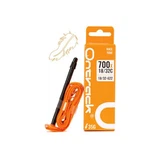
Picking the right size of a bicycle butyl tube is super important, whether you're a casual rider looking to replace a flat tube or a bike enthusiast building a custom ride. As a bicycle butyl tube supplier, I've seen firsthand how choosing the wrong size can lead to all sorts of problems, from poor performance to safety hazards. In this blog, I'll share some tips on how to select the perfect butyl tube size for your bike.
Understanding Bicycle Tube Sizing
First things first, let's talk about how bicycle tubes are sized. Most tubes are labeled with two main measurements: the diameter of the wheel and the width of the tire. For example, you might see a tube labeled "26 x 1.75 - 2.125". The "26" refers to the wheel diameter in inches, while the "1.75 - 2.125" indicates the range of tire widths the tube is compatible with.
It's crucial to note that these measurements aren't always exact. Different manufacturers may have slight variations in their sizing, so it's a good idea to double - check the specifications. You can usually find the tire size printed on the sidewall of your bike tire. Look for a series of numbers like "26 x 2.0" or "700 x 32c".
Measuring Your Wheel and Tire
If you're not sure about the size of your wheel and tire, don't worry. Measuring them is pretty straightforward.
Wheel Diameter
To measure the wheel diameter, you'll need a tape measure. Start by placing the end of the tape measure at the center of the wheel hub and extend it out to the outer edge of the tire. Make sure you measure across the center of the wheel for an accurate reading.
Common wheel diameters include 20 inches (often found on kids' bikes and some folding bikes), 24 inches (popular for kids' and some women's bikes), 26 inches (a standard size for mountain bikes and many hybrid bikes), 27.5 inches (also known as 650b, which is becoming more common in mountain biking), and 29 inches (used in some mountain bikes for better roll - over ability). Road bikes typically use 700c wheels, which are approximately 28 inches in diameter.
Tire Width
Measuring the tire width is also easy. Use a tape measure to measure the distance across the widest part of the tire. This measurement is usually given in inches or millimeters. For example, a tire with a width of 2 inches might be labeled as "2.0", while a tire with a width of 32 millimeters would be labeled as "32c".
Matching the Tube to Your Tire
Once you've determined the size of your wheel and tire, it's time to find a tube that matches. Here are some general guidelines:
Wheel Diameter
The tube's wheel diameter must match the diameter of your wheel. Using a tube with the wrong diameter can lead to a poor fit. For instance, if you have a 26 - inch wheel and you try to use a 27.5 - inch tube, the tube will be too large and may bunch up inside the tire, causing a bumpy ride or even a blowout.


Tire Width
The tube should also be compatible with the width of your tire. Most tubes are designed to fit a range of tire widths. For example, a tube labeled "26 x 1.75 - 2.125" can be used with tires that have a width between 1.75 inches and 2.125 inches. It's best to choose a tube that has a width range that includes your tire width. If your tire width is right on the edge of the tube's recommended range, it's usually better to go with a tube that can accommodate a slightly wider tire.
Special Considerations
There are a few special cases to keep in mind when choosing a bicycle butyl tube:
Tubeless - Compatible Tires
If you have tubeless - compatible tires, you can still use a butyl tube if you want. However, you need to make sure the tube is designed for use with tubeless tires. These tubes often have a thicker wall to prevent air leakage through the tire's tubeless sealant pores.
High - Pressure Tires
Road bike tires typically require higher pressures than mountain bike tires. When choosing a tube for high - pressure tires, look for a tube that is rated for the appropriate pressure. A tube that can't handle the high pressure may burst, so it's important to check the tube's maximum pressure rating, which is usually printed on the tube itself.
Folding Tubes vs. Non - Folding Tubes
Folding tubes are more convenient to carry because they can be easily folded up and stored in a bike bag or pocket. Non - folding tubes are usually less expensive but take up more space. Both types come in a variety of sizes, so your choice between the two will depend on your personal preferences and needs.
Benefits of Choosing the Right Size Tube
Selecting the correct size of butyl tube has several benefits:
Safety
A properly sized tube fits snugly inside the tire, reducing the risk of pinch flats (when the tube gets pinched between the tire and the rim) and blowouts. This is especially important when riding at high speeds or on rough terrain.
Performance
The right tube size can improve the performance of your bike. A well - fitting tube helps the tire maintain its shape, which can lead to better traction, a smoother ride, and improved handling.
Durability
Using a tube that is the correct size for your tire can extend the life of the tube. A tube that is too small or too large may wear out more quickly due to excessive stretching or bunching.
Conclusion
Choosing the right size of bicycle butyl tube is essential for a safe, comfortable, and enjoyable ride. By understanding how to measure your wheel and tire, and by following the guidelines for matching the tube to your tire, you can make an informed decision.
If you're in the market for a bicycle butyl tube, we have a wide range of sizes and types to choose from. Our tubes are made from high - quality butyl rubber, which offers excellent air retention and durability. Whether you need a 26 - Inch Bicycle Inner Tube for your mountain bike or a 700c tube for your road bike, we've got you covered.
If you have any questions about choosing the right tube size or need more information about our products, feel free to reach out to us. We're always happy to help you make the best choice for your bike. Let's start a conversation about your bicycle butyl tube needs and get you rolling smoothly on the road or trail!
References
- "Bicycle Tires and Tubes: A Guide to Selection and Maintenance" by Cycling World Magazine
- Manufacturer's specifications for bicycle tires and tubes
- Personal experience as a bicycle butyl tube supplier