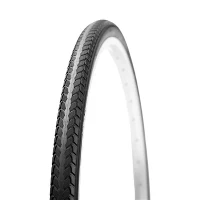
Inflating gravel bicycle tyres correctly is crucial for a smooth, safe, and efficient riding experience. As a supplier of high - quality gravel bicycle tyres, specifically the Gravel Bicycle Tires X - PACK, I'm here to share some in - depth knowledge on how to inflate these tyres properly.
Understanding the Basics of Gravel Bicycle Tyres
Gravel bicycles are designed to handle a variety of terrains, from smooth gravel roads to rough and uneven paths. The tyres play a vital role in this performance. Gravel bicycle tyres typically have a wider profile compared to road bike tyres, which provides better stability and traction on loose surfaces.
The Gravel Bicycle Tires X - PACK, available at Gravel Bicycle Tires X - PACK, is engineered with advanced rubber compounds and tread patterns to offer optimal grip and durability. However, to fully utilize these features, proper inflation is essential.
Importance of Correct Tyre Inflation
- Safety: Under - inflated tyres can increase the risk of pinch flats, where the inner tube gets pinched between the tyre and the rim. This can lead to sudden deflation while riding, which can be extremely dangerous, especially at high speeds or on uneven terrain. On the other hand, over - inflated tyres can reduce traction, making it easier to lose control on slippery or loose surfaces.
- Performance: Correctly inflated tyres roll more efficiently. They reduce rolling resistance, which means you can cover more distance with less effort. This is particularly important for long - distance gravel rides.
- Tyre Lifespan: Proper inflation helps distribute the weight evenly across the tyre. This reduces uneven wear, extending the lifespan of your Gravel Bicycle Tires X - PACK. If a tyre is under - inflated, the edges of the tread will wear out faster, and if it's over - inflated, the center of the tread will bear most of the load, leading to premature wear.
Tools Needed for Inflation
- Pump: A good quality floor pump is the best option for inflating gravel bicycle tyres. It allows you to generate enough pressure quickly and accurately. Look for a pump with a pressure gauge to monitor the inflation pressure.
- Pressure Gauge: If your pump doesn't have a built - in pressure gauge, you'll need a separate one. This is crucial for ensuring you're inflating the tyres to the correct pressure.
- Valve Adapter: Gravel bicycle tyres usually come with either Presta or Schrader valves. If your pump is not compatible with the valve type on your tyres, you'll need an adapter.
Steps to Inflate Gravel Bicycle Tyres Correctly
- Check the Recommended Pressure: Every tyre has a recommended pressure range printed on the sidewall. For the Gravel Bicycle Tires X - PACK, you can find this information on the tyre itself. The recommended pressure can vary depending on factors such as rider weight, terrain, and riding style.
- Prepare the Tyre and Pump: Make sure the tyre is properly seated on the rim. Check for any signs of damage or debris. If you're using a Presta valve, unscrew the small cap at the top of the valve. For a Schrader valve, simply remove the cap.
- Attach the Pump: Connect the pump to the valve. If you're using a Presta valve, you may need to press down on the valve core to allow air to flow. For a Schrader valve, the pump should attach easily.
- Start Inflating: Begin pumping air into the tyre. Keep an eye on the pressure gauge. If you're using a pump without a gauge, periodically check the pressure with a separate gauge.
- Reach the Correct Pressure: Slowly pump until you reach the recommended pressure. It's better to inflate in small increments and check the pressure frequently to avoid over - inflation.
- Check the Tyre: Once you've reached the correct pressure, remove the pump and check the tyre for any signs of bulging or unevenness. Spin the wheel to make sure the tyre is running smoothly.
- Replace the Valve Cap: Put the valve cap back on to prevent dust and dirt from entering the valve.
Factors Affecting Tyre Pressure
- Rider Weight: Heavier riders generally need to inflate their tyres to a higher pressure to support the additional weight. Lighter riders can use a lower pressure for a more comfortable ride.
- Terrain: On smooth gravel roads, you can use a higher pressure for better rolling efficiency. On rough or loose terrain, a lower pressure will provide more traction.
- Riding Style: Aggressive riders who like to take corners at high speeds may prefer a higher pressure for better stability. More casual riders may opt for a lower pressure for a smoother ride.
Tips for Maintaining Tyre Pressure
- Regular Checks: Check your tyre pressure at least once a week, especially if you ride frequently. Even a small loss of pressure can affect your riding experience.
- Temperature Changes: Tyre pressure can change with temperature. In cold weather, the pressure will decrease, and in hot weather, it will increase. Adjust the pressure accordingly.
- Before Long Rides: Always check and adjust the tyre pressure before going on a long ride. This will ensure optimal performance and safety throughout the journey.
In conclusion, inflating your gravel bicycle tyres correctly is a simple yet essential task that can significantly enhance your riding experience. The Gravel Bicycle Tires X - PACK, available at Gravel Bicycle Tires X - PACK, is designed to provide excellent performance, but only when inflated properly.
If you're interested in purchasing our high - quality gravel bicycle tyres or have any questions about tyre inflation, feel free to contact us for procurement and further discussions. We're committed to providing you with the best products and support for your gravel cycling needs.