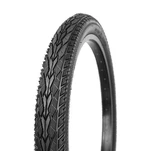
Here's a step-by-step guide on how to pump up bicycle tyres:
1. Gather the necessary equipment
You will need a bicycle pump. There are different types such as floor pumps and hand pumps. Floor pumps are generally more efficient and easier to use as they can generate higher pressure with less effort. Hand pumps are more portable.
Make sure the pump has a valve adapter that is compatible with your bicycle tyre valve. There are two main types of valves: Presta and Schrader. Presta valves are thinner and have a locking nut at the top. Schrader valves are the same type as those found on car tyres.
2. Check the tyre and valve type
Examine your bicycle tyre to identify the type of valve it has. If it's a Presta valve, you may need to unscrew the small locking nut at the top of the valve before you can attach the pump. For a Schrader valve, it's usually ready to be attached directly.
3. Attach the pump to the valve
For a Presta valve:
Loosen the locking nut on the valve.
Press the pump head firmly onto the valve, making sure it's properly seated. Some pump heads have a lever or a clamping mechanism to secure it in place.
For a Schrader valve:
Just push the pump head onto the valve. You should hear a click or feel it lock into place.
4. Start pumping
If you're using a floor pump, stand with your feet on either side of the base for stability. Hold the pump handle and begin to push it up and down. The air will start to flow into the tyre.
With a hand pump, grip it firmly and work the plunger in a pumping motion. It will take more strokes with a hand pump to inflate the tyre compared to a floor pump.
5. Monitor the tyre pressure
Most tyres have a recommended pressure range printed on the sidewall. For example, a road bike tyre might have a recommended pressure between 80 - 130 psi (pounds per square inch), while a mountain bike tyre could be in the range of 30 - 50 psi.
Some pumps come with a pressure gauge. As you pump, keep an eye on the gauge to make sure you don't over - inflate the tyre. If your pump doesn't have a gauge, you can use a separate tyre pressure gauge.
6. Finish up
Once you've reached the desired pressure, for a Presta valve, tighten the locking nut back on.
Detach the pump from the valve by releasing the clamping mechanism or pulling it off gently.
It's a good idea to check your tyre pressure regularly, especially before a long ride, to ensure a smooth and safe cycling experience.
https://www.ontrackcn.com/